
Trump Delays Iran Strikes After Gulf Allies Urge Talks

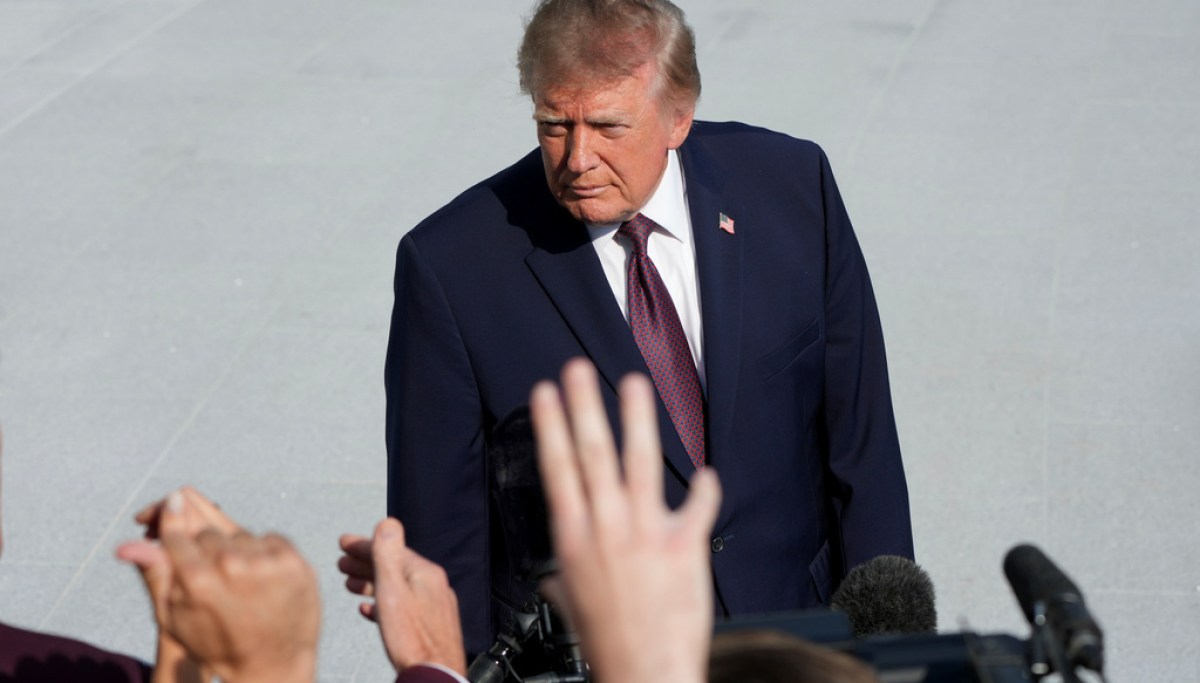
Cover image from aljazeera.com, which was analyzed for this article
Trump delayed planned military action against Iran citing progress in negotiations and appeals from regional leaders. Iran maintains it will not surrender amid ongoing ceasefire talks.
PoliticalOS
Tuesday, May 19, 2026 — Politics
Trump’s postponement reflects pressure from Gulf allies seeking to avoid escalation while core disagreements over Iran’s nuclear program remain unresolved. The outcome hinges on whether the latest Iranian proposal can bridge those gaps before military options are reconsidered.
What outlets missed
Most coverage omitted recent IAEA assessments of Iranian nuclear activities and the specific sequence of Iranian attacks on shipping and U.S. assets that preceded the latest U.S. threats. Details on Iranian support for proxy operations against American and Israeli targets also received little attention. The precise content of the 14-point proposal submitted through Pakistan could not be independently verified by multiple outlets.
Rising energy costs and the risk of wider conflict in the Middle East gave fresh urgency to President Donald Trump’s decision to postpone planned strikes on Iran. Gulf leaders pressed for time to pursue a deal that would remove Iran’s nuclear weapons threat without immediate military action.
Trump announced the pause on Truth Social after receiving requests from the leaders of Qatar, Saudi Arabia and the United Arab Emirates. He stated that serious negotiations were under way and that a deal acceptable to the United States could be reached. At the same time he directed the Pentagon to remain ready for a large-scale assault if talks fail.
Iran responded through its president and state media. Masoud Pezeshkian said dialogue does not equal surrender and that Tehran would enter talks while preserving national rights. Iranian state outlets reported a revised 14-point proposal delivered via Pakistani mediators, though the status of core disputes over uranium enrichment limits and control of the Strait of Hormuz remained unclear.
Hostilities in the region continued on other fronts. Israeli strikes in Lebanon have killed more than 3,000 people since March, according to Lebanese health authorities, even after a U.S.-brokered ceasefire extension. The Islamic Revolutionary Guard Corps claimed strikes against armed groups near the Iraqi border and signaled possible new restrictions on subsea cables in the Strait of Hormuz.
U.S. Treasury Secretary Scott Bessent extended a sanctions waiver on Russian oil shipments for 30 days to ease pressure on global energy markets. American officials have not confirmed whether the latest Iranian proposal addresses demands for limits on enrichment or the handover of existing stockpiles.
More in Politics

Federal Agents Search Omar Home in Ongoing Immigration Probe
Homeland Security agents searched the Minnesota Democrat's DC residence in a criminal probe, prompting accusations of political intimidation from Omar and Democratic leaders. Coverage spans left-leaning outlets like NPR, BBC, and The Guardian alongside right-leaning criticism from The Federalist and Daily Wire.

Trump Diesel Import Plan Draws Pushback Over Russia Ties
The weekend agreement drew bipartisan congressional pushback and criticism from Ukraine's Zelenskyy, with analysts downplaying US fuel price impacts. Right-leaning outlets like National Review, Dispatch, and Washington Examiner questioned its legality and effectiveness.

Independents Test Voter Appetite for Middle Ground in 2026 Midterms
Nearly 200 independents are running in competitive races as voters weigh ballot measures on housing costs in states like Massachusetts. Left-leaning coverage from NYT, NPR, and Guardian highlights turnout and key races while right outlets focus on GOP strategy.
Trump Rallies in Alaska, Ohio to Bolster GOP Senate Candidates
The president rallied in Wasilla for Sen. Dan Sullivan and faced empty seats at an Ohio event amid midterm concerns. Outlets across the spectrum covered the trips as signals of GOP vulnerability weeks before Election Day.
The Compass
You just read five takes on one story.
What's your take? Find your political shape in a few minutes.
Take the test