
Trump Warns Iran to 'Get Smart' as Hormuz Stalemate Drives Gas to $4.20
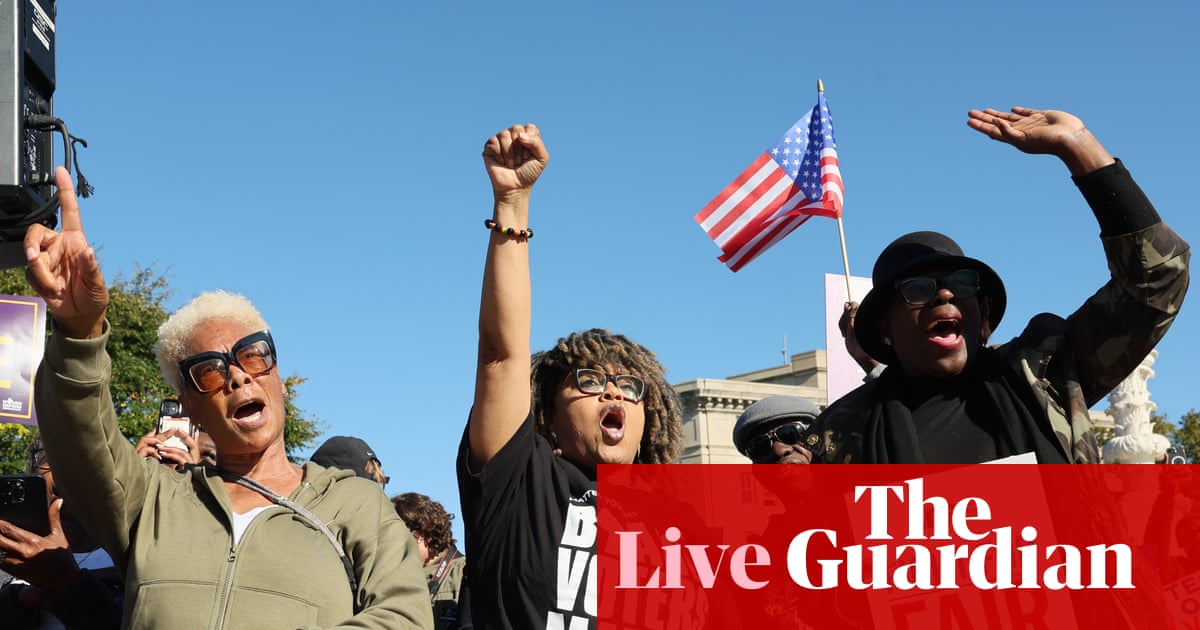
Cover image from theguardian.com, which was analyzed for this article
President Trump posted violent AI images and warned Iran to 'get smart' on a nonnuclear deal as ceasefire holds but talks stall, with new proposal discussed. He huddled with oil execs amid economic disruptions and US sanctions on shadow banking. Global diplomats urge de-escalation while oil markets react to Hormuz tensions.
PoliticalOS
Wednesday, April 29, 2026 — Politics
The single most important reality is that a 61-day-old conflict with no resolution in sight is already raising U.S. gasoline prices above $4.20 a gallon and threatening broader economic damage while nuclear issues remain unresolved. Trump's combination of public threats, an armed AI image, and private meetings with oil executives projects confidence that sustained pressure will deliver a favorable deal, yet Iran's proposal to reopen the strait first and defer enrichment reveals a fundamental impasse. Readers should recognize that both sides have escalated, costs are mounting on all fronts, and the coming weeks of congressional scrutiny and market reaction will determine whether this stalemate ends in diplomacy or wider disruption.
What outlets missed
Most outlets underplayed the mutual escalation timeline: U.S.-Israeli strikes began February 28, Iran's immediate retaliation included missile attacks on Gulf bases and the initial Hormuz closure, and the U.S. naval restrictions on Iranian ports followed on April 13. Few noted the Pakistani-mediated proposal that would reopen the strait in phases while postponing nuclear talks, or the specific maritime incidents including Iran's attacks on three ships and seizures of two. Coverage also largely omitted global diplomatic efforts beyond vague "urging de-escalation," such as specific calls from European and Asian capitals warning that prolonged blockade risks recession and wider instability. The $1 billion-plus U.S. operational costs and potential War Powers Resolution implications after 60 days received scant attention outside partisan commentary.
Drivers filling tanks at prices not seen since 2022 are feeling the first direct hit from a Middle East conflict that refuses to end. On day 61, with a fragile ceasefire in place but nuclear talks stalled, President Trump posted an AI-generated image of himself holding a rifle against a backdrop of explosions and told Iran it had better sign a nonnuclear deal or "get smart soon." The message, which included the phrase "No more Mr. Nice Guy," came hours after he hosted a state dinner for King Charles III and claimed the monarch agreed Iran must never possess a nuclear weapon. Buckingham Palace responded that the king remains committed to longstanding British policy on preventing proliferation.
The central tension is whether economic pain from restricted oil flows through the Strait of Hormuz will force Tehran to accept curbs on its nuclear program before shipping fully resumes, or whether prolonged disruption will instead trigger a global recession, higher inflation, and renewed military choices. Trump huddled with oil and gas executives at the White House on Tuesday, including Chevron CEO Mike Wirth, to discuss domestic production, Venezuela progress, futures markets, natural gas, shipping, and the fallout from what multiple outlets described as an unprecedented supply shock. A White House official told Axios the meetings are routine. Treasury Secretary Scott Bessent, chief of staff Susie Wiles, and envoys Steve Witkoff and Jared Kushner also attended, according to sources familiar with the gathering.
U.S. gasoline averaged $4.18 per gallon Tuesday per AAA, up from pre-war levels and the highest since the conflict began. Brent crude has climbed toward $115 a barrel in some reports, though other tallies placed it lower. The strait, which carries roughly one-fifth to one-quarter of global seaborne oil, has seen sharply reduced traffic. One Japanese tanker crossed Wednesday, but overall volume remains limited. Iran has attacked three commercial vessels and seized two during the standoff; U.S. forces have conducted boardings of their own. The de facto restrictions followed U.S.-Israeli strikes launched February 28 under Operation Epic Fury and Iran's subsequent retaliatory actions, including a blockade that prompted American countermeasures beginning around April 13.
Iran's rial has fallen to record lows near 1.8 million to the dollar. Its economy is losing hundreds of millions daily. Yet analysts note Tehran has shown more resilience than expected, and some warn extended pressure could strengthen hardliners rather than weaken them. A new proposal mediated by Pakistan would reopen the strait in stages while deferring nuclear questions. The U.S. has shown little enthusiasm, insisting any final agreement must prevent Iran from racing toward a weapon. Secretary of State Marco Rubio stated that the nuclear issue lies at the root of the conflict and that Iran seeks to export its revolution across the region. White House spokeswoman Anna Kelly said negotiators remain engaged but that Iran is struggling internally after the initial campaign.
Defense Secretary Pete Hegseth is scheduled to testify before the House Armed Services Committee on the 2027 defense budget request, which seeks $1.5 trillion. Lawmakers from both parties plan to press for details on strategy, costs, and prospects for resolution. Global diplomats have urged de-escalation. Oil markets remain volatile, with U.S. exports of crude and liquefied natural gas gaining from the gap left by disrupted regional supply. Uncertainty hangs over whether sustained high prices will eventually curb demand and slow the very boom some industry players now enjoy.
The picture that emerges is one of tactical pressure meeting strategic deadlock. Trump has said he feels no immediate time pressure and will only accept a deal that puts U.S. national security first. Iran has signaled it wants the strait reopened before addressing enrichment. Between those positions sit rising pump prices, congressional scrutiny, allied discomfort, and the risk that a war meant to neutralize a nuclear threat instead amplifies economic pain worldwide.
More in Politics

Federal Agents Search Omar Home in Ongoing Immigration Probe
Homeland Security agents searched the Minnesota Democrat's DC residence in a criminal probe, prompting accusations of political intimidation from Omar and Democratic leaders. Coverage spans left-leaning outlets like NPR, BBC, and The Guardian alongside right-leaning criticism from The Federalist and Daily Wire.

Trump Diesel Import Plan Draws Pushback Over Russia Ties
The weekend agreement drew bipartisan congressional pushback and criticism from Ukraine's Zelenskyy, with analysts downplaying US fuel price impacts. Right-leaning outlets like National Review, Dispatch, and Washington Examiner questioned its legality and effectiveness.

Independents Test Voter Appetite for Middle Ground in 2026 Midterms
Nearly 200 independents are running in competitive races as voters weigh ballot measures on housing costs in states like Massachusetts. Left-leaning coverage from NYT, NPR, and Guardian highlights turnout and key races while right outlets focus on GOP strategy.
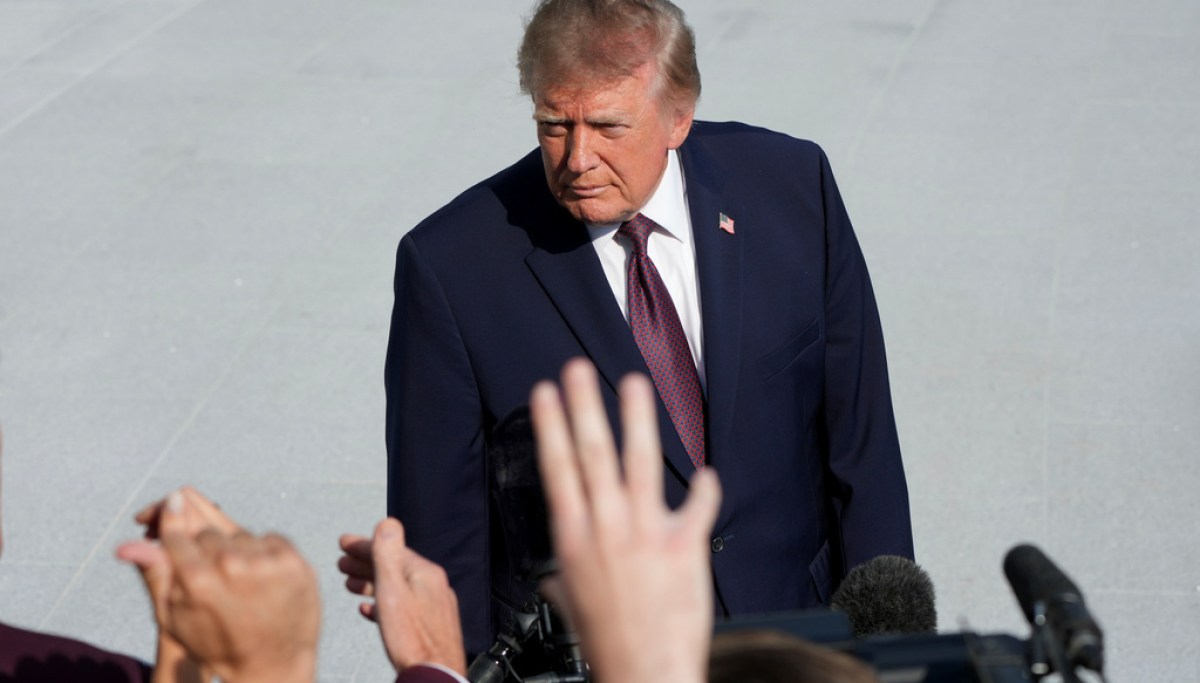
Trump Rallies in Alaska, Ohio to Bolster GOP Senate Candidates
The president rallied in Wasilla for Sen. Dan Sullivan and faced empty seats at an Ohio event amid midterm concerns. Outlets across the spectrum covered the trips as signals of GOP vulnerability weeks before Election Day.
The Compass
You just read five takes on one story.
What's your take? Find your political shape in a few minutes.
Take the test