
Trump DOJ Settlement Creates $1.8 Billion Anti-Weaponization Fund
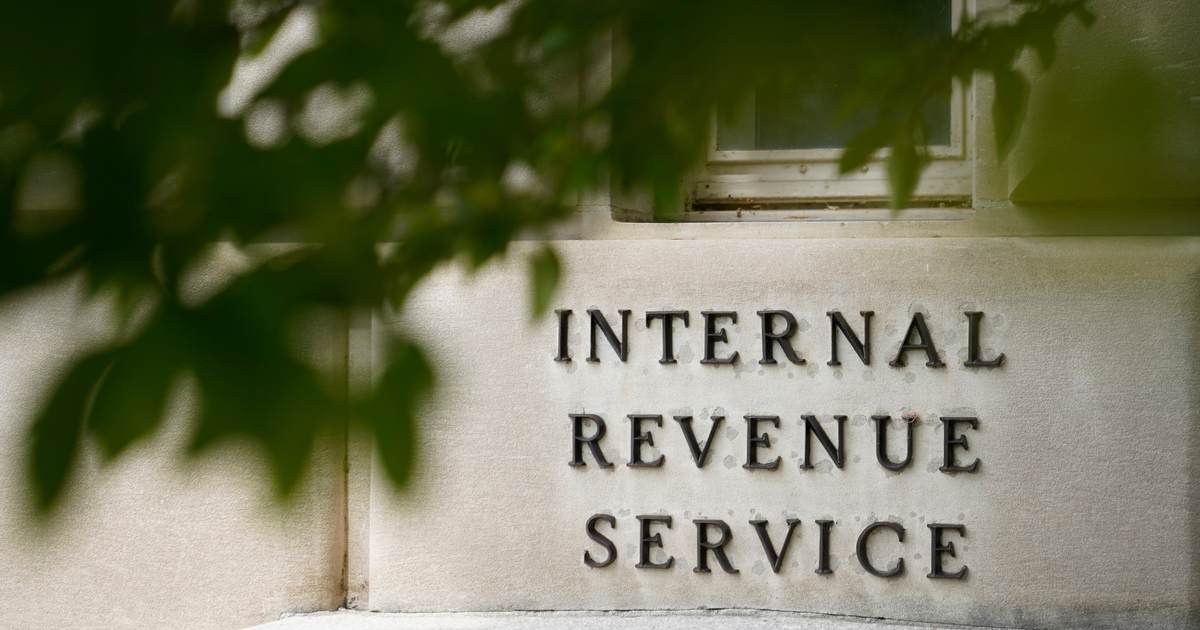
Cover image from redstate.com, which was analyzed for this article
Trump administration moves on IRS enforcement and potential slush funds draw criticism from experts as possibly illegal or corrupt. Bipartisan concerns emerge over taxpayer privacy.
PoliticalOS
Tuesday, May 19, 2026 — Politics
The settlement resolves a high-profile lawsuit by creating a large compensation fund outside standard congressional appropriations channels. Its legality and use will be tested through political oversight and potential court challenges rather than through immediate judicial invalidation.
What outlets missed
Most coverage omitted the settlement’s explicit reversion clause returning unspent funds to the Treasury and the formal apology-only outcome for the Trump plaintiffs. Few outlets detailed the Keepseagle precedent cited by the Justice Department or the absence of partisan eligibility restrictions for claims. Reporting also underplayed the specific procedural path that routes money through the existing Judgment Fund rather than new appropriations.
Taxpayers now face a new $1.8 billion compensation mechanism drawn from the Treasury Judgment Fund, created through a settlement that ends a $10 billion lawsuit filed by President Trump against the IRS over leaked tax returns. The arrangement raises unresolved questions about whether federal settlement authority can be used to establish an entity operating with limited congressional oversight while addressing claims of prior government targeting.
The Justice Department announced the settlement on May 18, 2026. Under its terms, the original lawsuit is dismissed. Plaintiffs receive a formal apology but no direct monetary damages. In exchange, the department establishes the Anti-Weaponization Fund, which will consider claims from individuals alleging improper federal investigations or prosecutions. Any remaining balance reverts to the federal government when the fund closes. The acting attorney general appoints fund administrators, who serve at the discretion of the president.
The original suit stemmed from leaks of Trump family and business tax information during his first term. A former IRS contractor, Charles Littlejohn, was convicted and imprisoned for improperly accessing and disclosing confidential records to media outlets. Trump’s complaint alleged that the IRS and Treasury failed to protect sensitive data, causing reputational and financial harm. The settlement avoids a judicial ruling on whether the suit presented a justiciable controversy between adverse parties.
Legal observers differ sharply on the outcome. Some argue the arrangement exceeds statutory limits on settling claims that lack genuine adversity and effectively creates a discretionary payout vehicle outside normal appropriations processes. Others note precedent for similar funds, including the Keepseagle settlement under the Obama administration that addressed decades of alleged discrimination claims against the Department of Agriculture. Members of Congress have filed briefs questioning the settlement’s validity, though courts have not yet ruled on standing.
Public polling released around the same period showed Trump’s approval rating at 37 percent overall and 33 percent on economic management. Democrats lead Republicans by 11 points in generic House ballot tests. The settlement’s political durability will depend on whether Republican lawmakers treat it as settled policy or subject it to further legislative scrutiny.
More in Politics

Federal Agents Search Omar Home in Ongoing Immigration Probe
Homeland Security agents searched the Minnesota Democrat's DC residence in a criminal probe, prompting accusations of political intimidation from Omar and Democratic leaders. Coverage spans left-leaning outlets like NPR, BBC, and The Guardian alongside right-leaning criticism from The Federalist and Daily Wire.

Trump Diesel Import Plan Draws Pushback Over Russia Ties
The weekend agreement drew bipartisan congressional pushback and criticism from Ukraine's Zelenskyy, with analysts downplaying US fuel price impacts. Right-leaning outlets like National Review, Dispatch, and Washington Examiner questioned its legality and effectiveness.

Independents Test Voter Appetite for Middle Ground in 2026 Midterms
Nearly 200 independents are running in competitive races as voters weigh ballot measures on housing costs in states like Massachusetts. Left-leaning coverage from NYT, NPR, and Guardian highlights turnout and key races while right outlets focus on GOP strategy.
Trump Rallies in Alaska, Ohio to Bolster GOP Senate Candidates
The president rallied in Wasilla for Sen. Dan Sullivan and faced empty seats at an Ohio event amid midterm concerns. Outlets across the spectrum covered the trips as signals of GOP vulnerability weeks before Election Day.
The Compass
You just read five takes on one story.
What's your take? Find your political shape in a few minutes.
Take the test