
Trump DOJ Probes Journalists in Leak and Classified Cases
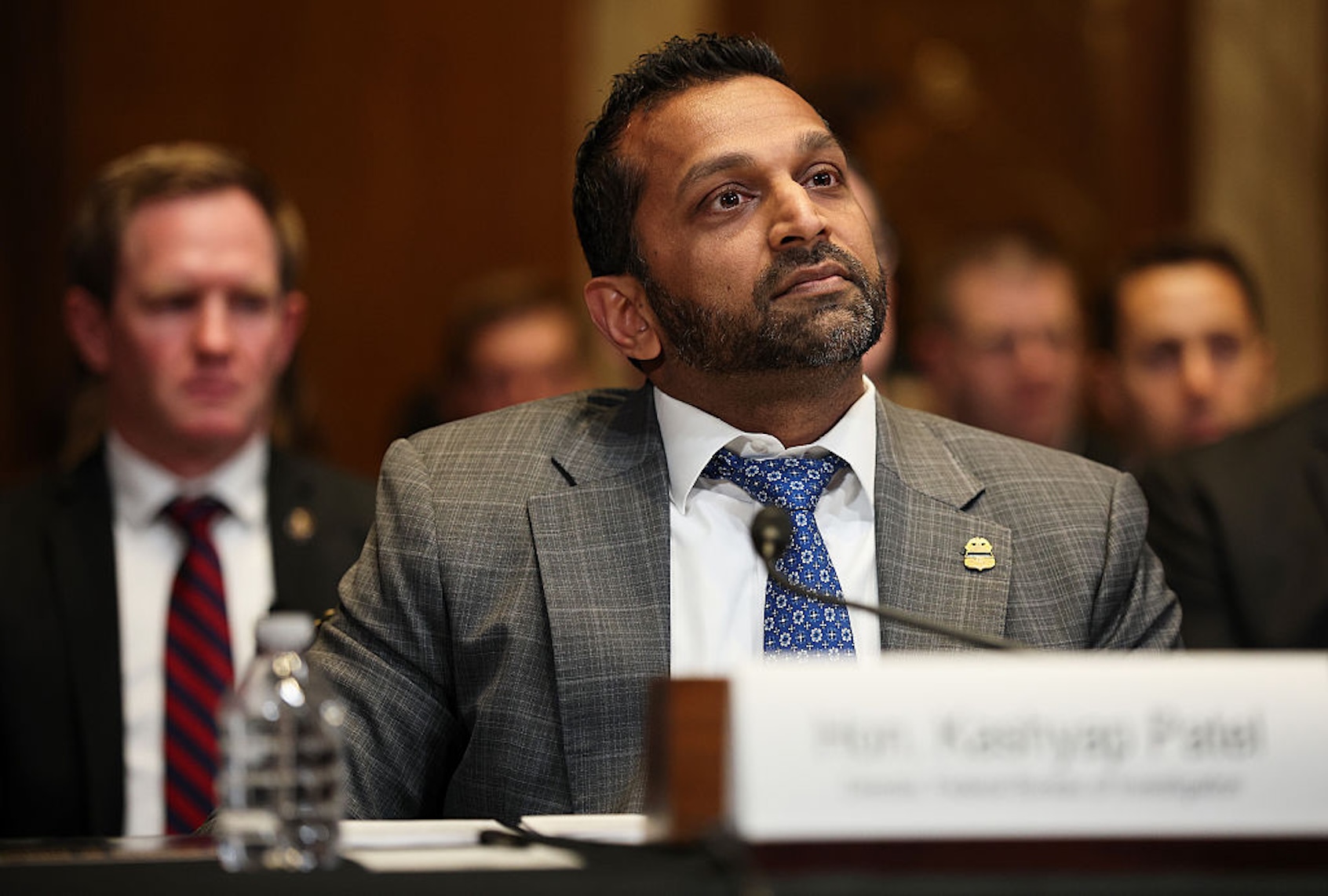
Cover image from salon.com, which was analyzed for this article
Officials linked to Trump have signaled aggressive actions against journalists and critics. Early moves focus on women in media and perceived opponents.
PoliticalOS
Saturday, May 16, 2026 — Politics
The administration is using subpoenas and searches to identify sources in stories about Iran planning and internal operations. Whether these steps cross into retaliation or stay within established leak-investigation bounds remains the central unresolved question for press freedom and accountability.
What outlets missed
Neither outlet examined whether any of the targeted reporting actually revealed operational details that could aid adversaries or merely restated publicly discussed risks. The legal outcomes of the subpoenas and the classified-materials probe remain unreported across both pieces. Patel’s international travel controversies and internal FBI morale claims appear in one account but receive no cross-check against official travel records or agent retention data.
Federal authorities have issued subpoenas and conducted searches targeting journalists whose reporting touched on sensitive administration matters, from Iran war planning to internal FBI operations. These steps have revived long-standing debates over how far prosecutors can go when seeking sources behind unauthorized disclosures.
The Wall Street Journal received grand jury subpoenas dated March 4 for records tied to a February 23 article that described Joint Chiefs Chairman Gen. Dan Caine warning President Trump about risks in a potential U.S.-Israel campaign against Iran. Axios and Washington Post reporters covering similar ground also faced subpoenas. The stories cited unnamed current and former officials and highlighted concerns over rapid regime change, depleted munitions stocks, and possible Iranian moves to close the Strait of Hormuz. No prosecutions of the journalists have been reported.
Separately, the FBI executed a dawn raid on Washington Post reporter Hannah Natanson’s home, seizing phones, laptops, and a smartwatch in connection with a probe into a government contractor’s handling of classified materials. New York Times reporter Elizabeth Williamson was examined for possible stalking charges after writing about Director Kash Patel’s use of agents for personal travel. Atlantic reporter Sarah Fitzpatrick became the subject of a leak inquiry after detailing Patel’s management style and alleged drinking. Patel told a Senate subcommittee in May 2026 that the bureau was “targeting and investigating no journalists.”
Patel had previously stated on Steve Bannon’s podcast that the administration would pursue media figures who “lied about American citizens.” He has filed defamation suits against former FBI official Frank Figliuzzi and The Atlantic; one suit was dismissed, the other remains on appeal. Historical precedents include Obama-era records seizures from Associated Press and Fox News reporter James Rosen, plus first-term Trump administration requests involving Russiagate coverage. Attorney General Merrick Garland later barred most such subpoenas; his successor Pam Bondi reversed that policy, requiring only attorney general approval and exhaustion of alternatives.
No reporter-source privilege exists under Supreme Court precedent in Branzburg v. Hayes. DOJ guidelines still demand narrow tailoring and serious grounds before compelling journalist records. The current cases center on whether the underlying disclosures involved operational planning or classified retention rather than routine newsgathering.
More in Politics

Federal Agents Search Omar Home in Ongoing Immigration Probe
Homeland Security agents searched the Minnesota Democrat's DC residence in a criminal probe, prompting accusations of political intimidation from Omar and Democratic leaders. Coverage spans left-leaning outlets like NPR, BBC, and The Guardian alongside right-leaning criticism from The Federalist and Daily Wire.

Trump Diesel Import Plan Draws Pushback Over Russia Ties
The weekend agreement drew bipartisan congressional pushback and criticism from Ukraine's Zelenskyy, with analysts downplaying US fuel price impacts. Right-leaning outlets like National Review, Dispatch, and Washington Examiner questioned its legality and effectiveness.

Independents Test Voter Appetite for Middle Ground in 2026 Midterms
Nearly 200 independents are running in competitive races as voters weigh ballot measures on housing costs in states like Massachusetts. Left-leaning coverage from NYT, NPR, and Guardian highlights turnout and key races while right outlets focus on GOP strategy.
Trump Rallies in Alaska, Ohio to Bolster GOP Senate Candidates
The president rallied in Wasilla for Sen. Dan Sullivan and faced empty seats at an Ohio event amid midterm concerns. Outlets across the spectrum covered the trips as signals of GOP vulnerability weeks before Election Day.
The Compass
You just read five takes on one story.
What's your take? Find your political shape in a few minutes.
Take the test