
Trump joins Rededicate 250 prayer event on National Mall
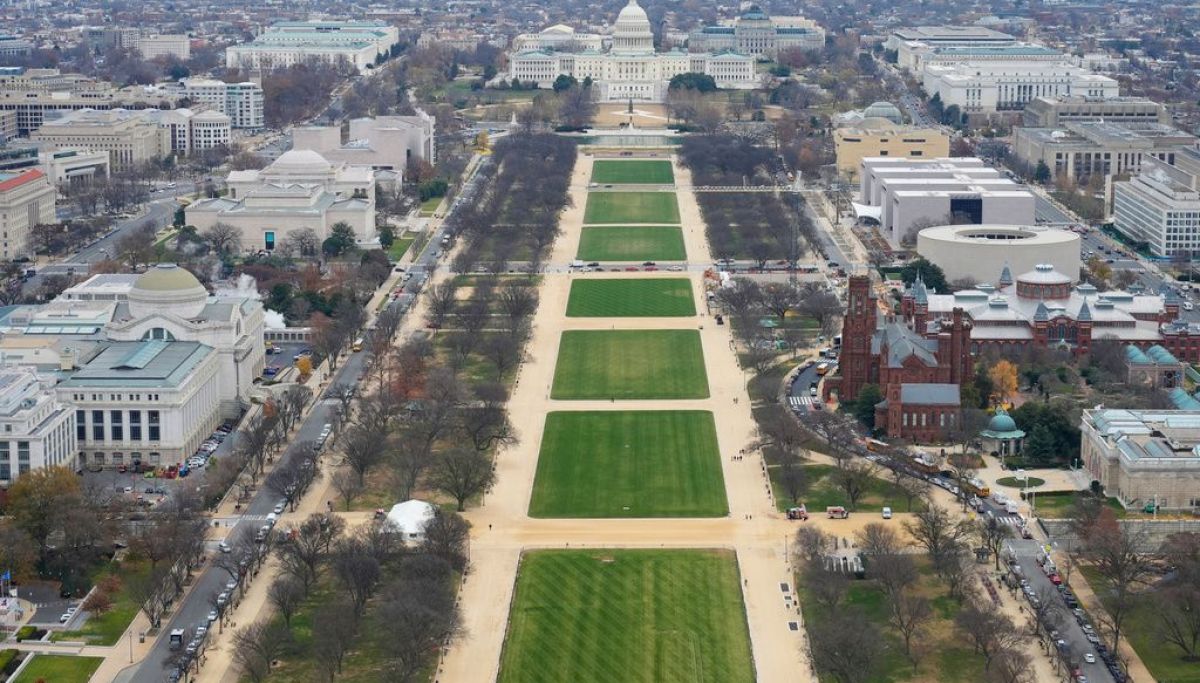
Cover image from washingtonexaminer.com, which was analyzed for this article
The White House participated in a 'Rededicate 250' event promoting America's Christian origins, drawing both support and criticism over Christian nationalism concerns.
PoliticalOS
Sunday, May 17, 2026 — Politics
The event placed top administration officials at the center of a large public prayer program explicitly tied to Christian heritage claims. Readers should weigh the documented speaker demographics and official participation against long-standing constitutional debates over religious establishment and free exercise. The core unresolved tension is whether such gatherings reinforce or narrow the nation’s pluralistic framework.
What outlets missed
Most coverage omitted the precise historical parallel organizers drew to the Continental Congress’s 1776 Day of Humiliation, Fasting and Prayer. Few noted the participation of non-evangelical figures such as Cardinal Timothy Dolan and Rabbi Meir Soloveichik alongside the dominant evangelical roster. Little attention was given to the event’s explicit three-pillar structure or its coordination with corporate and university choirs. Details on prior similar events under earlier presidents and the absence of non-Abrahamic faith leaders were mentioned only in passing or not at all.
Tens of thousands gathered on the National Mall on May 17, 2026, for a nine-hour prayer and worship program that placed senior Trump administration officials alongside evangelical leaders to mark the approach of America’s 250th anniversary. The event, organized under the Freedom 250 initiative and promoted by the White House as a rededication to the nation’s founding principles, featured scheduled addresses from Defense Secretary Pete Hegseth, Secretary of State Marco Rubio, House Speaker Mike Johnson, and a pre-recorded message from President Trump. Organizers described three central themes—God’s providence in American history, present-day testimonies of faith, and a collective prayer for the next 250 years—while citing the 1776 Continental Congress call for a day of humiliation, fasting, and prayer as precedent.
Critics, including professors Sam Perry of Baylor University and Julie Ingersoll of the University of North Florida, pointed to the speaker list of roughly twenty faith leaders, of whom all but one rabbi and one retired Catholic archbishop were evangelical Protestants, and argued that the scale and official participation framed American identity in explicitly Christian terms. Supporters, including Bishop Robert Barron and event organizers, countered that explicit recognition of the biblical assumptions in the Declaration of Independence strengthens rather than restricts religious liberty for all citizens. The program also included performances by Christian musicians and choirs from Liberty University, Grand Canyon University, and Hillsdale College, plus military bands.
The gathering occurred against a backdrop of prior National Day of Prayer observances and smaller faith events held by previous administrations, yet differed in duration, cabinet-level involvement, and direct White House coordination. Public records and organizer statements confirm free admission and live broadcast on Newsmax, with no independent verification of final attendance figures beyond the “tens of thousands” projection. The unresolved question remains how such public religious expression intersects with the constitutional prohibition on establishing religion while protecting free exercise.
More in Politics

Federal Agents Search Omar Home in Ongoing Immigration Probe
Homeland Security agents searched the Minnesota Democrat's DC residence in a criminal probe, prompting accusations of political intimidation from Omar and Democratic leaders. Coverage spans left-leaning outlets like NPR, BBC, and The Guardian alongside right-leaning criticism from The Federalist and Daily Wire.

Trump Diesel Import Plan Draws Pushback Over Russia Ties
The weekend agreement drew bipartisan congressional pushback and criticism from Ukraine's Zelenskyy, with analysts downplaying US fuel price impacts. Right-leaning outlets like National Review, Dispatch, and Washington Examiner questioned its legality and effectiveness.

Independents Test Voter Appetite for Middle Ground in 2026 Midterms
Nearly 200 independents are running in competitive races as voters weigh ballot measures on housing costs in states like Massachusetts. Left-leaning coverage from NYT, NPR, and Guardian highlights turnout and key races while right outlets focus on GOP strategy.
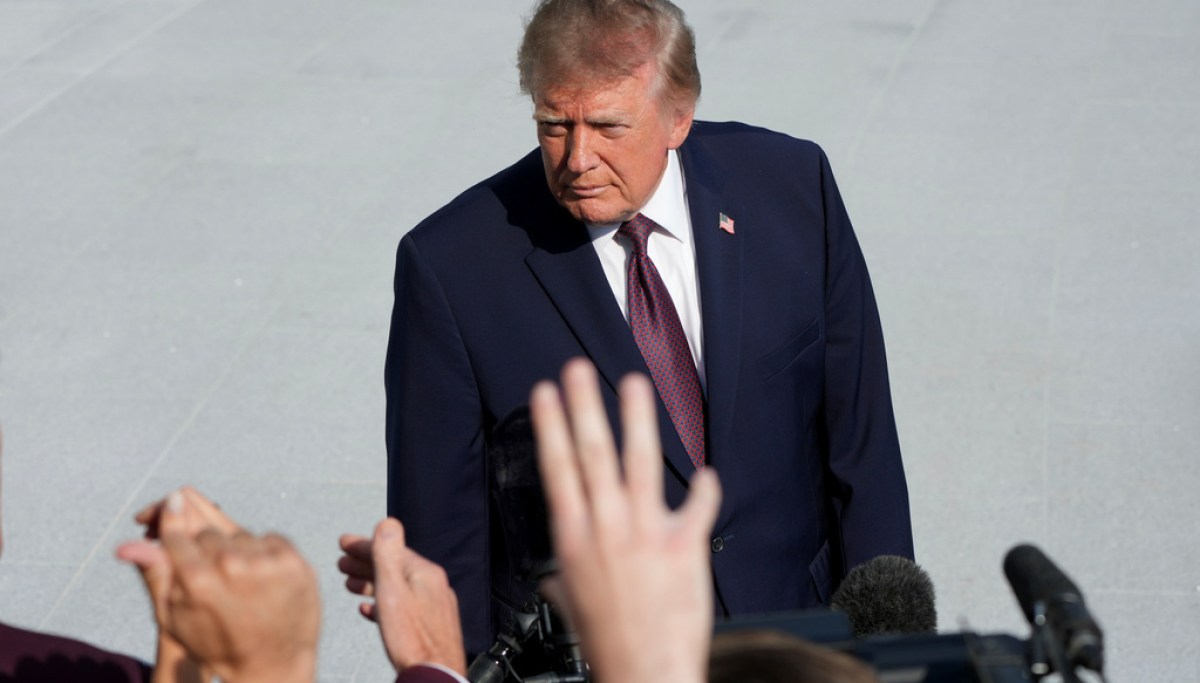
Trump Rallies in Alaska, Ohio to Bolster GOP Senate Candidates
The president rallied in Wasilla for Sen. Dan Sullivan and faced empty seats at an Ohio event amid midterm concerns. Outlets across the spectrum covered the trips as signals of GOP vulnerability weeks before Election Day.
The Compass
You just read five takes on one story.
What's your take? Find your political shape in a few minutes.
Take the test