
Trump Acting DNI Pick Upends FISA Renewal Negotiations

Cover image from thedispatch.com, which was analyzed for this article
Reports detail use of acting officials to bypass Senate confirmation and picks like Todd Blanche for AG and Bill Pulte for intel roles. Moves spark concerns over spy tools and Senate dynamics.
PoliticalOS
Thursday, June 11, 2026 — Politics
The appointment of an acting official without Senate confirmation has introduced new conditions into FISA reauthorization talks that previously appeared close to resolution. Whether the program receives a long-term extension now depends on whether the administration alters the acting arrangement or Congress accepts a short-term measure. The episode illustrates how one personnel decision can reorder legislative priorities on a major surveillance authority.
What outlets missed
The Axios account of Pulte's direct call to Gabbard could not be independently verified by other outlets and remains attributed solely to unnamed officials briefed on the exchange. Details on Pulte's stated intent to reduce ODNI headcount by removing officials described as underperforming or aligned with Democrats appeared only in Axios and were not corroborated elsewhere. No outlet supplied the precise vote thresholds or committee markup schedule that would clarify whether the nomination alone shifted the FISA timeline or whether partisan conditions predated the announcement. Pulte's family ties to Mar-a-Lago and prior clashes with Treasury Secretary Scott Bessent received limited or no coverage outside Axios.
Trump's Appointment of Pulte Upends FISA Negotiations
President Trump's selection of Bill Pulte as acting director of national intelligence has injected fresh uncertainty into congressional efforts to renew a major foreign surveillance authority. Pulte, currently heading the Federal Housing Finance Agency, lacks any background in intelligence matters or even the necessary security clearances for the role. His appointment has complicated months of talks over reauthorizing Section 702 of the Foreign Intelligence Surveillance Act, which permits the collection of communications from foreign targets without individual warrants.
The Senate had appeared close to approving a three-year extension of the program before its scheduled expiration. Lawmakers from both parties had settled on terms that included some added oversight measures. Pulte's sudden elevation, announced via a Truth Social post, shifted those dynamics. Several senators expressed reservations about placing someone with Pulte's profile in charge of the broader intelligence community, which includes oversight of 702 operations conducted by agencies such as the NSA and FBI.
Pulte's record centers on housing policy and public advocacy aligned with Trump priorities. He pushed for investigations into mortgage practices involving figures seen as opponents and called for the removal of Federal Reserve Chair Jerome Powell. This approach raised questions among lawmakers about whether the new acting director would prioritize institutional competence over political considerations when managing sensitive collection programs.
Tulsi Gabbard, the outgoing director, received a call from Pulte informing her that her tenure would end immediately rather than at the end of the month as she had planned. Gabbard sought clarification directly from Trump, who allowed her to depart on June 19 instead. The episode underscored internal friction over the transition and the administration's handling of intelligence leadership.
Critics of expansive government surveillance have long noted risks that authorities granted under 702 could be misused against American citizens when data incidentally collected is queried without proper safeguards. Past inspector general reports documented compliance failures at the FBI, where analysts ran improper searches on domestic targets. Placing an official without demonstrated expertise in these technical and legal areas could compound those vulnerabilities rather than resolve them.
Supporters of the reauthorization argue that 702 remains essential for tracking foreign threats, including terrorism and espionage. They point to its role in disrupting plots that would otherwise require slower, warrant-based processes ill-suited to real-time foreign intelligence. Yet the current impasse illustrates how personnel decisions driven by loyalty can delay even narrowly tailored extensions.
Congress now faces pressure to either proceed with a short-term patch or address broader reforms to query procedures before any long-term renewal. Pulte's involvement has made clear that effective administration of intelligence tools depends less on partisan signaling and more on individuals equipped to navigate complex statutory limits and technical realities. Without that foundation, programs intended to protect national security risk becoming entangled in predictable institutional conflicts.
You just read Conservative's take. Want to read what actually happened?
More in Politics
Polls Show Democratic Edges in Pennsylvania House Races Amid Kansas Senate Strain
Early voting began in key states with Democrats showing edges in House races and Trump barnstorming to defy headwinds as forecasters highlight competitive battlegrounds.

Trump Defends Ramaswamy Ad Using Estranged Mother in Ohio Race
President Trump defended a GOP nominee's ad featuring a Democratic opponent's estranged mother, calling it powerful, while drawing criticism from some Republicans including Ohio Gov. Mike DeWine. The ad has sparked internal GOP tensions ahead of midterms.
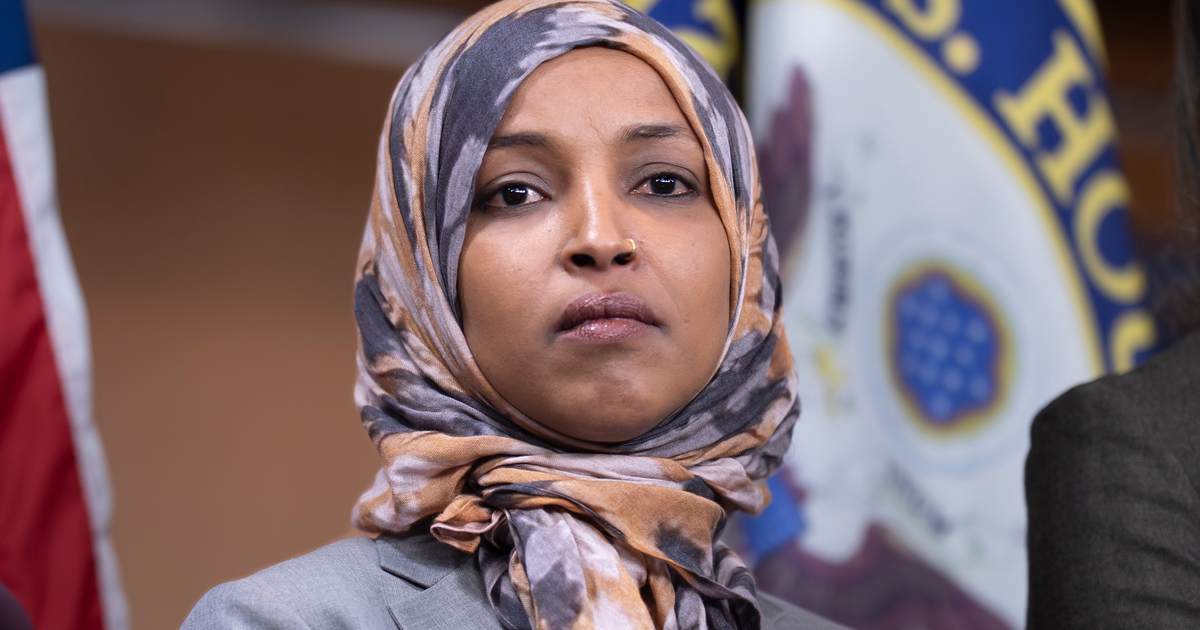
Federal Raid Targets Omar Amid Unresolved Name and Marriage Allegations
Agents searched Rep. Ilhan Omar's DC residence over immigration fraud allegations; she called it bizarre. Reports and commentary questioned her birth name and past marriage details.

Supreme Court Upholds New Hampshire Student ID Voting Ban
The Supreme Court upheld New Hampshire's ban on student IDs as valid voter identification just before midterms, affecting a tight Senate race.
The Compass
You just read five takes on one story.
What's your take? Find your political shape in a few minutes.
Take the test