
Trump and Pope Leo Clash Over Moral Critique of Iran War
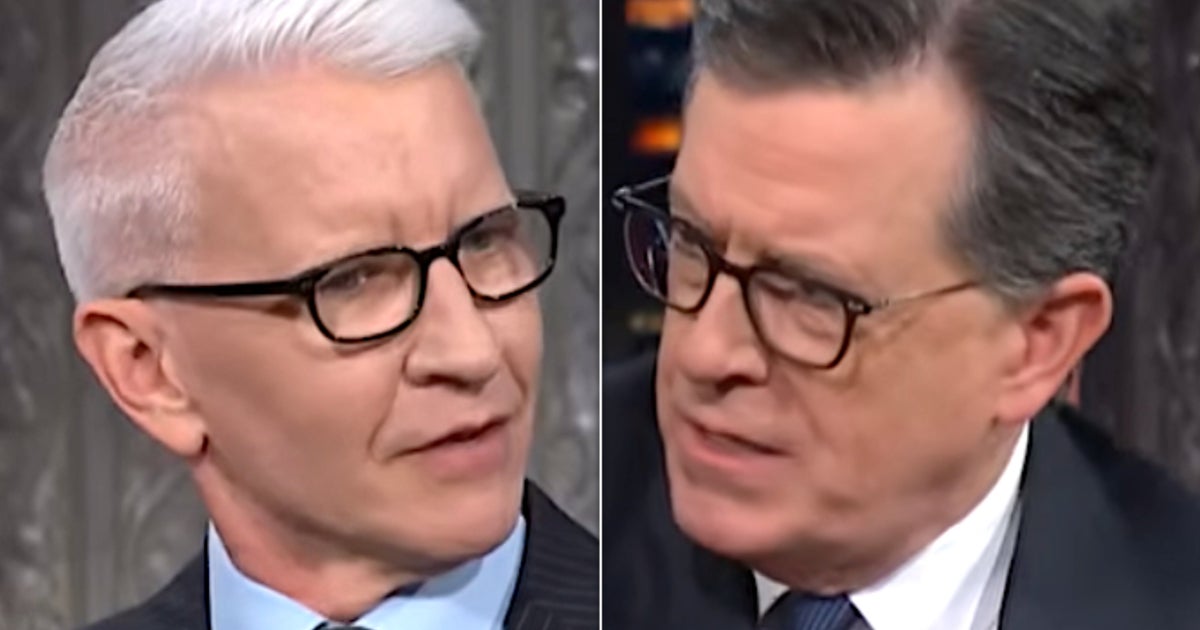
Cover image from huffpost.com, which was analyzed for this article
Pope Leo's pacifist critique of the US-Iran conflict has ignited backlash from Trump allies accusing him of weakness against threats like Hezbollah and Iran. Left-leaning media spotlight Trump's aggressive tactics, while right-wing outlets defend the strategy against papal interference. The rift underscores divides on military action and religion in foreign policy.
PoliticalOS
Friday, April 17, 2026 — Politics
The Trump-Pope feud reveals an irreconcilable tension between religious calls for peace and the harsh realities of confronting nuclear-seeking regimes that sponsor terrorism. No amount of biblical citation or moral condemnation has yet altered the naval blockade squeezing Iran or the proxy threats that prompted it. Readers should recognize that both sides claim moral ground: one rooted in just-war tradition and national interest, the other in the imperative to prevent escalation and civilian suffering.
What outlets missed
Most coverage omitted the full timeline showing Pope Leo's statements on religious manipulation preceded Trump's Truth Social attacks, framing the president as the instigator rather than respondent. Details on U.S. military results, including a 90 percent reduction in Iranian missile launches and a one-to-two-year setback to its nuclear program per Pentagon assessments, appeared sporadically and were downplayed in entertainment-driven reporting. The Catholic just-war tradition, which permits defensive force under strict conditions, received almost no attention despite directly relating to the Pope's authority on the issue. Finally, verifiable economic impacts of the naval blockade, such as Iran's inability to pay Hezbollah and other militias, were rarely juxtaposed with papal calls for peace, leaving readers without the material stakes of the debate.
A sitting American president is trading public barbs with the leader of the Roman Catholic Church over whether divine blessing extends to military action against Iran. The exchange has unsettled Catholic voters who helped elect Donald Trump, raised questions about the boundaries between faith and foreign policy, and exposed raw nerves in a nation already divided on the use of force. What began as papal commentary on suffering has escalated into accusations of political meddling, biblical illiteracy and weakness in the face of terrorism.
The feud traces to Pope Leo XIV's repeated statements opposing the U.S.-led military campaign. During an April 2026 tour of Africa, the pontiff declared that "God does not bless any conflict and certainly doesn’t side with those who drop bombs," according to multiple outlets including Fox News and CBS transcripts. He further condemned those who "manipulate religion and the very name of God for their own military, economic and political gain." Trump responded on Truth Social by labeling the Pope "WEAK on Crime, and terrible for Foreign Policy" and stating he did not "want a Pope who thinks it’s terrible that America attacked Venezuela." The president briefly posted an image depicting himself as a divine figure before deleting it, reports from OSV News and Mediaite confirmed.
Sean Hannity amplified the administration's position. On his radio program and Fox News show, the host offered to personally interview the Pope, citing his own Catholic education and Latin studies. He argued the pontiff displayed "selective moral outrage" by criticizing U.S. actions while remaining silent on Iran's sponsorship of Hezbollah, its human rights record and threats to Israel. Hannity claimed the Pope's statements were "simply not biblically accurate" because scripture contains numerous references to God authorizing war, including the story of David and Goliath. He suggested the Pope was "more interested in spreading left-wing politics" and had met with Obama adviser David Axelrod and Illinois Governor J.B. Pritzker. Those meetings could not be independently verified across outlets.
Critics immediately pushed back. Podcaster Jon Favreau called the episode "deranged," arguing that lecturing the Vicar of Christ on Gospel interpretation exceeds normal policy disagreement. Stephen Colbert and Anderson Cooper, during an appearance on The Late Show, mocked the administration's metrics for success in Iran and quipped that any "fog of war" seemed to emanate from the White House. National Review editors labeled Trump's approach "unwise and unnecessary," warning it risks alienating Catholic voters who shifted toward the GOP precisely because of Democratic cultural policies. The same digest noted conflicting accounts of a tense meeting between Trump officials and the papal nuncio that reportedly referenced an "Avignon-style schism."
The military context adds weight. Trump dispatched Vice President JD Vance, Steve Witkoff and Jared Kushner to Islamabad for talks with Iranian representatives. No agreement was reached. The U.S. subsequently imposed a naval blockade on Iranian ports, deployed warships to the Strait of Hormuz and conducted strikes that the Pentagon says set back Iran's nuclear program by one to two years, according to Defense Intelligence Agency assessments cited by Reuters and RAND. Iran launched over 400 ballistic missiles at U.S. and Israeli targets early in the conflict; American and allied responses reduced subsequent launches by approximately 90 percent. Tehran has faced severe economic pressure, with limited ability to pay proxy militias or export oil. These details appeared prominently in National Review and Reuters but received less emphasis in entertainment-focused coverage.
The Pope's position aligns with long-standing Catholic teaching on just war that requires legitimate authority, just cause, proportionality and last resort, per the Catechism of the Catholic Church. Yet it also echoes simpler pacifist slogans such as "war is not the answer" associated with groups like Code Pink. New York Post columnist Rich Lowry countered that history demonstrates war can resolve fundamental questions: Constantine's victory enabled Christianity's spread, the Allies defeated Napoleon and Hitler, and the American Civil War ended slavery. He noted the Congress of Vienna delivered nearly a century without general European war, though the Crimean and Franco-Prussian conflicts occurred in between. These historical examples were not addressed in left-leaning reports that instead highlighted Trump's golf outings during the conflict, which have reached 110 days in his second term with projected taxpayer costs approaching $300 million according to CREW estimates.
Los Angeles Times contributor Matt K. Lewis argued Trump's transactional style, effective against "rational" secular opponents, falters against adversaries motivated by ideology or faith. The piece described the Venezuela operation as capturing Nicolás Maduro and installing his vice president as a puppet, though congressional summaries and BBC reporting show a more complex sequence involving local courts, military defections and multi-month airstrikes. Townhall columnist Tim Graham accused mainstream outlets of selectively amplifying papal criticism on war and poverty while ignoring Church teaching on abortion or Christian persecution in Africa. His column referenced a "60 Minutes" segment with three U.S. cardinals that some analyses later could not fully corroborate in exact quotes or framing.
Unresolved questions remain. Has the Pope's critique damaged U.S. standing among global Catholics, or has Trump's response energized his base? Will Catholic voters, a key demographic in Trump's coalition, view the exchange as defending national interest or as bullying spiritual leadership? The blockade continues. Oil prices fluctuate. Iranian proxies remain active. And the central tension endures: whether moral absolutes articulated from the Vatican can coexist with the brutal pragmatism required to confront regimes that sponsor terrorism and pursue nuclear weapons. Readers must weigh both the human cost of conflict and the consequences of inaction.
More in Politics

Federal Agents Search Omar Home in Ongoing Immigration Probe
Homeland Security agents searched the Minnesota Democrat's DC residence in a criminal probe, prompting accusations of political intimidation from Omar and Democratic leaders. Coverage spans left-leaning outlets like NPR, BBC, and The Guardian alongside right-leaning criticism from The Federalist and Daily Wire.

Trump Diesel Import Plan Draws Pushback Over Russia Ties
The weekend agreement drew bipartisan congressional pushback and criticism from Ukraine's Zelenskyy, with analysts downplaying US fuel price impacts. Right-leaning outlets like National Review, Dispatch, and Washington Examiner questioned its legality and effectiveness.

Independents Test Voter Appetite for Middle Ground in 2026 Midterms
Nearly 200 independents are running in competitive races as voters weigh ballot measures on housing costs in states like Massachusetts. Left-leaning coverage from NYT, NPR, and Guardian highlights turnout and key races while right outlets focus on GOP strategy.
Trump Rallies in Alaska, Ohio to Bolster GOP Senate Candidates
The president rallied in Wasilla for Sen. Dan Sullivan and faced empty seats at an Ohio event amid midterm concerns. Outlets across the spectrum covered the trips as signals of GOP vulnerability weeks before Election Day.
The Compass
You just read five takes on one story.
What's your take? Find your political shape in a few minutes.
Take the test