
Trump Accuses Pope Leo XIV of Endangering Catholics Ahead of Rubio Visit
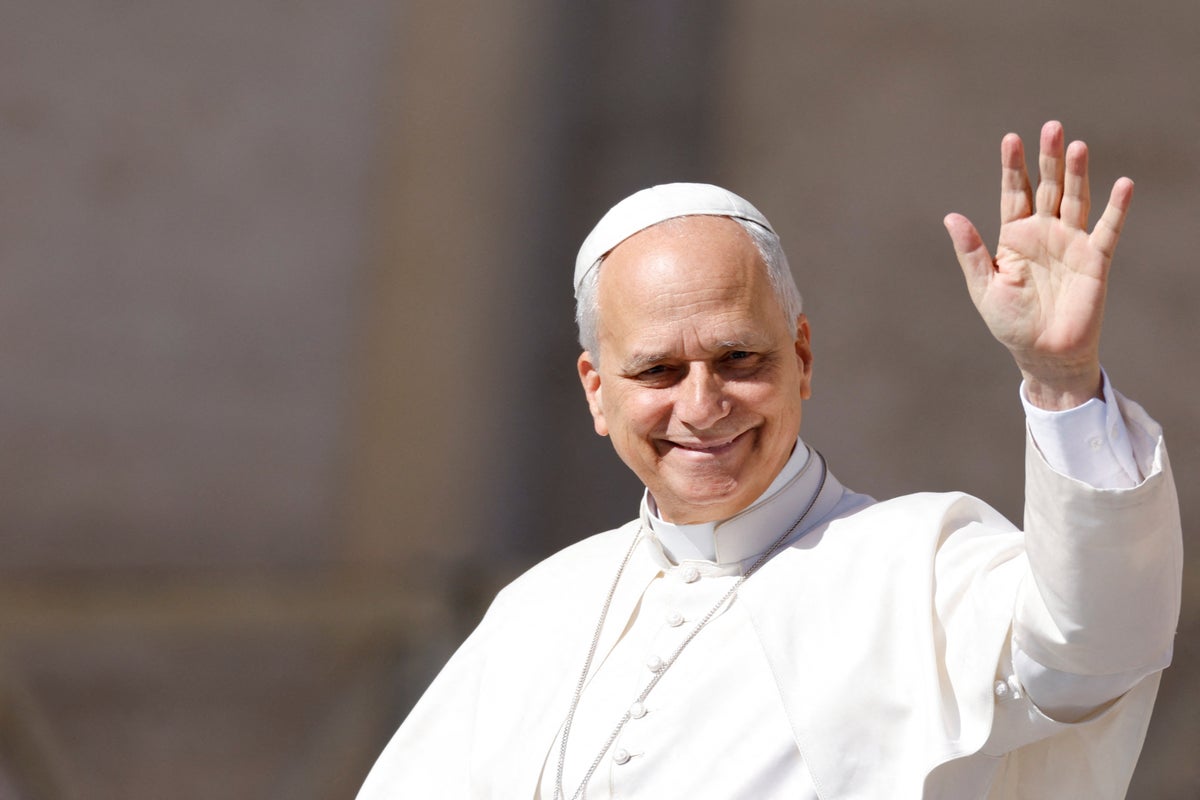
Cover image from independent.co.uk, which was analyzed for this article
Trump accused Pope Leo XIV of endangering Catholics in sharp comments, renewing their clash ahead of Secretary Rubio's Vatican visit. Rubio anticipates a frank discussion. The spat highlights Trump's style in international relations.
PoliticalOS
Tuesday, May 5, 2026 — Politics
The reported comments by President Trump accusing Pope Leo XIV of endangering Catholics over Iran policy remain tied to a single unverified radio interview rather than an established pattern of papal statements favoring nuclear weapons. Rubio's Vatican meetings represent a deliberate diplomatic channel to manage differences on the Middle East, Cuba and immigration even as personal rhetoric continues. Readers should treat the precise wording of the latest Trump remarks and certain papal criticisms with caution until primary transcripts or recordings surface.
What outlets missed
Most accounts underplayed the documented timeline of the 2026 Iran conflict, which began with U.S.-Israeli strikes on February 28 in response to nuclear and missile developments and included a ceasefire by April 8, leaving only residual tensions by May. Outlets gave little space to Vatican transcripts showing Pope Leo's consistent calls for a 'world free from nuclear threat,' which directly contextualize and challenge the interpretation of his stance on Iran. The full Rubio itinerary, including meetings with Vatican Secretary of State Parolin, Italian Foreign Minister Tajani and potential broader diplomatic efforts to 'thaw' relations, received minimal attention. Primary sourcing for the Hugh Hewitt interview remained thin across coverage, with no outlet linking to audio, a full transcript or contemporaneous fact-checks at time of publication. Finally, the potential erosion of support among U.S. conservative Catholics, noted in BBC reporting, was largely sidelined in favor of the personal Trump-pope drama.
A public rift between the president of the United States and the first American-born pope has sharpened at a delicate diplomatic juncture. With Secretary of State Marco Rubio due in Rome this week for talks at the Vatican, President Trump lashed out at Pope Leo XIV, claiming the pontiff's positions were putting Catholics at risk. The exchange, reported across multiple outlets, revives questions about whether policy differences over Iran, immigration and Cuba can be managed without personal recrimination.
Trump made the comments during a discussion on the Hugh Hewitt radio show focused on jailed Hong Kong pro-democracy activist Jimmy Lai. According to accounts from Reuters and The Independent, when Hewitt suggested the pope might also press China on Lai's case, Trump responded that the pontiff "would rather talk about the fact that it's OK for Iran to have a nuclear weapon." He continued that the pope was "endangering a lot of Catholics and a lot of people." These specific remarks could not be independently verified through publicly available transcripts or audio beyond the shared reporting.
The tension sits atop months of friction. Pope Leo XIV, formerly Cardinal Robert Prevost of Chicago, has criticized aspects of U.S. policy in the Middle East. Vatican records show he has repeatedly called for nuclear disarmament and a Middle East free from the threat of atomic weapons, including during a June 2025 Angelus address. He described certain escalatory rhetoric around Iran as "unacceptable" and pointed to what he termed a "delusion of omnipotence" behind various global conflicts. Trump, in turn, labeled the pope "WEAK on crime" and "terrible for Foreign Policy." He has also expressed preference for the pope's brother Louis and described him as aligned with MAGA principles; no independent records confirm the existence of such a sibling or those statements.
Short pause. The personal tone stands out. Presidents and popes have disagreed before. Rarely have the exchanges carried this flavor.
U.S. Ambassador to the Holy See Brian Burch pushed back on the idea of a deep personal breach. Speaking to journalists Tuesday after an event at Rome's Gregorian University, Burch said nations have disagreements and that "one of the ways that you work through those is through fraternity and authentic dialogue." He added that Rubio was arriving "in that spirit" for a "frank conversation about U.S. policy." Burch explicitly rejected the notion of "some deep rift."
Rubio, a Catholic who attended Pope Leo's inaugural Mass with Vice President JD Vance a year earlier, is expected to meet the pontiff between May 6 and 8. The agenda, per State Department statements to USA Today, includes advancing bilateral relations with both Italy and the Vatican. Topics are likely to encompass the aftermath of the U.S.-Israeli military campaign against Iran that began February 28, 2026, in response to perceived nuclear and missile advances, followed by a ceasefire in April. Residual tensions around the Strait of Hormuz and Iran's program remain. Cuba is also on the list. The pope has voiced "great concern" over rising U.S.-Cuba friction following the ouster of Venezuelan leader Nicolas Maduro in January and has prayed for protection over the island nation.
The pope has maintained he holds "no fear of the Trump administration" and prefers not to engage in direct debate with the president. Trump, meanwhile, plans to raise Lai's detention with Chinese President Xi Jinping later this month. The broader backdrop includes Trump's earlier social media post featuring an AI-generated image of himself as Jesus healing the sick, which drew criticism even from some supporters.
Reactions from Catholic circles have been mixed. Some conservative voices expressed discomfort with the pope's criticism of U.S. immigration enforcement. Others worry the public barbs erode support among American Catholics, a key constituency. Italian Prime Minister Giorgia Meloni has defended the pope, while her defense minister warned that the Iran conflict risks U.S. global leadership.
Pope Leo marks the first anniversary of his papacy on Friday. The 1.4-billion-member church's leader began his tenure with a relatively low international profile before adopting firmer public stances on war, migration and dialogue. Whether Rubio's meetings can compartmentalize these differences will be closely watched. For now, the central tension remains unresolved: how a president who prizes strength and a pope who prioritizes peace navigate their overlapping influence on a turbulent world.
More in Politics

Federal Agents Search Omar Home in Ongoing Immigration Probe
Homeland Security agents searched the Minnesota Democrat's DC residence in a criminal probe, prompting accusations of political intimidation from Omar and Democratic leaders. Coverage spans left-leaning outlets like NPR, BBC, and The Guardian alongside right-leaning criticism from The Federalist and Daily Wire.

Trump Diesel Import Plan Draws Pushback Over Russia Ties
The weekend agreement drew bipartisan congressional pushback and criticism from Ukraine's Zelenskyy, with analysts downplaying US fuel price impacts. Right-leaning outlets like National Review, Dispatch, and Washington Examiner questioned its legality and effectiveness.

Independents Test Voter Appetite for Middle Ground in 2026 Midterms
Nearly 200 independents are running in competitive races as voters weigh ballot measures on housing costs in states like Massachusetts. Left-leaning coverage from NYT, NPR, and Guardian highlights turnout and key races while right outlets focus on GOP strategy.
Trump Rallies in Alaska, Ohio to Bolster GOP Senate Candidates
The president rallied in Wasilla for Sen. Dan Sullivan and faced empty seats at an Ohio event amid midterm concerns. Outlets across the spectrum covered the trips as signals of GOP vulnerability weeks before Election Day.
The Compass
You just read five takes on one story.
What's your take? Find your political shape in a few minutes.
Take the test