
Trump Anti-Communist Rhetoric Intensifies Before Midterms
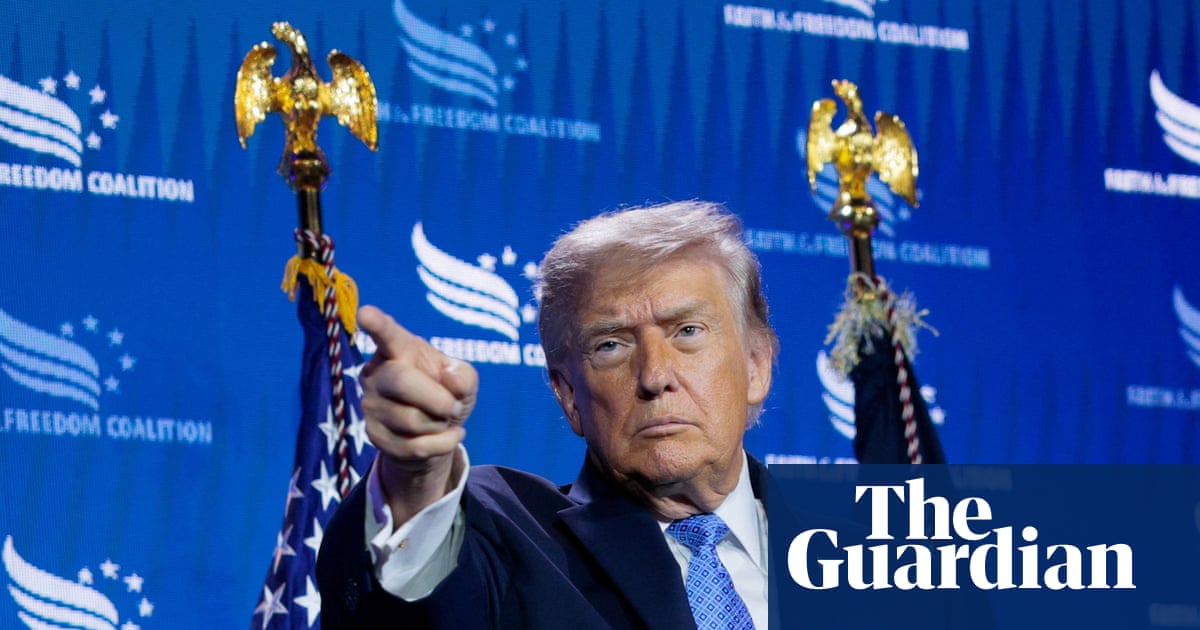
Cover image from theguardian.com, which was analyzed for this article
Trump faces criticism for McCarthyist rhetoric labeling Democrats as communists and other inflammatory claims. Polls and reactions highlight partisan divides ahead of midterms.
PoliticalOS
Tuesday, July 7, 2026 — Politics
Republican attacks equate democratic socialism with communism following recent primary wins, while the administration maintains minority equity positions in several companies. Voters must weigh whether the language reflects a substantive ideological divide or serves as midterm messaging. The absence of detailed primary results and independent polling leaves the effectiveness of the approach open.
What outlets missed
Neither outlet supplied the exact margins or candidate names from the Colorado and New York primary victories that triggered the Republican response. The Guardian alone documented the specific government equity stakes and their percentages, while France 24 alone referenced a 43 percent rise in online mentions of communism without a verifiable Washington Post source. Both pieces omitted reactions from Democratic candidates who won those primaries and any polling data on whether the rhetoric shifts independent voter sentiment.
Voters face a sharpening partisan clash over economic ideology as Republicans label Democratic candidates communists ahead of November's congressional elections. The strategy gained traction after democratic socialist candidates won primaries in New York and Colorado, including the defeat of a long-serving incumbent in Colorado's 1st district.
President Trump delivered the core message during a July 4 address at Mount Rushmore marking the 250th anniversary of the Declaration of Independence. He stated that communism represents "death, tyranny, and the pursuit of evil" and stands opposed to "life, liberty and the pursuit of happiness." Republican figures amplified the line. House Speaker Mike Johnson described democratic socialism as placing "barbarians inside the gate." Senator Ted Cruz contrasted Trump-backed savings accounts with the New Deal by saying they aimed to make "every child and every American a capitalist."
The rhetoric coincides with specific administration actions on corporate ownership. The federal government holds a 9.9 percent stake in Intel Corporation, making it the company's largest single shareholder after redirection of funds from the CHIPS Act. It also maintains a 15 percent position in MP Materials, the largest shareholder in that rare earth producer, plus smaller stakes in Lithium Americas and conditions on the U.S. Steel acquisition that include a government "golden share" for national security decisions. These arrangements remain minority positions in publicly traded firms.
Democratic responses frame the attacks as an attempt to divert attention from inflation and affordability concerns. Progressive commentator Thom Hartmann noted that the focus on historical figures such as Karl Marx occurs because some Republicans have little to offer younger voters facing housing costs. Analysts including Tufts University professor Daniel Drezner observed that painting the opposition as more extreme can shift the midterm contest away from a direct referendum on the president's record.
Republican strategists argue the primary results supply a clear contrast for swing districts. Fox News host Jesse Watters stated that Democrats had opened the door to "cold-blooded revolutionaries." Former White House adviser Matt Mowers called the timing of the rhetoric an effort to divide the country before the anniversary celebrations. Some conservative voices, including Barbara Boyd of Promethean Action, urged pairing the criticism with promotion of a distinct American cultural identity rather than repeated attacks alone.
The debate leaves unresolved whether voters will treat the term "communist" as a meaningful distinction or as routine campaign language. No evidence has emerged of formal investigations or employment actions resembling earlier periods of anti-communist scrutiny.
More in Politics

Federal Agents Search Omar Home in Ongoing Immigration Probe
Homeland Security agents searched the Minnesota Democrat's DC residence in a criminal probe, prompting accusations of political intimidation from Omar and Democratic leaders. Coverage spans left-leaning outlets like NPR, BBC, and The Guardian alongside right-leaning criticism from The Federalist and Daily Wire.

Trump Diesel Import Plan Draws Pushback Over Russia Ties
The weekend agreement drew bipartisan congressional pushback and criticism from Ukraine's Zelenskyy, with analysts downplaying US fuel price impacts. Right-leaning outlets like National Review, Dispatch, and Washington Examiner questioned its legality and effectiveness.

Independents Test Voter Appetite for Middle Ground in 2026 Midterms
Nearly 200 independents are running in competitive races as voters weigh ballot measures on housing costs in states like Massachusetts. Left-leaning coverage from NYT, NPR, and Guardian highlights turnout and key races while right outlets focus on GOP strategy.

Trump Rallies in Alaska, Ohio to Bolster GOP Senate Candidates
The president rallied in Wasilla for Sen. Dan Sullivan and faced empty seats at an Ohio event amid midterm concerns. Outlets across the spectrum covered the trips as signals of GOP vulnerability weeks before Election Day.
The Compass
You just read five takes on one story.
What's your take? Find your political shape in a few minutes.
Take the test