
Trump's $1.8 Billion Fund for Alleged Government Overreach Faces Bipartisan Pushback
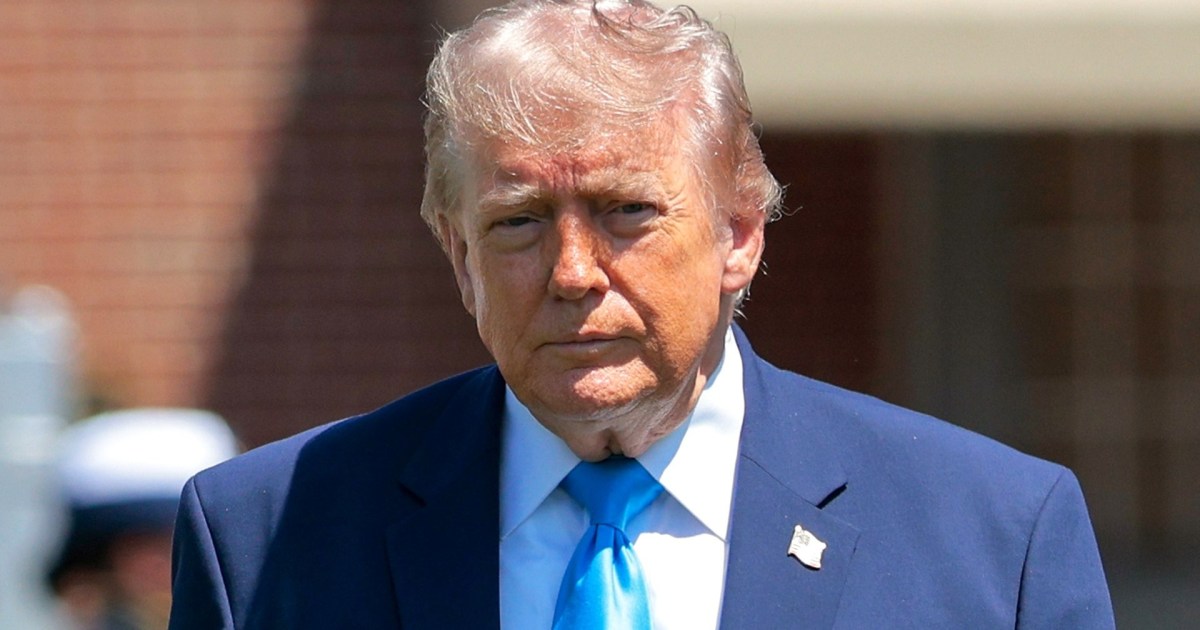
Cover image from today.com, which was analyzed for this article
President Trump established a large fund critics label a slush fund for allies and rioters, prompting legal challenges and GOP unease on Capitol Hill. Allies are already applying while Democrats push subpoenas and question its legality.
PoliticalOS
Thursday, May 21, 2026 — Politics
The $1.8 billion fund exists because of a legal settlement, not a new congressional appropriation, yet its eligibility rules and oversight remain undefined. Lawmakers in both parties are exploring ways to impose limits or block disbursements before claims begin. The outcome will test how far the executive branch can use existing settlement mechanisms to address politically charged grievances without fresh legislative approval.
What outlets missed
Most outlets omitted that the fund originated in a formal settlement resolving a $10 billion lawsuit Trump filed against the IRS over tax-return leaks, complete with a government apology and no direct payout to the president. Few explained the Judgment Fund’s statutory history or noted that earlier large-scale uses under prior administrations also bypassed new congressional appropriations. Coverage rarely mentioned the five-member commission structure or the explicit White House statement that Trump and his family are ineligible. Legal challenges from Capitol Police officers and the precise December 2028 claims deadline received little attention outside congressional testimony summaries.
Taxpayers now face the prospect of funding roughly $1.8 billion in compensation claims tied to accusations of federal overreach, a development that has unsettled lawmakers in both parties and triggered immediate legal challenges. The mechanism emerged from a settlement that ended a lawsuit President Trump and his sons filed against the IRS over the 2019 leak of his tax returns. In exchange for dropping the $10 billion suit, the Justice Department established the Anti-Weaponization Fund to address similar claims from other Americans.
The fund draws from the Judgment Fund, a congressional account created in 1956 and later expanded to cover government settlements without fresh appropriations. A five-member commission will review applications, with four members named by Acting Attorney General Todd Blanche and one selected after consultation with congressional leaders. Claims must be filed by December 2028. The White House has stated that neither Trump nor his family members will seek payments.
Lawmakers have questioned the structure. Senate Majority Leader John Thune said he sees no purpose for the program and expects scrutiny during appropriations. Sen. Susan Collins called it highly irregular and in need of more oversight. In the House, Rep. Brian Fitzpatrick announced plans to explore legislation to block it, while Rep. Kevin Kiley described the arrangement as unprecedented and lacking clear public benefit. Rep. Don Bacon said the setup fails a basic smell test because the president effectively negotiates with his own administration over public money.
Potential recipients include individuals who say they were targeted in investigations related to the 2020 election or the Jan. 6 Capitol events. Lawyers for some Jan. 6 defendants have expressed interest, as have figures such as former Rep. George Santos and others who received pardons or clemency. Acting Attorney General Blanche told senators that anyone may apply, though eligibility rules remain undefined. Two former Capitol Police officers filed suit Wednesday, arguing that payouts to certain claimants would increase risks to their safety.
The Justice Department has pointed to past uses of the Judgment Fund, including large settlements under the Obama administration involving Native American farmers. Legal experts note those earlier programs operated with court oversight that the current fund lacks. Critics, including ethics groups, contend the new program risks abuse because criteria for awards have not been published. Supporters describe it as a necessary correction for documented instances of selective enforcement.
No independent estimate exists for how many claims will be filed or what average awards might reach. The program’s scale and the absence of published eligibility standards remain the central points of contention on Capitol Hill.
More in Politics

Federal Agents Search Omar Home in Ongoing Immigration Probe
Homeland Security agents searched the Minnesota Democrat's DC residence in a criminal probe, prompting accusations of political intimidation from Omar and Democratic leaders. Coverage spans left-leaning outlets like NPR, BBC, and The Guardian alongside right-leaning criticism from The Federalist and Daily Wire.

Trump Diesel Import Plan Draws Pushback Over Russia Ties
The weekend agreement drew bipartisan congressional pushback and criticism from Ukraine's Zelenskyy, with analysts downplaying US fuel price impacts. Right-leaning outlets like National Review, Dispatch, and Washington Examiner questioned its legality and effectiveness.

Independents Test Voter Appetite for Middle Ground in 2026 Midterms
Nearly 200 independents are running in competitive races as voters weigh ballot measures on housing costs in states like Massachusetts. Left-leaning coverage from NYT, NPR, and Guardian highlights turnout and key races while right outlets focus on GOP strategy.
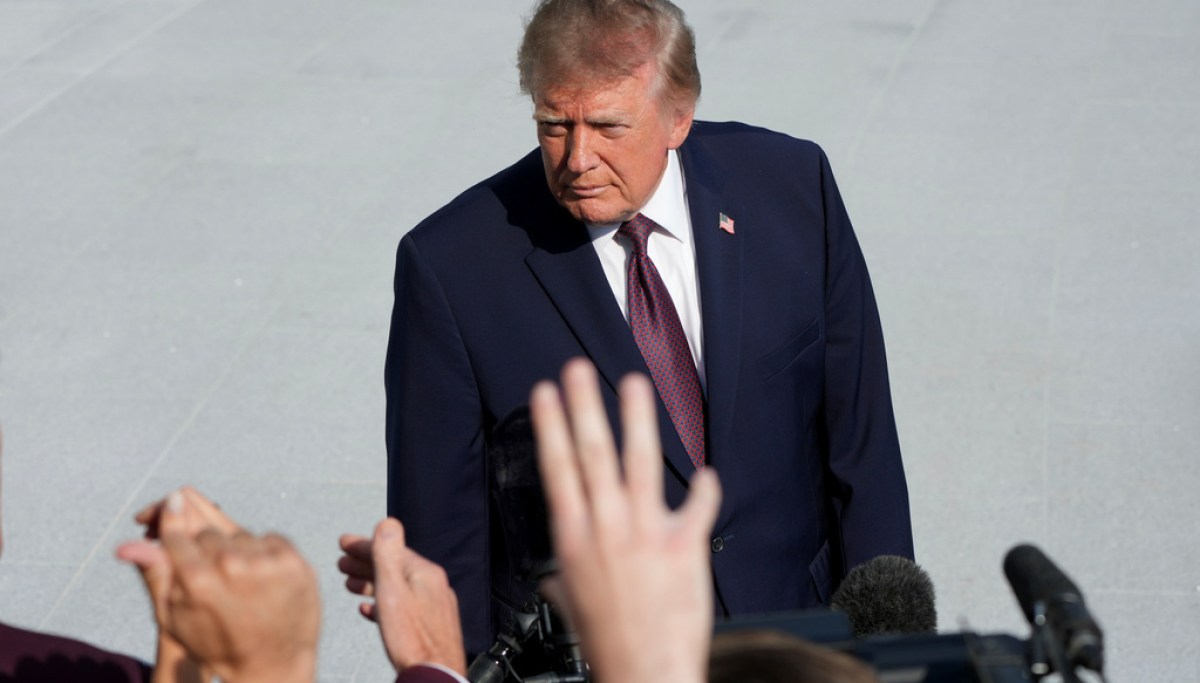
Trump Rallies in Alaska, Ohio to Bolster GOP Senate Candidates
The president rallied in Wasilla for Sen. Dan Sullivan and faced empty seats at an Ohio event amid midterm concerns. Outlets across the spectrum covered the trips as signals of GOP vulnerability weeks before Election Day.
The Compass
You just read five takes on one story.
What's your take? Find your political shape in a few minutes.
Take the test