
Trump Weighs New Taiwan Arms Package After Xi Summit

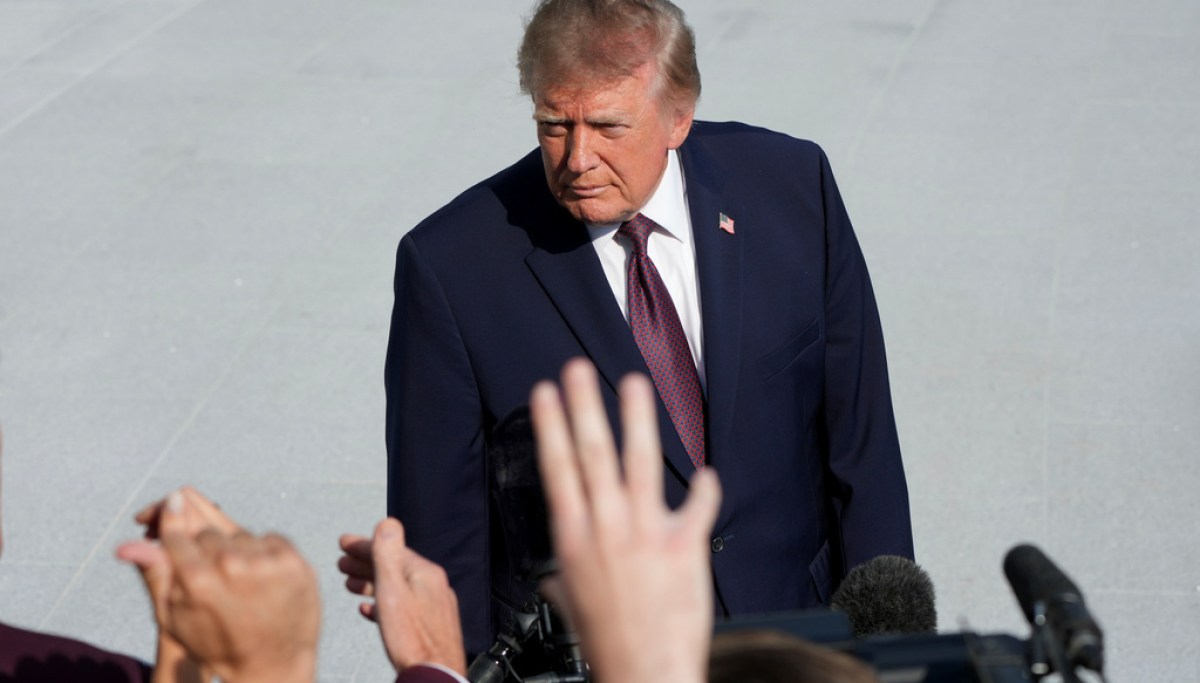
Cover image from latimes.com, which was analyzed for this article
Following talks in Beijing, the administration is weighing additional weapons support for Taiwan. The move is viewed partly as leverage in broader US-China negotiations.
PoliticalOS
Sunday, May 17, 2026 — Politics
The central unresolved issue is whether new U.S. arms for Taiwan will deter Beijing or prompt the confrontation both governments publicly seek to avoid. Semiconductor dependence makes any decision economically consequential within a short window. Readers should track whether the package advances or stalls as the clearest signal of Washington’s post-summit direction.
What outlets missed
Most accounts omitted Trump’s explicit public statement that he does not believe Xi wants conflict over Taiwan, leaving adviser warnings without that direct counterpoint. Chinese Foreign Ministry language on agreed strategic stability was also absent from several pieces, as were any details on the size or timing of the arms package under review. Concrete reactions from Taiwan’s government and from U.S. chip manufacturers were not included despite their direct stake in supply-chain continuity.
Potential shifts in U.S. arms support for Taiwan now sit at the center of Washington-Beijing relations after President Trump’s meetings with Xi Jinping. The question is whether additional weapons will strengthen deterrence or accelerate the very conflict both sides say they want to avoid. Semiconductor supply chains add urgency, since any disruption would reach U.S. companies within months rather than years.
Trump told Fox News the Taiwan issue occupied the leaders for an entire night. He stated that an attack would be met harshly, yet he also questioned the island’s odds even with American help and urged both sides to “cool it.” Administration officials are now reviewing a fresh package of weapons sales, viewing the step partly as leverage in wider trade and security talks. One adviser described Xi’s posture as claiming equality with the United States and ownership of Taiwan, raising the assessed likelihood of action within five years.
Chinese statements after the summit emphasized a new framework of “constructive strategic stability” without listing concessions. No major trade or Iran agreements were announced during the two-day visit. Trump praised the personal relationship and the pageantry, while noting Xi remained “all business” in private sessions. Lawmakers in both parties have pressed for clarity on whether the new package will move forward under the Taiwan Relations Act or remain on hold to test Beijing’s response.
More in Politics

Federal Agents Search Omar Home in Ongoing Immigration Probe
Homeland Security agents searched the Minnesota Democrat's DC residence in a criminal probe, prompting accusations of political intimidation from Omar and Democratic leaders. Coverage spans left-leaning outlets like NPR, BBC, and The Guardian alongside right-leaning criticism from The Federalist and Daily Wire.

Trump Diesel Import Plan Draws Pushback Over Russia Ties
The weekend agreement drew bipartisan congressional pushback and criticism from Ukraine's Zelenskyy, with analysts downplaying US fuel price impacts. Right-leaning outlets like National Review, Dispatch, and Washington Examiner questioned its legality and effectiveness.

Independents Test Voter Appetite for Middle Ground in 2026 Midterms
Nearly 200 independents are running in competitive races as voters weigh ballot measures on housing costs in states like Massachusetts. Left-leaning coverage from NYT, NPR, and Guardian highlights turnout and key races while right outlets focus on GOP strategy.
Trump Rallies in Alaska, Ohio to Bolster GOP Senate Candidates
The president rallied in Wasilla for Sen. Dan Sullivan and faced empty seats at an Ohio event amid midterm concerns. Outlets across the spectrum covered the trips as signals of GOP vulnerability weeks before Election Day.
The Compass
You just read five takes on one story.
What's your take? Find your political shape in a few minutes.
Take the test