
Trump Signals Direct Call With Taiwan Leader on Arms Deal
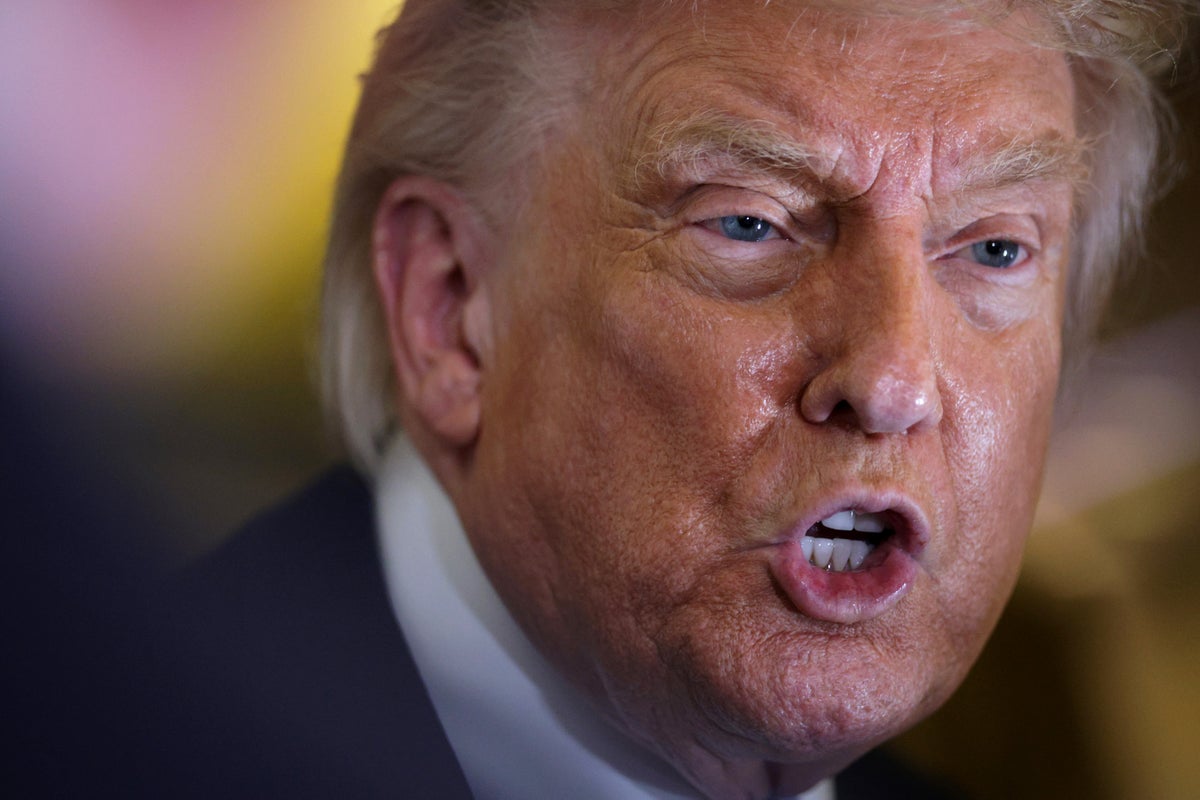
Cover image from independent.co.uk, which was analyzed for this article
President Trump signaled he will speak directly with Taiwan's president about stalled arms deals, a move that risks escalating tensions with China. Taiwan's leader welcomed the prospect of the call.
PoliticalOS
Thursday, May 21, 2026 — Politics
The core issue remains whether Trump will approve the already-cleared arms package and hold the proposed call, actions that test the balance between Taiwan's defense needs and relations with Beijing. Taiwan continues to request weapons and affirm the status quo; China continues to oppose both the sales and any official contact. Readers should track the actual decision on the package and whether any call occurs rather than assuming immediate policy rupture.
What outlets missed
Most coverage omitted that the 2016 Trump-Tsai call produced no sustained rupture in arms sales or diplomatic practice, a fact that directly tests claims of unprecedented risk today. Outlets also underplayed the procedural timeline: the $14 billion package received congressional approval in January 2025 and Taiwan separately approved a $25 billion defense budget to fund US purchases. Few noted that US policy documents explicitly bar Beijing from having any say over arms decisions, leaving readers without the full legal and historical frame for the current standoff.
Taiwan's security and US-China relations now hinge on whether President Trump approves a pending $14 billion arms package and follows through on a direct call with President Lai Ching-te. The United States has supplied Taiwan with defensive weapons under the 1979 Taiwan Relations Act and the Six Assurances, yet no sitting US president has spoken with a Taiwanese leader since Washington recognized Beijing in 1979. Trump stated on May 20 that he would speak with Lai and described the arms sale as a topic under review after his recent meeting with Xi Jinping. Lai's foreign ministry responded that he would welcome the conversation and use it to stress that Taiwan seeks to maintain the status quo while China has increased military activity around the island. A call remains unscheduled. Trump previously spoke with then-President Tsai Ing-wen as president-elect in 2016 without producing a lasting break in US-China ties or arms policy. China has opposed any official US-Taiwan contacts and arms transfers, with its foreign ministry urging Washington to act with prudence. Taiwan's defense minister noted continued optimism about purchases provided US policy stays unchanged. The package, already cleared by Congress, now awaits Trump's final decision.
More in Politics

Federal Agents Search Omar Home in Ongoing Immigration Probe
Homeland Security agents searched the Minnesota Democrat's DC residence in a criminal probe, prompting accusations of political intimidation from Omar and Democratic leaders. Coverage spans left-leaning outlets like NPR, BBC, and The Guardian alongside right-leaning criticism from The Federalist and Daily Wire.

Trump Diesel Import Plan Draws Pushback Over Russia Ties
The weekend agreement drew bipartisan congressional pushback and criticism from Ukraine's Zelenskyy, with analysts downplaying US fuel price impacts. Right-leaning outlets like National Review, Dispatch, and Washington Examiner questioned its legality and effectiveness.

Independents Test Voter Appetite for Middle Ground in 2026 Midterms
Nearly 200 independents are running in competitive races as voters weigh ballot measures on housing costs in states like Massachusetts. Left-leaning coverage from NYT, NPR, and Guardian highlights turnout and key races while right outlets focus on GOP strategy.
Trump Rallies in Alaska, Ohio to Bolster GOP Senate Candidates
The president rallied in Wasilla for Sen. Dan Sullivan and faced empty seats at an Ohio event amid midterm concerns. Outlets across the spectrum covered the trips as signals of GOP vulnerability weeks before Election Day.
The Compass
You just read five takes on one story.
What's your take? Find your political shape in a few minutes.
Take the test