
Trump White House Ballroom Project Raises Funding Questions
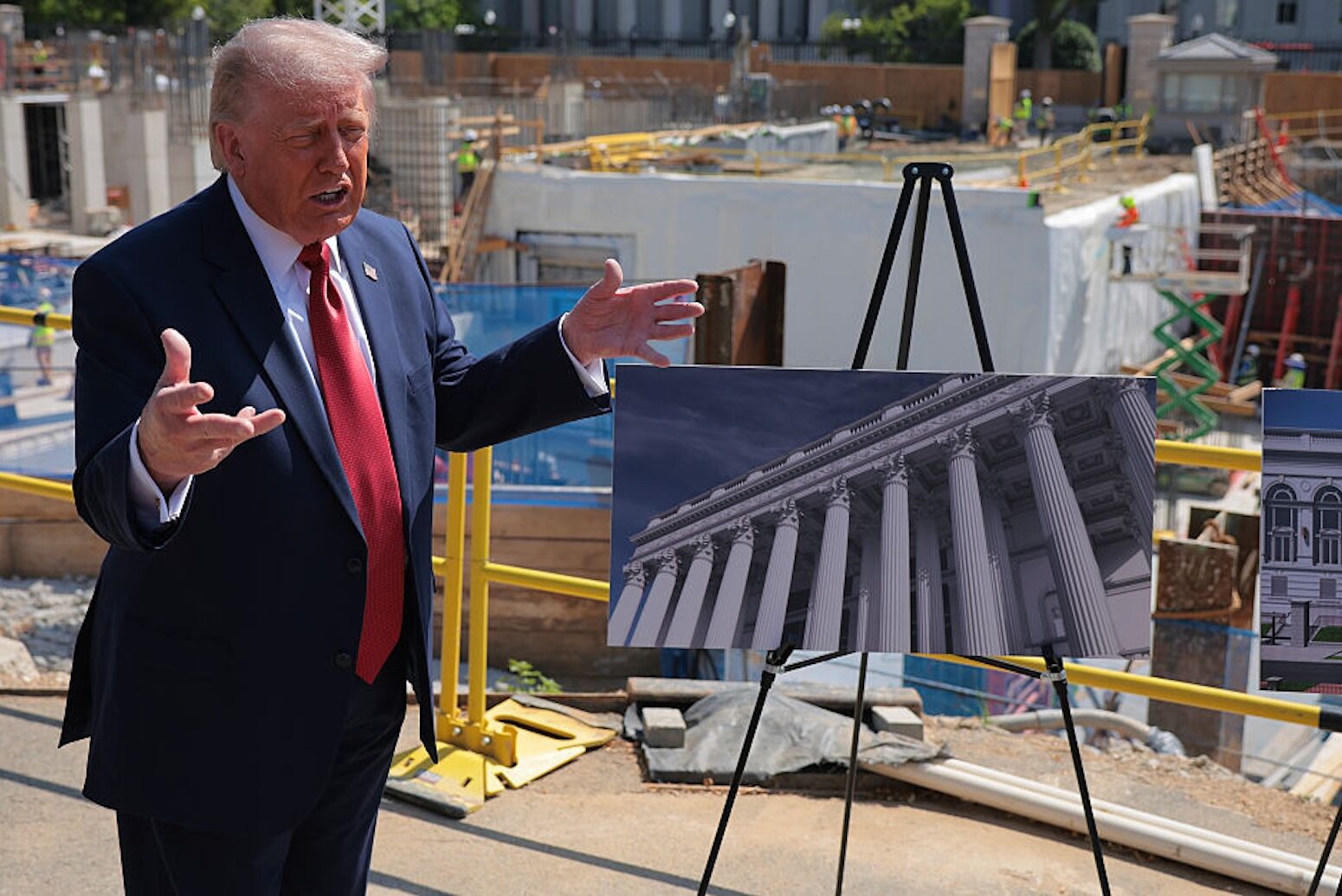
Cover image from salon.com, which was analyzed for this article
President Trump showcased ongoing construction of a new White House ballroom, claiming no taxpayer funds were used. Critics highlighted it as a symbol of excess amid broader spending controversies.
PoliticalOS
Wednesday, May 20, 2026 — Politics
The ballroom's funding remains unsettled between private pledges and past legislative attempts that were blocked on procedural grounds. Legal challenges and the need for congressional approval continue to shape whether and how the project proceeds.
What outlets missed
Most coverage downplayed the Senate parliamentarian's specific Byrd rule objection that removed a $1 billion security allocation from an immigration bill. Few accounts traced the documented shift between initial private-donor statements and later legislative attempts to secure public funds. Legal filings by preservationists and the exact procedural timeline for congressional approval also received limited detail across the pieces examined.
Construction of a new White House ballroom has drawn fresh attention to how the project will be paid for. President Trump presented the site to reporters on May 19 and described the effort as a lasting addition for future administrations rather than his own use. The $400 million price tag has prompted questions about whether private donors or public resources will cover the work.
The ballroom sits at the center of competing claims over financing. Trump has stated that no taxpayer money is involved and pointed to private contributions as the source. Other reporting has noted an earlier proposal to include $1 billion in security-related funding within a broader spending measure, a provision later blocked by the Senate parliamentarian under the Byrd rule. That ruling forced supporters to consider alternative paths, including renewed emphasis on private sources.
Preservation groups have filed lawsuits challenging the project on historic grounds and have continued those cases even after a Justice Department request to pause them. The cost estimate itself has risen from an initial $200 million figure, adding to scrutiny over scale and oversight. Congressional authorization remains an open requirement for any work that touches federal property or appropriations.
Reactions split along familiar lines. Some Republican lawmakers have explored ways to restore elements of the blocked funding, while Democrats have highlighted the expense amid other budget pressures. Trump has linked the new space to improved security, citing the recent White House Correspondents' Dinner shooting as an example of vulnerabilities the ballroom could address. No final resolution on either funding or legal challenges has been reached.
More in Politics

Federal Agents Search Omar Home in Ongoing Immigration Probe
Homeland Security agents searched the Minnesota Democrat's DC residence in a criminal probe, prompting accusations of political intimidation from Omar and Democratic leaders. Coverage spans left-leaning outlets like NPR, BBC, and The Guardian alongside right-leaning criticism from The Federalist and Daily Wire.

Trump Diesel Import Plan Draws Pushback Over Russia Ties
The weekend agreement drew bipartisan congressional pushback and criticism from Ukraine's Zelenskyy, with analysts downplaying US fuel price impacts. Right-leaning outlets like National Review, Dispatch, and Washington Examiner questioned its legality and effectiveness.

Independents Test Voter Appetite for Middle Ground in 2026 Midterms
Nearly 200 independents are running in competitive races as voters weigh ballot measures on housing costs in states like Massachusetts. Left-leaning coverage from NYT, NPR, and Guardian highlights turnout and key races while right outlets focus on GOP strategy.
Trump Rallies in Alaska, Ohio to Bolster GOP Senate Candidates
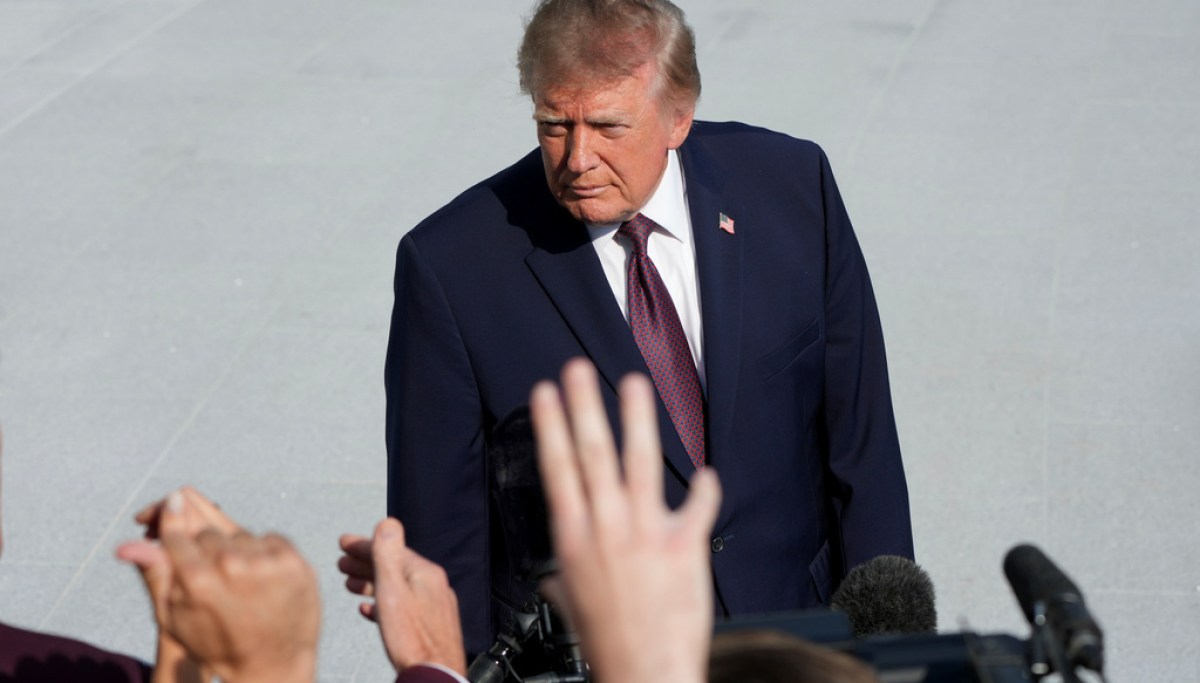
The president rallied in Wasilla for Sen. Dan Sullivan and faced empty seats at an Ohio event amid midterm concerns. Outlets across the spectrum covered the trips as signals of GOP vulnerability weeks before Election Day.
The Compass
You just read five takes on one story.
What's your take? Find your political shape in a few minutes.
Take the test