
Trump-Xi Summit Ends With Trade Claims but No Formal Deals
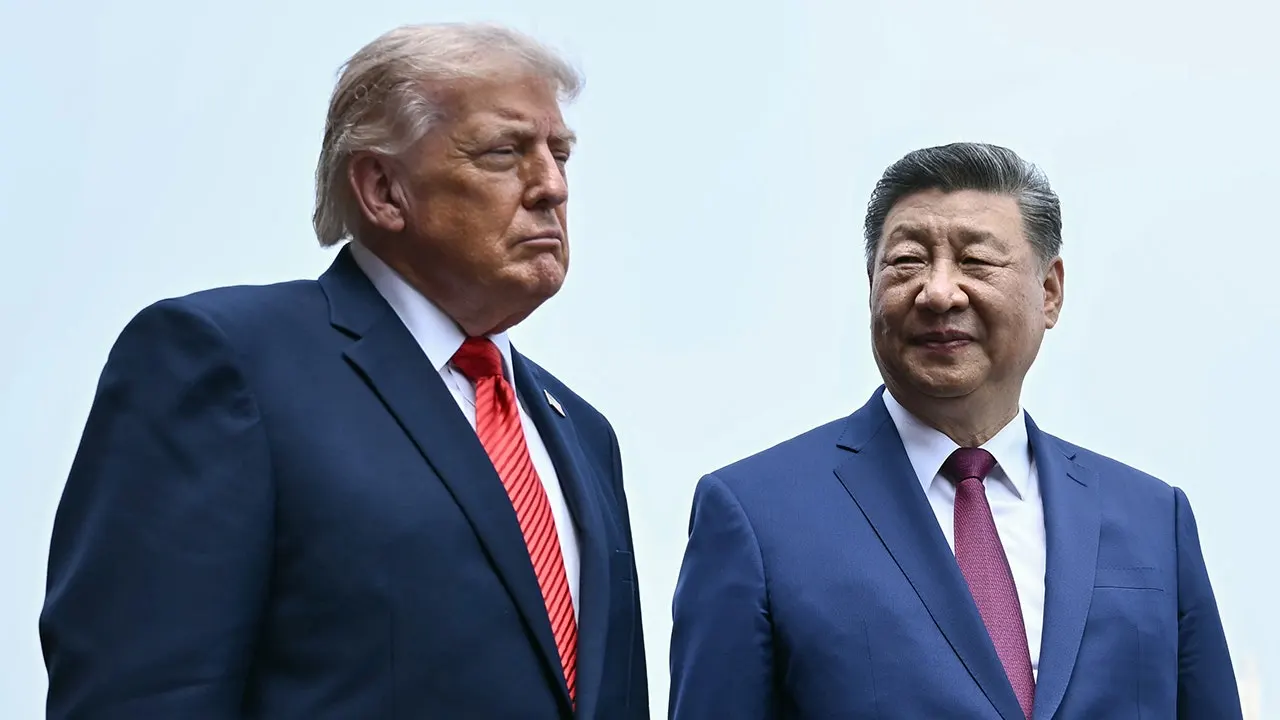
Cover image from foxnews.com, which was analyzed for this article
President Trump wrapped up his two-day summit with Xi Jinping amid discussions on trade, security, Taiwan, and technology exports. Trump touted 'fantastic trade deals' and progress, while no formal agreements were announced. Tech CEOs like Nvidia's Jensen Huang and Elon Musk attended key talks.
PoliticalOS
Friday, May 15, 2026 — Politics
The summit produced warm personal rhetoric and discussion of future mechanisms but yielded no announced agreements, leaving trade tensions, Taiwan sensitivities, and Iran-related energy concerns unresolved. Readers should treat specific purchase claims as unverified until confirmed by both governments or the companies involved.
What outlets missed
Several outlets underplayed the specific U.S. delegation composition, including Rubio, Hegseth, and Bessent alongside the CEOs, which clarified the breadth of topics covered. The rescheduling of the summit from March due to the Iran conflict was rarely noted, leaving the timing's connection to energy security unexamined. Market reactions, such as Boeing share movements after unconfirmed purchase claims, received little attention despite their relevance to verifying outcomes. Xi's reported interest in purchasing more U.S. oil to reduce Strait of Hormuz dependence appeared in only some accounts and was not cross-checked against Chinese energy needs.
President Trump concluded a two-day visit to Beijing on May 15, 2026, after meetings with Chinese President Xi Jinping that both sides described in positive terms even as concrete results remained limited. The talks addressed trade, technology exports, Taiwan, and the conflict involving Iran, with Trump emphasizing personal rapport and potential economic gains while Xi stressed stability and clear boundaries.
Trump told reporters the visit produced "fantastic trade deals" and called the trip "incredible," citing possible Chinese purchases of American aircraft, agricultural goods, and energy products. He also said China agreed to order 200 Boeing jets and would invest hundreds of billions of dollars alongside visiting U.S. executives. No formal agreements were signed or announced by either government, and Chinese officials responded with general statements about mutual benefit without confirming specific purchases. A proposed U.S.-China Board of Trade was discussed but requires further work.
The U.S. delegation included Treasury Secretary Scott Bessent, Secretary of State Marco Rubio, Defense Secretary Pete Hegseth, Trade Representative Jamieson Greer, and business leaders such as Elon Musk of Tesla, Tim Cook of Apple, and Jensen Huang of Nvidia. Huang joined later than planned, drawing attention to semiconductor issues. Xi hosted Trump at the Zhongnanhai compound and the Temple of Heaven, and Trump invited Xi and his wife to the White House in September.
Taiwan surfaced as a point of friction. Chinese readouts quoted Xi warning that mishandling the issue could lead to conflict, while U.S. accounts omitted the topic or noted that both sides restated longstanding positions. On Iran, Trump said the leaders agreed the Strait of Hormuz must remain open for energy flows and that Iran should never acquire nuclear weapons; Chinese statements called for a ceasefire and reopening of shipping lanes without detailing commitments.
The summit occurred against the backdrop of a tariff truce set to expire later in 2025 and ongoing U.S. export controls on advanced chips. Both leaders portrayed the meetings as constructive, yet the absence of announced breakthroughs left the scale of any progress unclear.
More in Politics

Federal Agents Search Omar Home in Ongoing Immigration Probe
Homeland Security agents searched the Minnesota Democrat's DC residence in a criminal probe, prompting accusations of political intimidation from Omar and Democratic leaders. Coverage spans left-leaning outlets like NPR, BBC, and The Guardian alongside right-leaning criticism from The Federalist and Daily Wire.

Trump Diesel Import Plan Draws Pushback Over Russia Ties
The weekend agreement drew bipartisan congressional pushback and criticism from Ukraine's Zelenskyy, with analysts downplaying US fuel price impacts. Right-leaning outlets like National Review, Dispatch, and Washington Examiner questioned its legality and effectiveness.

Independents Test Voter Appetite for Middle Ground in 2026 Midterms
Nearly 200 independents are running in competitive races as voters weigh ballot measures on housing costs in states like Massachusetts. Left-leaning coverage from NYT, NPR, and Guardian highlights turnout and key races while right outlets focus on GOP strategy.
Trump Rallies in Alaska, Ohio to Bolster GOP Senate Candidates
The president rallied in Wasilla for Sen. Dan Sullivan and faced empty seats at an Ohio event amid midterm concerns. Outlets across the spectrum covered the trips as signals of GOP vulnerability weeks before Election Day.
The Compass
You just read five takes on one story.
What's your take? Find your political shape in a few minutes.
Take the test