
Trump-Xi Summit Produces Preliminary Tariff Cuts and Farm Access
Cover image from cbsnews.com, which was analyzed for this article
The president returned from meetings with Xi Jinping with preliminary tariff cuts, improved farm access, and agreements to keep the Strait of Hormuz open amid ongoing Iran tensions.
PoliticalOS
Sunday, May 17, 2026 — Politics
The summit produced modest procedural steps on tariffs and farm access that both sides described differently, leaving core issues such as Taiwan and Iran largely unresolved. Readers should track whether the new bilateral boards deliver measurable increases in U.S. exports beyond existing commitments.
What outlets missed
Most coverage omitted the specific Chinese confirmation of five-year extensions for 425 U.S. beef facilities and registration of 77 new ones, a concrete step that directly addresses prior market-access blocks. Few outlets detailed the existing 25-million-metric-ton annual soybean purchase commitment that predates the summit and serves as the baseline for new agricultural expectations. The unverified claim of 200 Boeing aircraft plus General Electric engines appeared in U.S. statements but received no corroboration in Chinese ministry readouts, leaving its status as an aspirational target rather than a locked-in order. Discussions on maintaining Strait of Hormuz access amid Iran tensions received almost no attention despite appearing in the overall summit summary.
U.S. businesses and consumers stand to gain from lower costs on some imported goods and renewed access for American farm exports after President Trump returned from Beijing with preliminary agreements on tariffs and agriculture. The two-day meetings with Chinese President Xi Jinping also touched on keeping the Strait of Hormuz open during tensions with Iran, though details remain sparse. These steps come amid a broader trade relationship still shaped by prior tariffs and non-tariff barriers that have reduced bilateral flows for years.
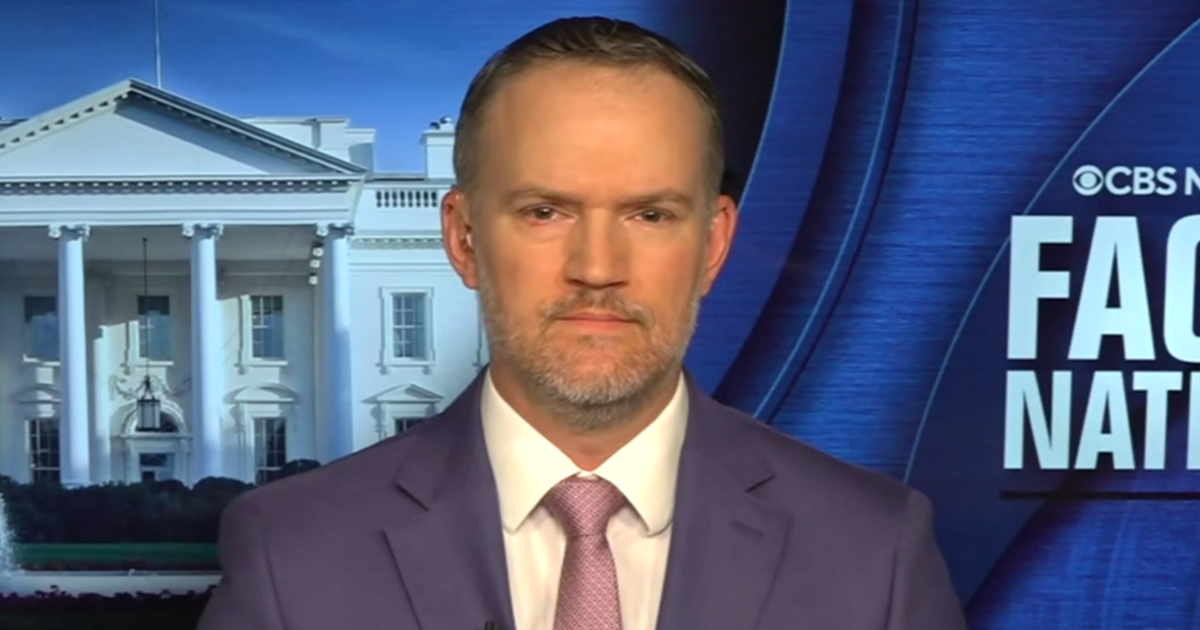
The central tension lies in mismatched descriptions of what was actually achieved. U.S. Trade Representative Jamieson Greer told CBS News that new bilateral boards on trade and investment will manage non-sensitive goods, that China has already extended registrations for 425 U.S. beef plants, and that Washington expects double-digit increases in agricultural purchases over three years on top of an existing annual soybean commitment of 25 million metric tons. Chinese commerce ministry statements, reported by Newsmax, described tariff reductions on products of mutual concern and progress on farm market access as preliminary understandings to be finalized later, without naming specific volumes or timelines. Trump claimed commitments for 200 Boeing aircraft plus engines, yet Chinese readouts omitted those figures and analysts noted the absence of delivery schedules.
Taiwan surfaced in extended private talks, according to Trump, who said he discussed pending arms sales and described the status quo as acceptable to Beijing for now. No public breakthrough emerged on Iran beyond general observations that the current conflict should not have started. Both governments agreed to continue dialogue through the new boards rather than immediate broad tariff rollbacks. The gap between U.S. emphasis on forward momentum and Chinese stress on tentative steps leaves the durability of these understandings to be tested in follow-up meetings, including a potential Xi visit to Washington in September.
More in Politics

Federal Agents Search Omar Home in Ongoing Immigration Probe
Homeland Security agents searched the Minnesota Democrat's DC residence in a criminal probe, prompting accusations of political intimidation from Omar and Democratic leaders. Coverage spans left-leaning outlets like NPR, BBC, and The Guardian alongside right-leaning criticism from The Federalist and Daily Wire.

Trump Diesel Import Plan Draws Pushback Over Russia Ties
The weekend agreement drew bipartisan congressional pushback and criticism from Ukraine's Zelenskyy, with analysts downplaying US fuel price impacts. Right-leaning outlets like National Review, Dispatch, and Washington Examiner questioned its legality and effectiveness.

Independents Test Voter Appetite for Middle Ground in 2026 Midterms
Nearly 200 independents are running in competitive races as voters weigh ballot measures on housing costs in states like Massachusetts. Left-leaning coverage from NYT, NPR, and Guardian highlights turnout and key races while right outlets focus on GOP strategy.
Trump Rallies in Alaska, Ohio to Bolster GOP Senate Candidates
The president rallied in Wasilla for Sen. Dan Sullivan and faced empty seats at an Ohio event amid midterm concerns. Outlets across the spectrum covered the trips as signals of GOP vulnerability weeks before Election Day.
The Compass
You just read five takes on one story.
What's your take? Find your political shape in a few minutes.
Take the test