
Trump-Xi Summit Yields Preliminary Trade Pledges, Markets Slide

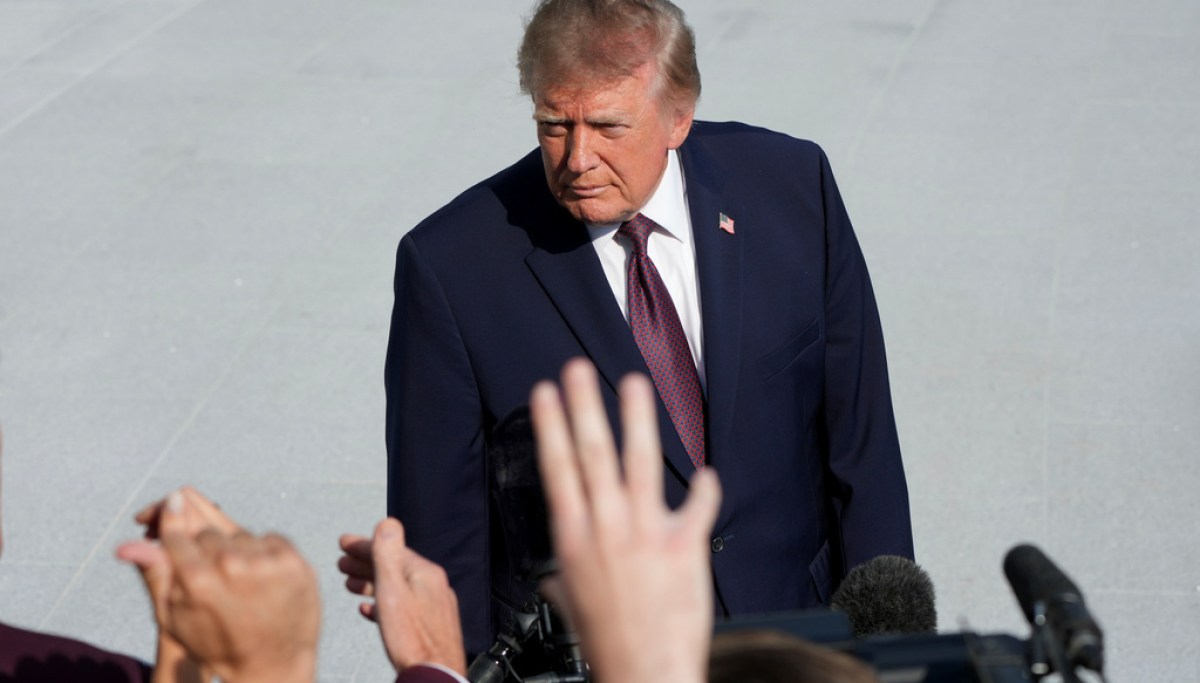
Cover image from latimes.com, which was analyzed for this article
President Trump called the Beijing meeting a historic moment, but lack of concrete tariff or trade details triggered stock declines and fresh worries for American farmers. Left-leaning and center outlets highlight economic fallout while right-leaning coverage emphasizes diplomatic optics.
PoliticalOS
Sunday, May 17, 2026 — Politics
The summit produced new negotiating structures and limited market-access steps but no finalized tariff reductions or purchase volumes. Markets reacted to that absence of detail, while farmers still face existing duties whose relief depends on talks that have only just been formalized.
What outlets missed
Most coverage omitted prior-year USDA data showing a 65.7 percent drop in U.S. farm exports to China during the previous tariff period, which would have quantified the scale of any new market-access steps. Few outlets reported the exact number of beef-plant registrations China approved or the five-year duration of those extensions. Little attention was given to the administration’s separate claim of a potential 200-plane Boeing purchase or to the fact that Trump stated tariffs were never discussed during the meetings themselves.
President Trump returned from Beijing describing his meetings with Chinese leader Xi Jinping as a historic step toward stable relations, yet the absence of firm numbers on tariff cuts or new farm purchases left investors uneasy and American agricultural exporters facing continued uncertainty. Stocks fell after the trip as traders found little to justify earlier optimism about rapid relief from existing duties. The two governments issued differing accounts of what had been achieved, with Beijing stressing that understandings remained preliminary and Washington highlighting personal rapport and future boards for negotiation.
The summit produced agreements in principle to create trade and investment boards that would seek reciprocal tariff reductions on specific goods, including agricultural products still facing an extra 10 percent duty from prior rounds. China also extended five-year registrations to 425 U.S. beef plants and added 77 more, easing one long-standing barrier. No volumes, timelines, or dollar targets were set. U.S. Trade Representative Jamieson Greer later said Beijing is expected to purchase double-digit billions of dollars in American farm goods over three years, while Trump separately mentioned a possible 200-plane Boeing order whose delivery schedule remains unclear.
Those gaps mattered immediately to markets. Major indexes declined on the lack of concrete deliverables, reviving concerns that farmers would continue to absorb the cost of unresolved duties. Trump told reporters aboard Air Force One that tariffs had not even been discussed during the visit, a statement that stood in contrast to the Chinese commerce ministry’s description of ongoing talks. The president framed the two-day stay as relationship-building and invited Xi to the White House in September for further review.
Chinese officials portrayed the atmosphere as businesslike rather than personal. They noted that Xi had been “all business” in private sessions and that Beijing had offered no major new concessions. Trump, by contrast, repeatedly called Xi a friend in public remarks and described the encounter as the start of greater cooperation. Taiwan was discussed at length, with Trump reiterating that any Chinese attack would be met harshly while also advising both sides to “cool it.”
The mixed signals left American farmers and exporters without clear guidance on when or whether duties would ease. Past tariff rounds had already cut U.S. agricultural shipments to China sharply; the new registration steps for beef plants reopen one channel but do not address the broader 10 percent surcharge still in place. Analysts said the next concrete test will come when negotiators from the newly proposed trade board begin assigning specific products and numbers.
White House officials pointed to the creation of formal mechanisms and the invitation for a September follow-up as evidence that the relationship is moving forward. Chinese statements emphasized that any final steps must still be completed and implemented. The gap between those descriptions continues to shape how markets and producers assess the summit’s practical effect.
More in Politics

Federal Agents Search Omar Home in Ongoing Immigration Probe
Homeland Security agents searched the Minnesota Democrat's DC residence in a criminal probe, prompting accusations of political intimidation from Omar and Democratic leaders. Coverage spans left-leaning outlets like NPR, BBC, and The Guardian alongside right-leaning criticism from The Federalist and Daily Wire.

Trump Diesel Import Plan Draws Pushback Over Russia Ties
The weekend agreement drew bipartisan congressional pushback and criticism from Ukraine's Zelenskyy, with analysts downplaying US fuel price impacts. Right-leaning outlets like National Review, Dispatch, and Washington Examiner questioned its legality and effectiveness.

Independents Test Voter Appetite for Middle Ground in 2026 Midterms
Nearly 200 independents are running in competitive races as voters weigh ballot measures on housing costs in states like Massachusetts. Left-leaning coverage from NYT, NPR, and Guardian highlights turnout and key races while right outlets focus on GOP strategy.
Trump Rallies in Alaska, Ohio to Bolster GOP Senate Candidates
The president rallied in Wasilla for Sen. Dan Sullivan and faced empty seats at an Ohio event amid midterm concerns. Outlets across the spectrum covered the trips as signals of GOP vulnerability weeks before Election Day.
The Compass
You just read five takes on one story.
What's your take? Find your political shape in a few minutes.
Take the test