
Trump-Xi Beijing Summit Tests Trade, Taiwan, Iran Ties
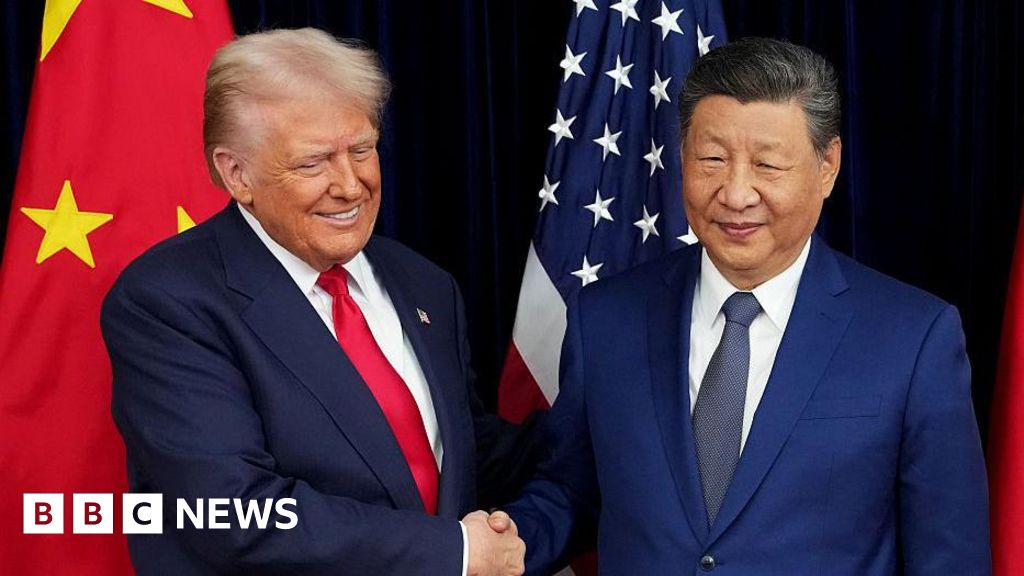
Cover image from bbc.com, which was analyzed for this article
Trump travels to China for talks with Xi on trade, currency, and tensions heightened by Iran war, joined by CEOs like Musk and Cook. Discussions may cover dollar dominance, Taiwan arms, and economic issues. Expectations focus on potential deals amid global turmoil.
PoliticalOS
Monday, May 11, 2026 — Politics
The summit arrives with real economic pressure from the Iran conflict and longstanding disagreements over Taiwan and trade enforcement. Outcomes will depend on whether limited purchase deals can be reached without shifting U.S. positions on arms sales or sanctions, a balance few outlets fully quantified.
What outlets missed
Most coverage omitted the documented postponement of at least two Taiwan arms packages in February and March 2026, which several officials linked directly to pre-summit optics. Few outlets specified the exact count of 17 CEOs traveling or noted that some meeting requests were declined. Human-rights cases involving Pastor Ezra Jin and Jimmy Lai received almost no mention outside advocacy-focused pieces, despite Trump's prior public pledges to raise them. The fiscal impact of a gas-tax suspension on the Highway Trust Fund was rarely quantified despite its relevance to any congressional debate.
High gasoline prices, unresolved fighting in Iran and fragile supply chains give the coming days unusual weight for American households and businesses. President Trump arrives in Beijing on Wednesday for a two-day meeting with Chinese President Xi Jinping, the first such presidential visit in nearly a decade. The agenda includes trade imbalances, currency practices, arms sales to Taiwan and Beijing's purchases of Iranian oil that have continued despite U.S. sanctions.
White House officials have described the trip as an opportunity to lock in purchase commitments from American companies. Seventeen chief executives, including Tesla's Elon Musk, Apple's Tim Cook, BlackRock's Larry Fink and Boeing's Kelly Ortberg, are traveling with the president, according to a White House official cited by The Guardian. Earlier reporting from Reuters and CNBC indicated a somewhat smaller group after some executives were asked not to attend amid the Iran conflict.
Taiwan remains a persistent point of friction. Trump told reporters on May 11 that he will discuss U.S. arms sales to the island with Xi, noting that Beijing opposes the transfers. The United States is legally obligated under the Taiwan Relations Act to assist Taiwan's defense; Trump announced an $11 billion weapons package last December. Several outlets noted that at least two additional packages were postponed earlier this year to reduce friction ahead of the summit, a detail absent from some wire-service accounts.
The Iran war adds another layer. Blockades and attacks in the Strait of Hormuz have lifted average U.S. gasoline prices above $4.50 a gallon, according to AAA data. Trump has said he wants to suspend the federal gas tax temporarily, an action that would require congressional approval. Treasury Secretary Scott Bessent has urged China to help reopen the strait, while Beijing has responded to U.S. sanctions on Chinese refiners by invoking its blocking statute for the first time.
Human-rights advocates are pressing Trump to raise specific cases during the talks. Pastor Ezra Jin of the Zion Church remains detained without formal charges since October, and Hong Kong publisher Jimmy Lai is serving a 20-year sentence. Trump has previously said he would mention both men, according to family statements reported by the Christian Post and Fox News.
Expectations for concrete outcomes remain modest. Past tariff pauses agreed in October 2025 have not produced a permanent framework, and China continues to invest heavily in domestic semiconductor production and robotics. The summit will test whether personal diplomacy can produce verifiable purchase agreements and limited cooperation on artificial-intelligence safety without altering long-standing U.S. positions on Taiwan or Iran.
More in Politics

Federal Agents Search Omar Home in Ongoing Immigration Probe
Homeland Security agents searched the Minnesota Democrat's DC residence in a criminal probe, prompting accusations of political intimidation from Omar and Democratic leaders. Coverage spans left-leaning outlets like NPR, BBC, and The Guardian alongside right-leaning criticism from The Federalist and Daily Wire.

Trump Diesel Import Plan Draws Pushback Over Russia Ties
The weekend agreement drew bipartisan congressional pushback and criticism from Ukraine's Zelenskyy, with analysts downplaying US fuel price impacts. Right-leaning outlets like National Review, Dispatch, and Washington Examiner questioned its legality and effectiveness.

Independents Test Voter Appetite for Middle Ground in 2026 Midterms
Nearly 200 independents are running in competitive races as voters weigh ballot measures on housing costs in states like Massachusetts. Left-leaning coverage from NYT, NPR, and Guardian highlights turnout and key races while right outlets focus on GOP strategy.
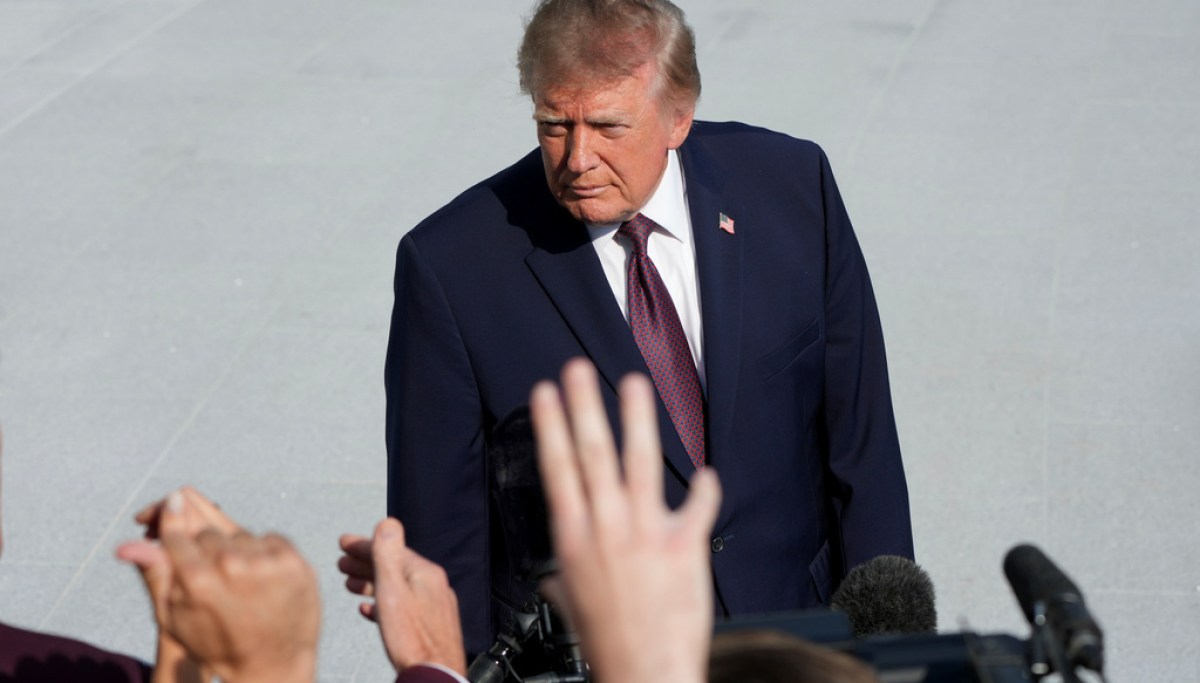
Trump Rallies in Alaska, Ohio to Bolster GOP Senate Candidates
The president rallied in Wasilla for Sen. Dan Sullivan and faced empty seats at an Ohio event amid midterm concerns. Outlets across the spectrum covered the trips as signals of GOP vulnerability weeks before Election Day.
The Compass
You just read five takes on one story.
What's your take? Find your political shape in a few minutes.
Take the test