
Trump-Xi Summit Yields Trade Pledges, Leaves Taiwan Unresolved
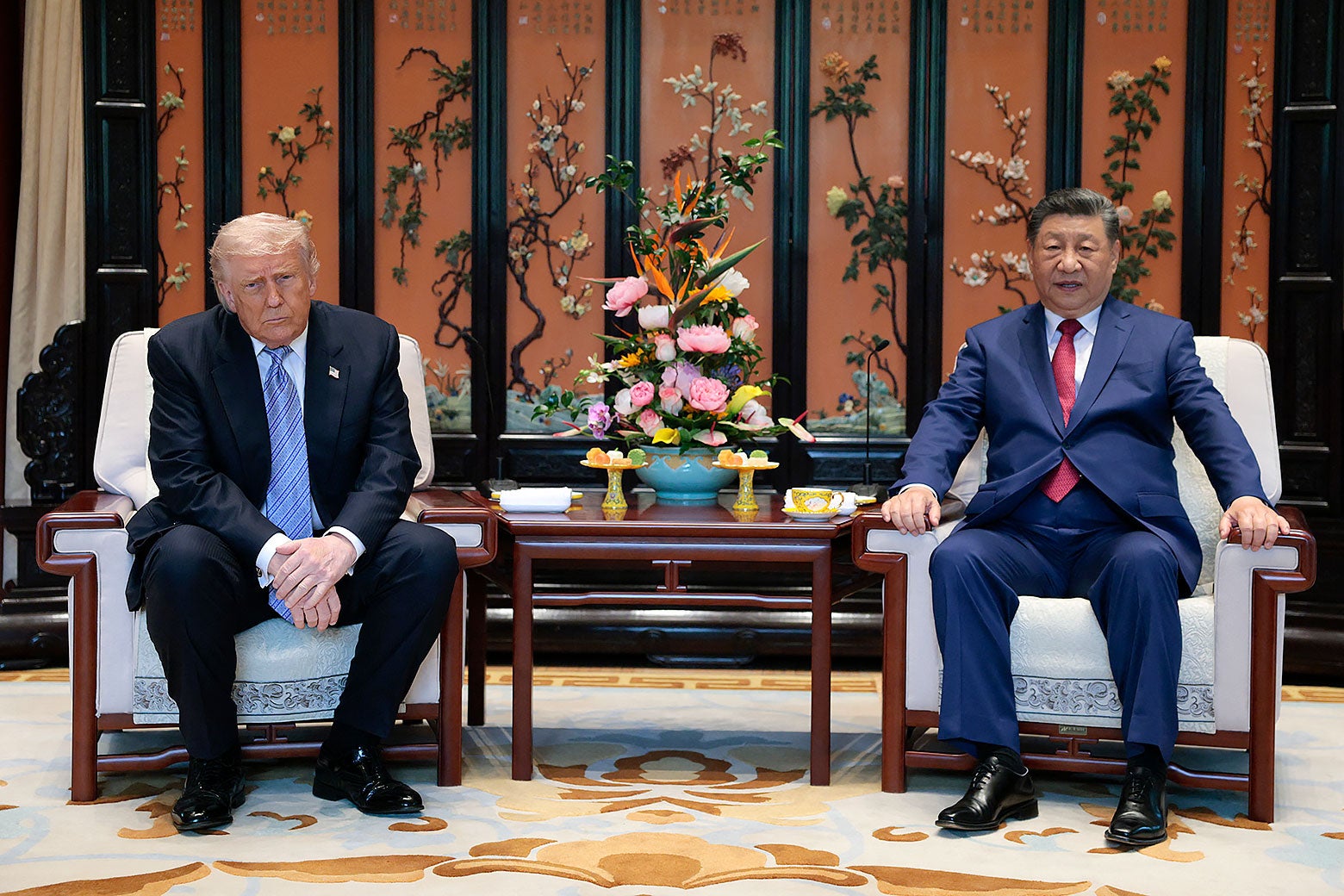
Cover image from slate.com, which was analyzed for this article
President Trump returned from Beijing with commitments for major Chinese purchases of US agricultural goods and Boeing aircraft. No breakthroughs occurred on Taiwan security or Iran-related issues.
PoliticalOS
Saturday, May 16, 2026 — Politics
The summit produced concrete but limited trade commitments on aircraft and farm goods while leaving Taiwan arms sales and broader security questions unresolved. Readers should note that U.S. policy on strategic ambiguity stayed intact and that follow-up meetings were scheduled, even as several economic friction points remain open.
What outlets missed
Several outlets omitted the specific Boeing order size of 200 aircraft with a conditional path to 750, a detail that appeared in White House remarks and affected market reaction. Most reporting also left out the confirmed scheduling of Xi’s future White House visit, which established a concrete follow-up mechanism regardless of immediate trade results. Few accounts placed the 245,000 acres of Chinese-owned U.S. farmland against total foreign holdings, where Canada alone accounts for more than 15 million acres, leaving scale unaddressed.
President Trump returned from Beijing after two days of meetings with Chinese leader Xi Jinping carrying commitments for Chinese purchases of American farm goods and Boeing aircraft. The agreements fell short of earlier expectations for a sweeping trade reset, while discussions on Taiwan produced no new security arrangements and left a pending $14 billion U.S. arms package for the island undecided.
Xi opened the talks by placing Taiwan at the top of his agenda and warned that mishandling the issue risked clashes or conflict. Trump later told reporters he had discussed the arms sale in detail with Xi, described it as a potential negotiating chip, and said he would decide in coming days whether to proceed. He also stated that long-standing U.S. policy of strategic ambiguity remained unchanged and urged both sides to avoid escalation.
Separate readouts from the two governments diverged on other topics. The White House reported agreement that Iran should not acquire nuclear weapons and that the Strait of Hormuz should reopen; the Chinese account mentioned only general discussion of Middle East issues. No joint statement addressed limits on artificial intelligence or China’s support for Russia in Ukraine. Trump brought along executives from Boeing, Nvidia, Apple and other firms, yet only the Boeing aircraft interest received public mention, with an initial order of 200 planes cited alongside the possibility of future purchases reaching 750.
The absence of a formal tariff truce extension or resolution on rare-earth export controls left several economic friction points untouched. Both leaders described the meetings as constructive, and Xi accepted an invitation to visit the White House later in the year. No breakthroughs emerged on fentanyl precursor flows or expanded Chinese investment in U.S. industries beyond general pledges to form working groups.
More in Politics

Federal Agents Search Omar Home in Ongoing Immigration Probe
Homeland Security agents searched the Minnesota Democrat's DC residence in a criminal probe, prompting accusations of political intimidation from Omar and Democratic leaders. Coverage spans left-leaning outlets like NPR, BBC, and The Guardian alongside right-leaning criticism from The Federalist and Daily Wire.

Trump Diesel Import Plan Draws Pushback Over Russia Ties
The weekend agreement drew bipartisan congressional pushback and criticism from Ukraine's Zelenskyy, with analysts downplaying US fuel price impacts. Right-leaning outlets like National Review, Dispatch, and Washington Examiner questioned its legality and effectiveness.

Independents Test Voter Appetite for Middle Ground in 2026 Midterms
Nearly 200 independents are running in competitive races as voters weigh ballot measures on housing costs in states like Massachusetts. Left-leaning coverage from NYT, NPR, and Guardian highlights turnout and key races while right outlets focus on GOP strategy.
Trump Rallies in Alaska, Ohio to Bolster GOP Senate Candidates
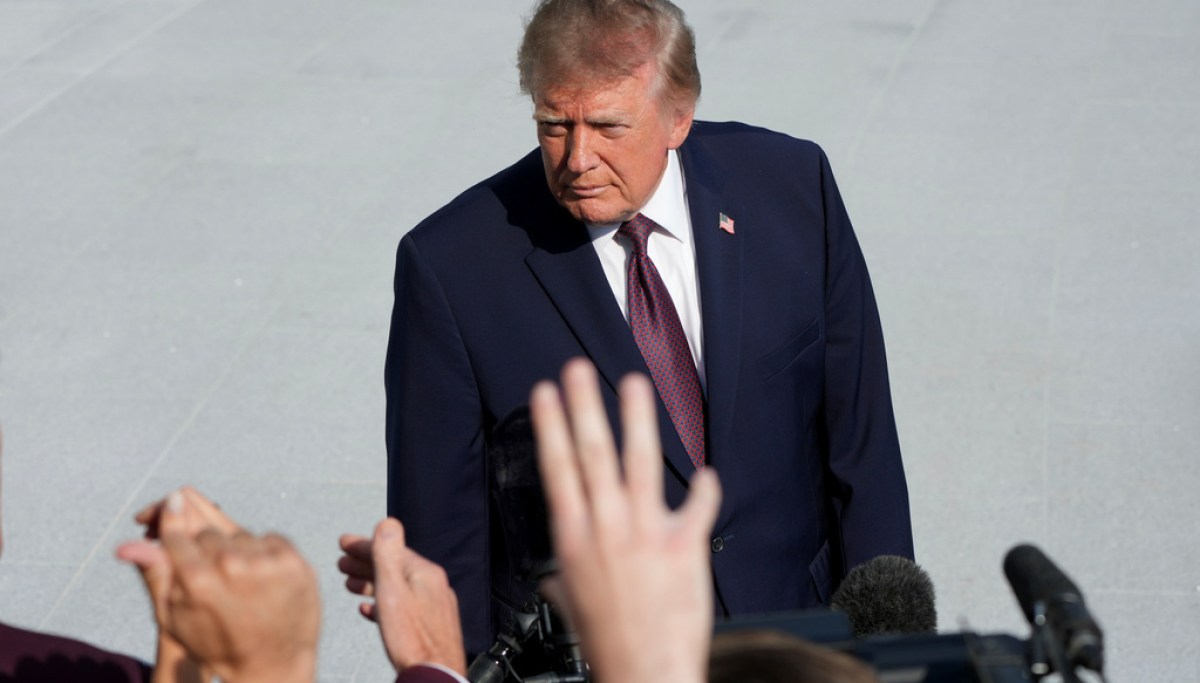
The president rallied in Wasilla for Sen. Dan Sullivan and faced empty seats at an Ohio event amid midterm concerns. Outlets across the spectrum covered the trips as signals of GOP vulnerability weeks before Election Day.
The Compass
You just read five takes on one story.
What's your take? Find your political shape in a few minutes.
Take the test