
US Charges Sinaloa Governor with Aiding Cartel Fentanyl Pipeline
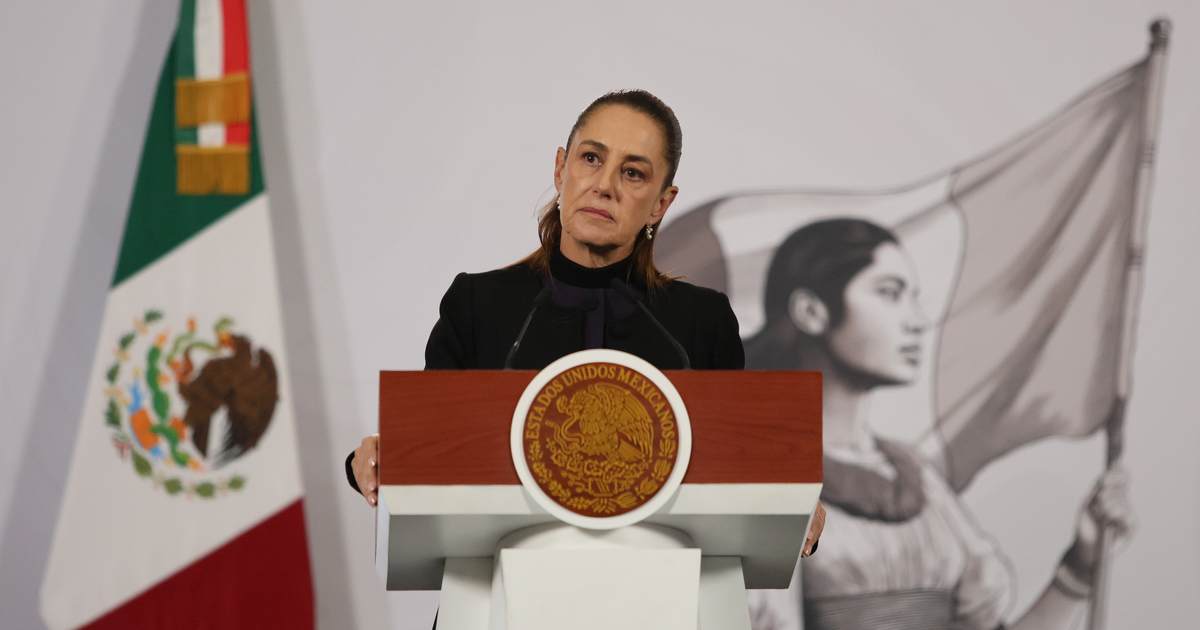
Cover image from pjmedia.com, which was analyzed for this article
Federal prosecutors indicted a Mexican state governor and associates tied to the Sinaloa cartel on drug trafficking charges in a major cross-border operation. The case exposes high-level corruption enabling narcotics flow into the US. It signals intensified US efforts against cartel influence in Mexican politics.
PoliticalOS
Thursday, April 30, 2026 — Politics
The United States has directly accused a sitting Mexican governor and nine other officials of protecting and enabling the Sinaloa Cartel faction responsible for much of the fentanyl killing tens of thousands of Americans annually. Rocha Moya denies every allegation, calling the case an attack on Mexican sovereignty, while Mexico says it will conduct its own review before any extradition. The single most important reality is that this indictment escalates the conflict from targeting cartel operatives to charging the politicians allegedly shielding them — a move with profound implications for bilateral trust and the future of cross-border drug enforcement.
What outlets missed
Both outlets underplayed that this was a superseding indictment expanding a 2023 case rather than a wholly new investigation, diminishing the incremental nature of the charges. France 24 omitted Rocha Moya's direct denial and his affiliation with the ruling Morena party, which frames the political stakes in Mexico City. PJ Media mischaracterized Mexico's response by claiming officials confirmed "enough evidence" for extradition when the Foreign Ministry actually stated it would independently assess evidence under Mexican law; the piece also failed to note Mexico's announcement of its own parallel probe into the governor. Neither gave full detail on the specific kidnapping and murder charges against the former police commander involving a DEA source, nor the exact mechanics of how officials allegedly supplied state resources like police radios to the cartel.
US authorities have indicted a sitting Mexican state governor on charges he helped the Sinaloa Cartel flood the United States with fentanyl, heroin, cocaine and methamphetamine, exposing the depth of alleged official corruption that protects one of the world's most violent drug organizations. The case, unsealed April 29, 2026 in Brooklyn federal court, accuses Rubén Rocha Moya — governor of Sinaloa since 2021 — and nine other current or former Mexican officials of taking millions in bribes, shielding cartel members from prosecution, leaking law-enforcement intelligence and supplying state resources such as police vehicles and radios. Among those charged are a sitting senator, the mayor of Culiacán, a deputy state attorney general and a former police commander nicknamed "Juanito," who faces additional counts tied to the kidnapping and killing of a DEA informant and the informant's relative.
The indictment, a superseding filing to a 2023 case, describes Sinaloa state as the geographic heart of the global narcotics trade and focuses on the cartel faction led by the sons of Joaquín "El Chapo" Guzmán. Prosecutors say the officials enabled the organization to move massive drug shipments across the border while evading capture. All defendants face potential life sentences; most carry a mandatory minimum of 40 years. U.S. Attorney Jay Clayton stated the cartel "would not operate as freely or successfully without corrupt politicians and law enforcement officials on their payroll," adding that the charges send a message that no official is beyond reach.
Rocha Moya immediately rejected the allegations. In a statement posted on X, he called them "baseless" and lacking "any truth or foundation whatsoever," framing the indictment as an attack on Mexico's sovereignty and the "Fourth Transformation" political movement led by former President Andrés Manuel López Obrador and current President Claudia Sheinbaum. Rocha belongs to their Morena party. The Mexican Foreign Ministry confirmed it had received extradition requests but said its Attorney General’s Office would first evaluate whether sufficient evidence exists under Mexican law to proceed — a standard process that stops short of endorsing the U.S. claims. Mexico has also announced its own separate investigation into the governor.
The action follows recent U.S. Treasury sanctions on 23 individuals and entities tied to the cartel's synthetic opioid network and visa restrictions on 75 associates. No arrests have been reported. While some coverage described the indictment of a sitting governor as unprecedented, other outlets characterized it only as rare; the precise historic precedent could not be independently verified across all sources. The case lays bare the central tension in U.S.-Mexico counternarcotics efforts: American prosecutors increasingly target Mexican political figures they accuse of enabling the flow of deadly drugs, while Mexican officials decry such moves as violations of national sovereignty. Whether Rocha or any co-defendant will ever stand trial in the United States remains an open and diplomatically delicate question.
More in Politics

Federal Agents Search Omar Home in Ongoing Immigration Probe
Homeland Security agents searched the Minnesota Democrat's DC residence in a criminal probe, prompting accusations of political intimidation from Omar and Democratic leaders. Coverage spans left-leaning outlets like NPR, BBC, and The Guardian alongside right-leaning criticism from The Federalist and Daily Wire.

Trump Diesel Import Plan Draws Pushback Over Russia Ties
The weekend agreement drew bipartisan congressional pushback and criticism from Ukraine's Zelenskyy, with analysts downplaying US fuel price impacts. Right-leaning outlets like National Review, Dispatch, and Washington Examiner questioned its legality and effectiveness.

Independents Test Voter Appetite for Middle Ground in 2026 Midterms
Nearly 200 independents are running in competitive races as voters weigh ballot measures on housing costs in states like Massachusetts. Left-leaning coverage from NYT, NPR, and Guardian highlights turnout and key races while right outlets focus on GOP strategy.
Trump Rallies in Alaska, Ohio to Bolster GOP Senate Candidates
The president rallied in Wasilla for Sen. Dan Sullivan and faced empty seats at an Ohio event amid midterm concerns. Outlets across the spectrum covered the trips as signals of GOP vulnerability weeks before Election Day.
The Compass
You just read five takes on one story.
What's your take? Find your political shape in a few minutes.
Take the test