
Trump announces tentative US-Iran ceasefire, Strait reopening set for June 19

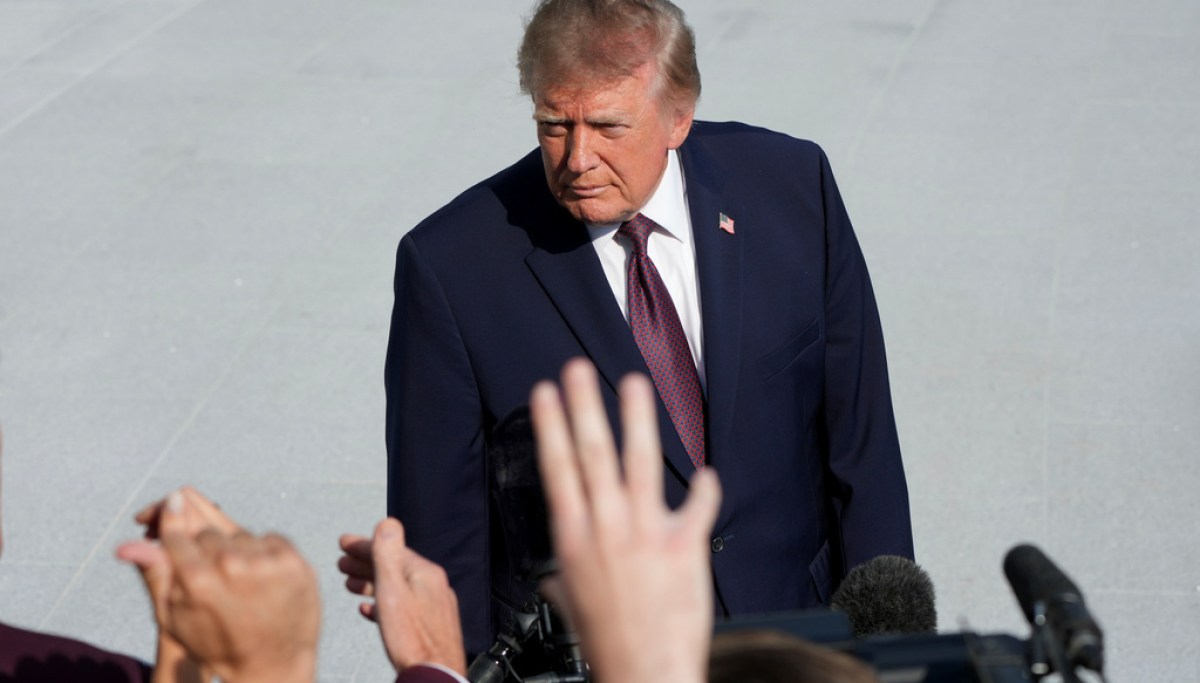
Cover image from cnbc.com, which was analyzed for this article
President Trump announced a tentative peace deal with Iran to end months of conflict, reopen the Strait of Hormuz, and lift the US naval blockade, with formal signing planned for June 19 in Switzerland. Coverage spans reactions from world leaders, oil price drops, and remaining nuclear talks. Outlets from across the spectrum highlight both relief and skepticism.
PoliticalOS
Sunday, May 24, 2026 — Politics
The announced framework halts active fighting and reopens a critical oil route, yet leaves the nuclear program, sanctions relief, and Israeli operations in Lebanon for further negotiation. Verification of core claims remains limited to statements from the parties involved.
What outlets missed
Most coverage omitted the scale of casualties—thousands killed, concentrated in Iran and Lebanon—since the conflict began on February 28. Few outlets examined the absence of any provisions on Iran’s ballistic missiles or proxy networks despite repeated US statements during the war that these were core targets. The reported $25 billion asset release and possible maritime fees were presented without noting that neither claim has been confirmed by US officials or independent verification.
Months of fighting between the United States and Iran have disrupted shipping lanes that carry one-fifth of global oil supplies and driven fuel prices higher across multiple continents. A framework agreement announced Sunday by President Trump and Pakistani Prime Minister Shehbaz Sharif offers an immediate halt to military operations on all fronts, including Lebanon, followed by formal signing of a memorandum of understanding in Switzerland on June 19.
The memorandum would trigger a 60-day period of technical talks focused on Iran’s nuclear program, sanctions relief, and related issues. Trump stated on Truth Social that the Strait of Hormuz would open toll-free once the memorandum is signed and that the US naval blockade of Iranian ports would end at the same time. Iran’s Supreme National Security Council secretariat confirmed the permanent end to operations starting Monday night. Iranian Deputy Foreign Minister Kazem Gharibabadi said negotiators would seek sanctions relief during the follow-on period.
Oil prices fell more than 4 percent on Monday after the announcement. European leaders from Britain, France, Germany, and Italy issued a joint statement welcoming the development while insisting on “clear, verifiable steps” by Iran to limit its nuclear program. Israeli officials have not endorsed the Lebanon provisions; Prime Minister Benjamin Netanyahu has not commented publicly, and Defense Minister Israel Katz stated that Israeli forces would remain in security zones in Lebanon for an unlimited period.
Details of the draft memorandum remain limited. One Iranian official told Reuters the United States had agreed to release $25 billion in frozen assets, a figure that has not been corroborated by US statements. Reports from Iran’s Mehr agency described possible maritime service fees on shipping through the strait, which the United States has rejected. Nuclear talks will address dilution of Iran’s highly enriched uranium stockpile and new monitoring measures; experts have noted that reaching a comprehensive agreement on these issues within 60 days is unlikely.
Thousands of people have been killed in the conflict since US and Israeli forces first struck Iran on February 28, with the majority of deaths occurring in Iran and Lebanon. The agreement does not address Iran’s ballistic missile program or its support for regional allies, according to multiple reports. Lindsey Graham, the Republican senator from South Carolina, said any final nuclear deal would be submitted to Congress for review.
More in Politics

Federal Agents Search Omar Home in Ongoing Immigration Probe
Homeland Security agents searched the Minnesota Democrat's DC residence in a criminal probe, prompting accusations of political intimidation from Omar and Democratic leaders. Coverage spans left-leaning outlets like NPR, BBC, and The Guardian alongside right-leaning criticism from The Federalist and Daily Wire.

Trump Diesel Import Plan Draws Pushback Over Russia Ties
The weekend agreement drew bipartisan congressional pushback and criticism from Ukraine's Zelenskyy, with analysts downplaying US fuel price impacts. Right-leaning outlets like National Review, Dispatch, and Washington Examiner questioned its legality and effectiveness.

Independents Test Voter Appetite for Middle Ground in 2026 Midterms
Nearly 200 independents are running in competitive races as voters weigh ballot measures on housing costs in states like Massachusetts. Left-leaning coverage from NYT, NPR, and Guardian highlights turnout and key races while right outlets focus on GOP strategy.
Trump Rallies in Alaska, Ohio to Bolster GOP Senate Candidates
The president rallied in Wasilla for Sen. Dan Sullivan and faced empty seats at an Ohio event amid midterm concerns. Outlets across the spectrum covered the trips as signals of GOP vulnerability weeks before Election Day.
The Compass
You just read five takes on one story.
What's your take? Find your political shape in a few minutes.
Take the test