
US-Iran Ceasefire at Risk as Tanker Seizure Clouds Pakistan Talks
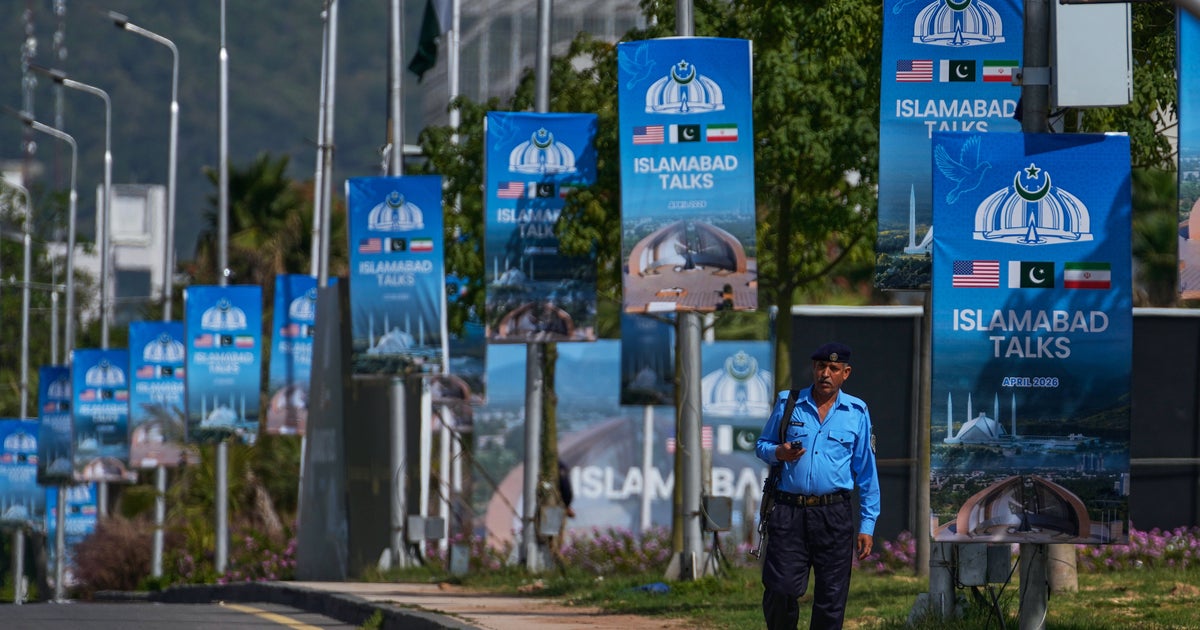
Cover image from huffpost.com, which was analyzed for this article
As the fragile ceasefire nears expiration, US and Iran gear up for talks in Pakistan potentially led by VP Vance, but escalation followed the US Navy's seizure of an Iranian tanker in the Strait of Hormuz. Iran vowed to defend itself and demanded release, while Trump threatened blockades without a deal. Suspicious trades linked to the war fueled insider speculation.
PoliticalOS
Tuesday, April 21, 2026 — Politics
The immediate trigger for potential ceasefire collapse is the U.S. seizure of the Touska, but the deeper impasse concerns whether Iran will accept verifiable limits on uranium enrichment and sanctions relief only after compliance. Diplomacy in Islamabad offers a narrow window before the truce expires; failure risks renewed strikes, prolonged closure of the Strait of Hormuz and oil prices climbing further. The single most important variable is whether both sides treat the Hormuz blockade and threatened 'new cards' as genuine leverage for compromise rather than prelude to escalation.
What outlets missed
Most accounts underplayed the six-hour series of radio warnings and disabling shots fired at the Touska’s engine room before seizure, details carried in U.S. military releases but rarely integrated into diplomatic narratives. Few noted the vessel’s ownership ties to a U.S.-sanctioned Iranian shipping line, a fact reported by specialized maritime outlets yet absent from general coverage. Balanced casualty reporting across all parties—U.S., Iranian, Israeli and Lebanese—was sporadic; many stories highlighted only one side’s losses. The existence of the first round of direct talks on April 11-12 and their specific breakdown over enrichment limits received only glancing treatment. Finally, the separate Israel-Lebanon truce timeline and its uncertain linkage to the U.S.-Iran deal was often compressed into a single paragraph or omitted entirely.
Renewed war in the Middle East, disrupted global oil flows and higher prices at the pump now hang on a few days of uncertain diplomacy. A two-week ceasefire between the United States and Iran, which took effect on April 8 after a conflict that began with strikes on February 28, is due to expire this week. At the center of the tension sits last weekend's U.S. seizure of the Iranian-flagged container vessel Touska near the Strait of Hormuz.
The U.S. Navy intercepted the ship en route to Bandar Abbas after it allegedly violated a blockade imposed on Iranian ports, according to U.S. Central Command statements. Iran’s foreign ministry called the action an “unlawful and savage act,” demanded the vessel’s immediate release and warned it would use “all its capacities” to defend its interests. Shipping data showed traffic through the strait largely halted on Monday. Brent crude climbed above $95 a barrel, up more than 30 percent since late February.
Pakistani mediators say both sides have signaled they will send delegations to Islamabad for a second round of talks. Two regional officials, speaking anonymously to the Associated Press, named U.S. Vice President JD Vance and Iranian Parliament Speaker Mohammad Bagher Ghalibaf as possible leads. Iranian state television, however, broadcast that no Iranian delegation had yet arrived. President Trump told interviewers the U.S. would not lift its blockade or reopen the strait without a comprehensive agreement that ends Iran’s nuclear-weapons pathway, removes sanctions only after verifiable concessions and resolves regional proxy conflicts.
Core disputes remain unchanged since the first round of talks earlier in April. Iran published what it described as a 10-point framework accepted “in principle” by Washington. The list included continued Iranian enrichment, lifting of all U.S. primary and secondary sanctions, withdrawal of American forces from the region and an end to conflict “on all fronts,” including Lebanon. Trump called some circulated versions fake, referred to a separate 15-point U.S. proposal and said only certain points were acceptable for closed-door discussion. Iran’s parliamentary speaker insisted enrichment rights are non-negotiable under the current truce.
The Strait of Hormuz, which carries roughly one-fifth of global oil and gas shipments, has been the immediate lever. Iran briefly allowed limited commercial transits after the April 8 ceasefire but later reimposed restrictions. The U.S. maintained its distant blockade of Iranian ports, turning away at least two dozen vessels according to military tallies. One analysis by an Australian maritime-law expert, published in The Independent, concluded the U.S. port blockade met criteria under naval warfare law—declared, impartial, effective and permitting humanitarian goods—while Iranian attacks on neutral merchant vessels did not. Those details could not be independently verified across all reporting.
Linked fighting in Lebanon added another layer. A separate 10-day truce between Israel and Hezbollah took hold on April 17, yet both sides accuse the other of violations. Lebanese authorities report more than 2,200 killed and over a million displaced since early March. Iranian figures list 3,375 dead inside Iran; U.S. Central Command has reported 13 American service members killed. Israeli losses stand at 23 dead. These casualty totals come from respective national authorities and have not been fully corroborated by neutral international tallies.
Market anomalies have fueled separate speculation. Outlets noted unusually large oil-futures trades minutes before Trump’s March 23 announcement sparing Iranian power plants, and heavy betting on prediction markets before earlier strikes. Federal regulators have not confirmed insider trading, though lawmakers from both parties have called for reviews by the SEC and CFTC. No evidence has surfaced tying any specific administration figure to the activity.
Turkish Foreign Minister Hakan Fidan said behind-the-scenes talks continue with “serious intention” and urged an extension, warning that two weeks is insufficient for files as complex as nuclear limits, ballistic missiles, sanctions and regional proxies. As of Tuesday evening, it remained unclear whether Iranian negotiators would appear in Islamabad before the deadline. Without movement, Trump has warned, “lots of bombs start going off.” The unresolved question is whether either side views the current leverage—blockade versus threatened “new cards on the battlefield”—as sufficient to force the other to compromise before the shooting resumes.
More in Politics

Federal Agents Search Omar Home in Ongoing Immigration Probe
Homeland Security agents searched the Minnesota Democrat's DC residence in a criminal probe, prompting accusations of political intimidation from Omar and Democratic leaders. Coverage spans left-leaning outlets like NPR, BBC, and The Guardian alongside right-leaning criticism from The Federalist and Daily Wire.

Trump Diesel Import Plan Draws Pushback Over Russia Ties
The weekend agreement drew bipartisan congressional pushback and criticism from Ukraine's Zelenskyy, with analysts downplaying US fuel price impacts. Right-leaning outlets like National Review, Dispatch, and Washington Examiner questioned its legality and effectiveness.

Independents Test Voter Appetite for Middle Ground in 2026 Midterms
Nearly 200 independents are running in competitive races as voters weigh ballot measures on housing costs in states like Massachusetts. Left-leaning coverage from NYT, NPR, and Guardian highlights turnout and key races while right outlets focus on GOP strategy.
Trump Rallies in Alaska, Ohio to Bolster GOP Senate Candidates
The president rallied in Wasilla for Sen. Dan Sullivan and faced empty seats at an Ohio event amid midterm concerns. Outlets across the spectrum covered the trips as signals of GOP vulnerability weeks before Election Day.
The Compass
You just read five takes on one story.
What's your take? Find your political shape in a few minutes.
Take the test