
Trump Rejects Iran Ceasefire Offer, Calls Truce on Life Support

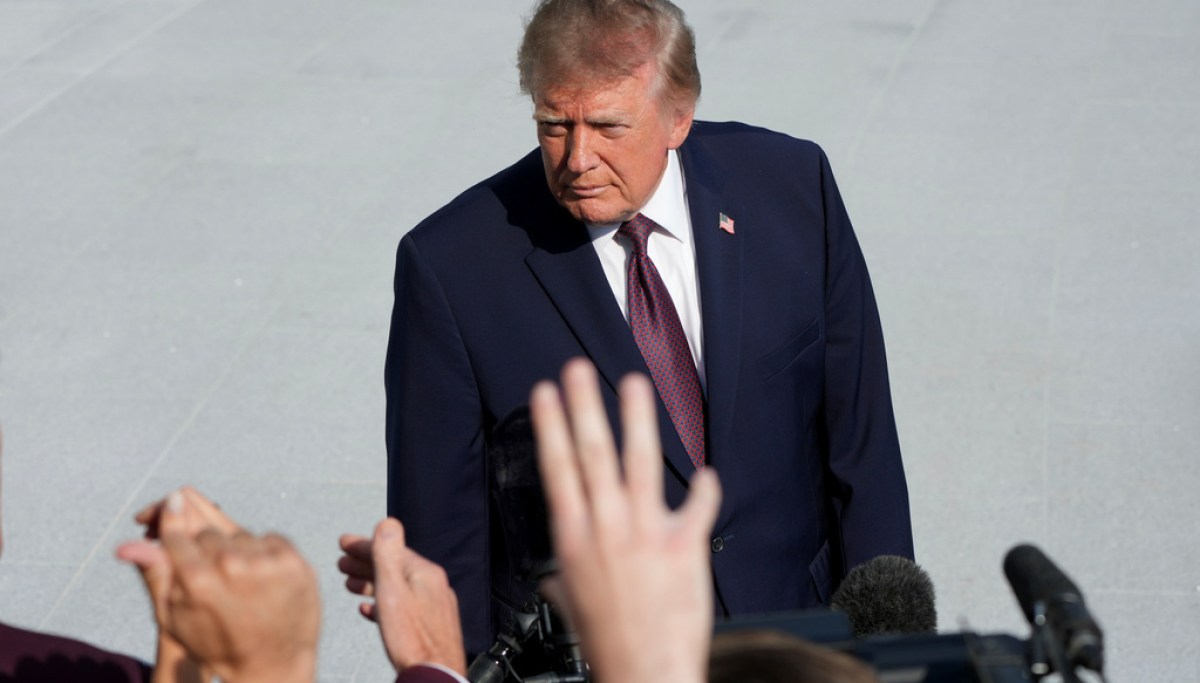
Cover image from npr.org, which was analyzed for this article
President Trump warns that the US-Iran ceasefire is on 'life support' after calling Tehran's latest proposal unacceptable, as the war reaches day 74. Tensions persist with IRGC expanding Strait of Hormuz zone and US sanctions on oil sales. Hegseth faces congressional scrutiny on Iran amid budget hearings.
PoliticalOS
Tuesday, May 12, 2026 — Politics
The ceasefire’s survival now depends on whether Washington and Tehran can bridge their incompatible positions on nuclear limits, sanctions, and control of the Strait of Hormuz. Failure risks sharp oil price spikes and renewed military confrontation with worldwide economic consequences.
What outlets missed
Most outlets omitted the precise timeline showing the war began February 28, 2026, after U.S. and Israeli strikes on Iranian nuclear sites, followed by Iranian retaliation and the April 8 ceasefire. Few detailed that Iran’s counterproposal reportedly included an offer to relinquish its enriched uranium stockpile, a concession Trump’s public remarks did not acknowledge. Coverage rarely noted that the U.S. proposal was described in prior reporting as a single-page document rather than a 14-point plan. The role of specific sanctions on Chinese refiners and the exact volume of oil still flowing despite the blockade also received little attention.
Global energy markets and shipping lanes face renewed strain as the two-month-old ceasefire between the United States and Iran shows signs of collapse. President Donald Trump on Monday dismissed Tehran’s latest counterproposal as unacceptable, declaring the truce “on massive life support” while the conflict entered its 74th day.
The central impasse centers on core demands that remain far apart. Trump has insisted Iran must permanently forgo nuclear weapons and hand over its enriched uranium stockpile. Iranian officials have countered with calls for an end to the U.S. naval blockade, sanctions relief, compensation for war damage, and explicit recognition of their sovereignty over the Strait of Hormuz, through which roughly one-fifth of the world’s oil and liquefied natural gas transits. Trump told reporters he had reviewed the Iranian document only briefly before rejecting it, stating the other side had repeatedly changed positions in past rounds.
Tensions have escalated on multiple fronts. The Islamic Revolutionary Guard Corps has expanded its declared exclusion zone in the Strait of Hormuz, while the United States has imposed fresh sanctions on networks accused of facilitating Iranian oil sales to China. Oil prices rose nearly 2 percent on Tuesday, with Brent crude reaching $106.21 a barrel, reflecting trader concerns that a breakdown could cut supplies further. Defense Secretary Pete Hegseth is scheduled to face questions on these developments during congressional budget hearings this week.
China’s role adds another layer. President Trump is traveling to Beijing for a summit with Xi Jinping, where the two leaders are expected to discuss trade, rare-earth minerals, and the Iran conflict. Beijing has purchased the large majority of Iran’s oil exports and has urged both sides to avoid renewed fighting, yet U.S. officials have accused Chinese firms of supplying dual-use components that support Iranian missile programs.
Analysts note that each side believes it holds leverage. Washington points to military damage inflicted on Iranian facilities and the economic pressure of the blockade. Tehran emphasizes its ability to threaten shipping and its remaining missile and drone inventories. The result is a diplomatic stalemate in which neither party has blinked first.
More in Politics

Federal Agents Search Omar Home in Ongoing Immigration Probe
Homeland Security agents searched the Minnesota Democrat's DC residence in a criminal probe, prompting accusations of political intimidation from Omar and Democratic leaders. Coverage spans left-leaning outlets like NPR, BBC, and The Guardian alongside right-leaning criticism from The Federalist and Daily Wire.

Trump Diesel Import Plan Draws Pushback Over Russia Ties
The weekend agreement drew bipartisan congressional pushback and criticism from Ukraine's Zelenskyy, with analysts downplaying US fuel price impacts. Right-leaning outlets like National Review, Dispatch, and Washington Examiner questioned its legality and effectiveness.

Independents Test Voter Appetite for Middle Ground in 2026 Midterms
Nearly 200 independents are running in competitive races as voters weigh ballot measures on housing costs in states like Massachusetts. Left-leaning coverage from NYT, NPR, and Guardian highlights turnout and key races while right outlets focus on GOP strategy.
Trump Rallies in Alaska, Ohio to Bolster GOP Senate Candidates
The president rallied in Wasilla for Sen. Dan Sullivan and faced empty seats at an Ohio event amid midterm concerns. Outlets across the spectrum covered the trips as signals of GOP vulnerability weeks before Election Day.
The Compass
You just read five takes on one story.
What's your take? Find your political shape in a few minutes.
Take the test