
Trump Rejects Iran Ceasefire Counteroffer, Leaving Truce on Life Support

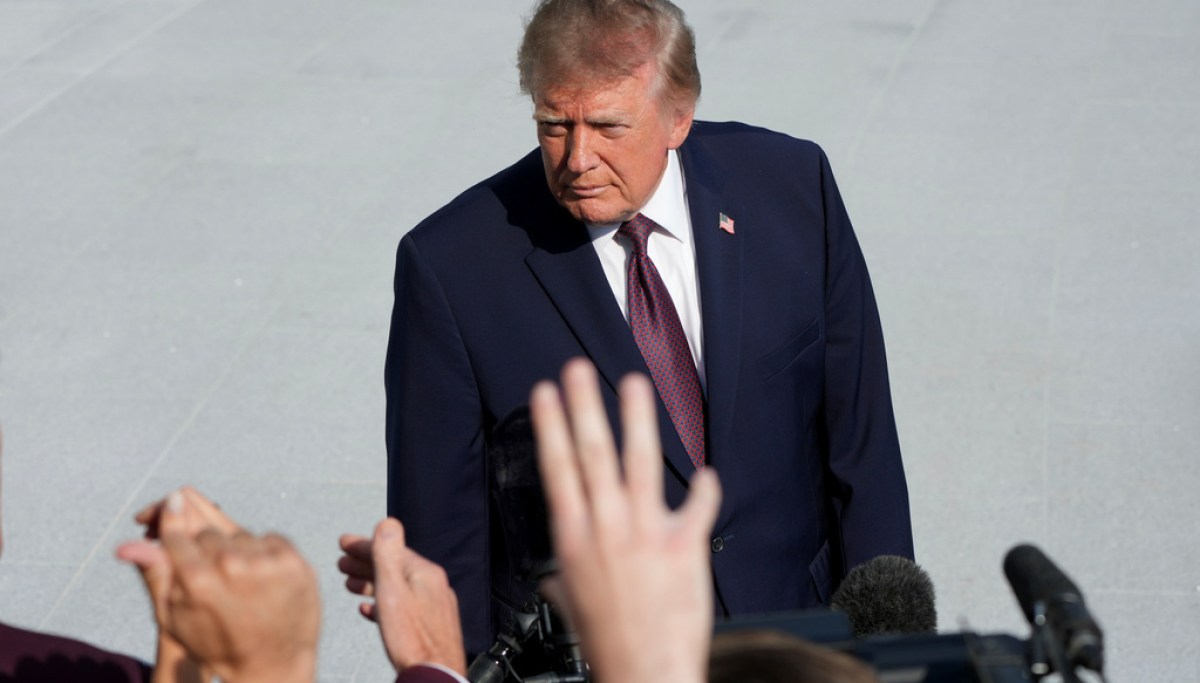
Cover image from cnbc.com, which was analyzed for this article
President Trump declared Iran's response to the US ceasefire proposal 'totally unacceptable,' placing talks on 'life support' amid ongoing war. Tensions rise with US blockades and strikes, as both sides accuse the other of unreasonable demands. Casualties mount, with significant losses reported on both sides.
PoliticalOS
Monday, May 11, 2026 — Politics
The core impasse is a classic maximalist standoff: the United States insists on verifiable, permanent limits on Iran’s nuclear program while Iran demands sanctions relief, reparations, and recognition of its control over the Strait of Hormuz before any further concessions. Until one side narrows its red lines or external pressure forces movement, the fragile April 8 ceasefire remains at high risk of collapse.
What outlets missed
Most outlets omitted the precise 14-point structure of both proposals, including Iran’s demand for $15 billion in annual strait transit fees and explicit U.S. insistence on a 12-year enrichment halt plus handover of 440 kg of 60-percent uranium. Few reported the April 8 ceasefire’s origin in Pakistani-brokered Islamabad talks or the fact that Project Freedom, the U.S. escort operation through the strait, was paused after only 36 hours. Economic details such as the rial’s collapse, daily internet-shutdown losses of $30-40 million, and the Pentagon’s reported depletion of munitions stockpiles received little attention outside specialized coverage.
The risk of renewed large-scale fighting between the United States and Iran has risen sharply after President Trump rejected Tehran’s response to a U.S. ceasefire proposal, describing the document as “totally unacceptable” and the month-old truce as “on massive life support.” Oil prices climbed above $103 a barrel on Monday as shipping through the Strait of Hormuz remained restricted and both sides traded accusations of bad faith.
The U.S. proposal, delivered roughly ten days earlier, sought a permanent end to Iran’s nuclear weapons program, removal of its stockpile of highly enriched uranium, and reopening of the strait to commercial traffic. Iran’s counteroffer, transmitted through Pakistani channels on Sunday, demanded an immediate end to the U.S. naval blockade, full sanctions relief, release of frozen assets, compensation for war damage, and formal recognition of Iranian sovereignty over the strait. Trump told reporters in the Oval Office that Iran had verbally agreed to relinquish enriched uranium but omitted the commitment from the written text. Iranian Foreign Ministry spokesman Esmaeil Baghaei called Tehran’s demands “reasonable, responsible and generous” and said nothing in them was excessive.
The ceasefire, announced April 8 after six weeks of U.S.-Israeli airstrikes on Iranian targets, has been fragile from the start. Each side has accused the other of violations, including Iranian attacks on the United Arab Emirates and U.S. strikes on Iran-flagged vessels. Trump unilaterally extended the original two-week truce on April 21. He said Monday that Iran “has been defeated militarily” and that his plan remains simple: “Iran cannot have a nuclear weapon.” Iranian officials have framed the U.S. terms as a demand for surrender and have warned that further pressure could prompt closure of the strait, through which roughly 20 percent of global oil trade normally passes.
Casualty figures remain disputed. The U.S.-based Human Rights Activists News Agency reported 3,636 deaths in Iran from strikes, including 254 children; the Pentagon has confirmed 13 U.S. service members killed and 415 wounded. Neither set of numbers has been independently corroborated by multiple governments. Netanyahu told CBS’s “60 Minutes” that the conflict is not over because enriched uranium, enrichment sites, and Iranian-backed proxies remain. Talks are now described by U.S. officials as being on life support, with military options under active review ahead of Trump’s scheduled meeting with Chinese President Xi Jinping later this week.
More in Politics

Federal Agents Search Omar Home in Ongoing Immigration Probe
Homeland Security agents searched the Minnesota Democrat's DC residence in a criminal probe, prompting accusations of political intimidation from Omar and Democratic leaders. Coverage spans left-leaning outlets like NPR, BBC, and The Guardian alongside right-leaning criticism from The Federalist and Daily Wire.

Trump Diesel Import Plan Draws Pushback Over Russia Ties
The weekend agreement drew bipartisan congressional pushback and criticism from Ukraine's Zelenskyy, with analysts downplaying US fuel price impacts. Right-leaning outlets like National Review, Dispatch, and Washington Examiner questioned its legality and effectiveness.

Independents Test Voter Appetite for Middle Ground in 2026 Midterms
Nearly 200 independents are running in competitive races as voters weigh ballot measures on housing costs in states like Massachusetts. Left-leaning coverage from NYT, NPR, and Guardian highlights turnout and key races while right outlets focus on GOP strategy.
Trump Rallies in Alaska, Ohio to Bolster GOP Senate Candidates
The president rallied in Wasilla for Sen. Dan Sullivan and faced empty seats at an Ohio event amid midterm concerns. Outlets across the spectrum covered the trips as signals of GOP vulnerability weeks before Election Day.
The Compass
You just read five takes on one story.
What's your take? Find your political shape in a few minutes.
Take the test