
US-Iran Roadmap Sets 60-Day Timeline Amid Inspector, Hormuz Clashes

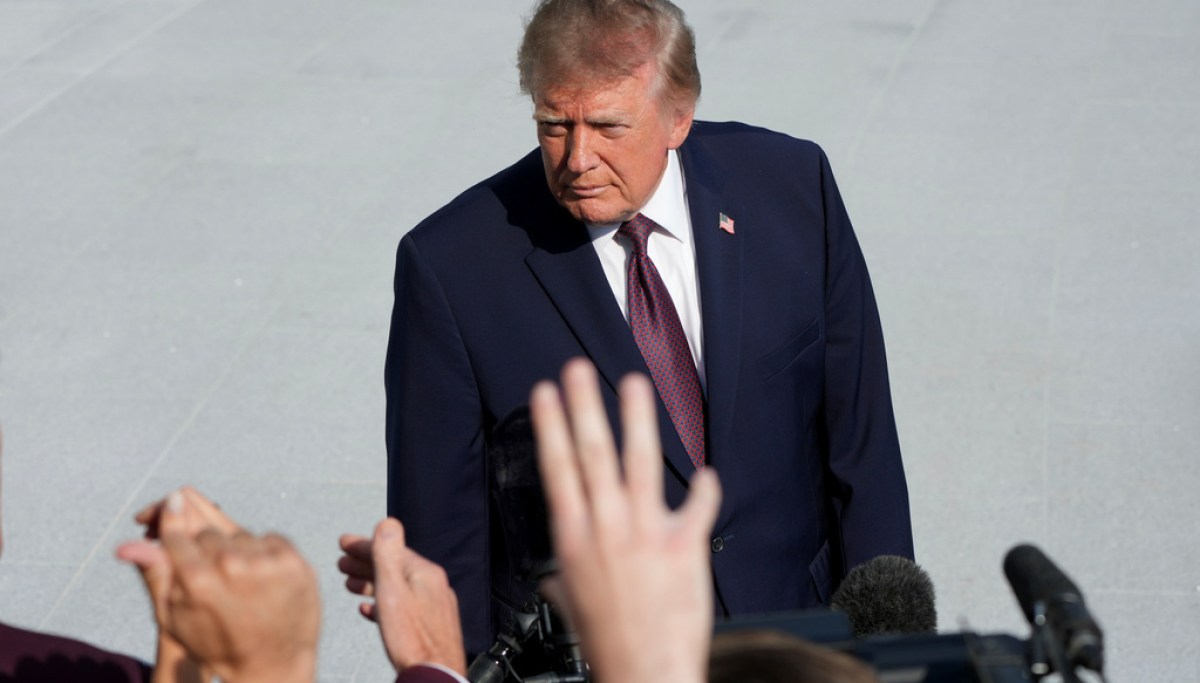
Cover image from aljazeera.com, which was analyzed for this article
US and Iranian delegations held extended talks in Switzerland with mediators, reporting progress on a roadmap while clashing over nuclear inspectors and Hormuz access. Trump threatened renewed action if needed as sanctions waivers were issued.
PoliticalOS
Tuesday, June 23, 2026 — Politics
The central unresolved question remains whether Iran will grant new IAEA access to previously bombed sites and whether Hormuz traffic rules will revert to pre-war conditions. Readers should treat all inspection and asset-use pledges as unverified until corroborated by both governments and the IAEA.
What outlets missed
Most coverage omitted the documented sequence of Strait of Hormuz closures that began February 28, 2026, and the precise conditions attached to the Treasury waiver. Few outlets supplied casualty totals from the Lebanon front or the exact text of paragraph 11 of the memorandum governing asset use. Iranian state-media claims of a completed $12 billion release were rarely cross-checked against US Treasury statements that described only a temporary license.
Global oil markets and Middle East stability hinge on whether Washington and Tehran can convert a Swiss-brokered memorandum into a lasting accord. The June 2026 talks in Bürgenstock produced a 60-day roadmap for final terms, yet the two sides immediately diverged on core pledges. US Vice President JD Vance told reporters that Iran had agreed to restore International Atomic Energy Agency access to bombed nuclear sites, calling the step a “major milestone.” Iranian Foreign Ministry spokesman Esmaeil Baqaei replied that no new commitments had been made and that inspections would follow only existing parliamentary and security-council rules. Mediators Pakistan and Qatar confirmed the creation of working groups on nuclear issues and sanctions plus a communications channel for safe Hormuz transit. President Trump stated that any unfrozen funds would be spent solely on US agricultural products; Iran’s UN ambassador Ali Bahreini rejected external control over the assets. The US Treasury issued a 60-day waiver allowing dollar-denominated oil sales until August 21, while Iran’s parliament speaker Mohammad Bagher Ghalibaf insisted the strait would remain under Iranian administration. Lebanese and Israeli officials are scheduled for separate Washington talks on a de-confliction cell. No independent verification of the inspection pledge or the precise $12 billion asset figure has appeared in official US documents released so far.
More in Politics

Federal Agents Search Omar Home in Ongoing Immigration Probe
Homeland Security agents searched the Minnesota Democrat's DC residence in a criminal probe, prompting accusations of political intimidation from Omar and Democratic leaders. Coverage spans left-leaning outlets like NPR, BBC, and The Guardian alongside right-leaning criticism from The Federalist and Daily Wire.

Trump Diesel Import Plan Draws Pushback Over Russia Ties
The weekend agreement drew bipartisan congressional pushback and criticism from Ukraine's Zelenskyy, with analysts downplaying US fuel price impacts. Right-leaning outlets like National Review, Dispatch, and Washington Examiner questioned its legality and effectiveness.

Independents Test Voter Appetite for Middle Ground in 2026 Midterms
Nearly 200 independents are running in competitive races as voters weigh ballot measures on housing costs in states like Massachusetts. Left-leaning coverage from NYT, NPR, and Guardian highlights turnout and key races while right outlets focus on GOP strategy.
Trump Rallies in Alaska, Ohio to Bolster GOP Senate Candidates
The president rallied in Wasilla for Sen. Dan Sullivan and faced empty seats at an Ohio event amid midterm concerns. Outlets across the spectrum covered the trips as signals of GOP vulnerability weeks before Election Day.
The Compass
You just read five takes on one story.
What's your take? Find your political shape in a few minutes.
Take the test