
US-Iran Conflict Drags On With Extended Deployments and Oil Disruptions

Cover image from cnbc.com, which was analyzed for this article
Fresh US military actions in Iran have killed civilians including at a wedding, with Iran responding via naval claims in the Strait of Hormuz. Trump frames the fight as protecting allies while markets react to tensions.
PoliticalOS
Wednesday, June 10, 2026 — Politics
The central unresolved tension is whether the United States can claim effective control and an end to hostilities while sustaining large-scale deployments, facing reduced commercial traffic, and absorbing Iranian counterstrikes. Readers should weigh official assertions on oil flows against independent shipping counts and note that political considerations are shaping the pace of any de-escalation.
What outlets missed
Most coverage omitted detailed casualty figures or specific strike locations beyond general references to U.S. actions and Iranian retaliation. No outlet provided independent verification of claims about total control of the strait or the precise start date of the six-month campaign. The analyses also left unexamined the long-term effects on global supply chains for East Asian manufacturing nations that rely on Hormuz transit. Internal administration options for escalation, such as strikes on nuclear sites, appeared only in passing without sourcing on their status.
Global oil markets and military families face prolonged uncertainty as the United States maintains roughly 50,000 troops and 19 warships in the Middle East more than six months into its campaign against Iran. Shipping through the Strait of Hormuz remains far below pre-conflict levels even as President Donald Trump has discussed declaring the war over with advisers.
The Wall Street Journal reported that Trump has argued economic pressure and military dominance have positioned the United States favorably, yet the Pentagon is extending deployments for units including elements of the 82nd Airborne Division well into 2027. Air defense units have seen rotations lengthened from nine months to a full year, and Navy crews on destroyers and carriers such as the USS Abraham Lincoln have faced extended time at sea with limited resupply options.
Oil transit data show conflicting pictures. Treasury Secretary Scott Bessent stated that flows reached at least 10 million barrels per day and possibly 15 million to 17 million on one recent day, compared with roughly 20 million barrels daily before the conflict. Reuters shipping counts, however, recorded only five or six commodity vessels passing on certain days this week, well below normal traffic. Brent crude has traded near $95 a barrel after earlier swings.
Iran responded to recent U.S. strikes by targeting U.S. positions in Kuwait with missiles and drones, according to Iranian state media and Kuwaiti army statements. Trump told reporters the hostilities would not last much longer and that the United States was prepared for further operations. Top aides have urged keeping the conflict contained ahead of midterm elections, citing polling that shows majority disapproval of the president's handling of the war.
A Washington Examiner column noted that reduced Hormuz traffic could encourage similar chokepoint strategies elsewhere, while CNBC and other reporting focused on immediate military exchanges and domestic political calculations. No resolution has emerged from an expired memorandum of understanding, and commercial traffic continues to avoid the strait or use alternative routes near Oman.
More in Politics
Polls Show Democratic Edges in Pennsylvania House Races Amid Kansas Senate Strain
Early voting began in key states with Democrats showing edges in House races and Trump barnstorming to defy headwinds as forecasters highlight competitive battlegrounds.

Trump Defends Ramaswamy Ad Using Estranged Mother in Ohio Race
President Trump defended a GOP nominee's ad featuring a Democratic opponent's estranged mother, calling it powerful, while drawing criticism from some Republicans including Ohio Gov. Mike DeWine. The ad has sparked internal GOP tensions ahead of midterms.
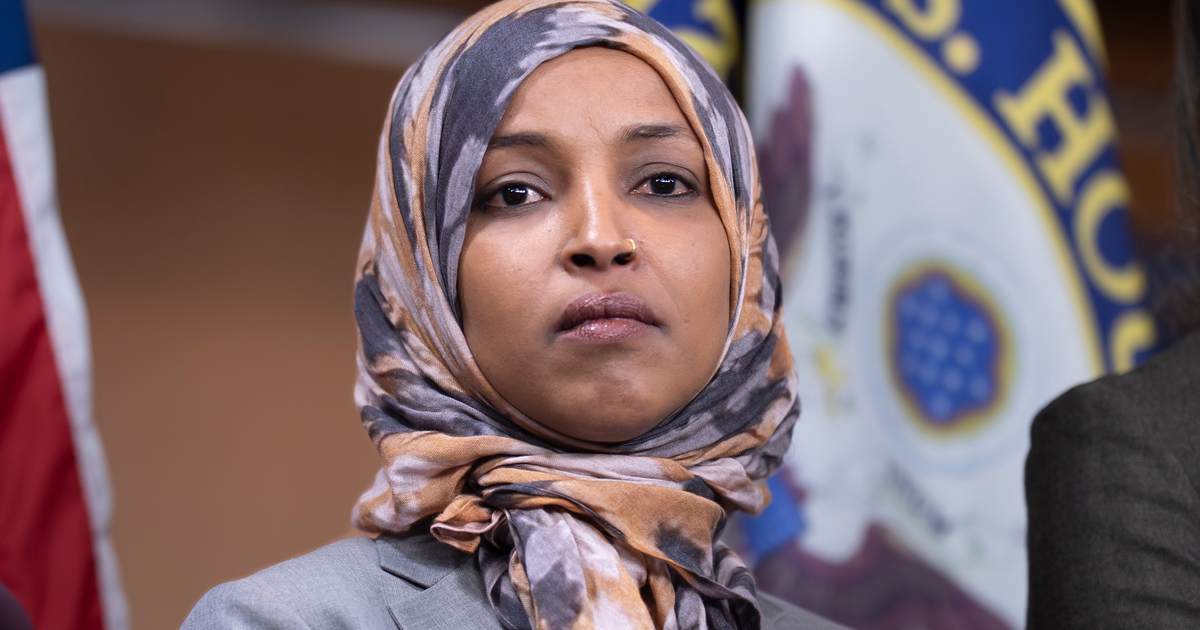
Federal Raid Targets Omar Amid Unresolved Name and Marriage Allegations
Agents searched Rep. Ilhan Omar's DC residence over immigration fraud allegations; she called it bizarre. Reports and commentary questioned her birth name and past marriage details.

Supreme Court Upholds New Hampshire Student ID Voting Ban
The Supreme Court upheld New Hampshire's ban on student IDs as valid voter identification just before midterms, affecting a tight Senate race.
The Compass
You just read five takes on one story.
What's your take? Find your political shape in a few minutes.
Take the test