
US-Iran Conflict Drags On With Extended Deployments and Oil Disruptions

Cover image from cnbc.com, which was analyzed for this article
Fresh US military actions in Iran have killed civilians including at a wedding, with Iran responding via naval claims in the Strait of Hormuz. Trump frames the fight as protecting allies while markets react to tensions.
PoliticalOS
Wednesday, June 10, 2026 — Politics
The central unresolved tension is whether the United States can claim effective control and an end to hostilities while sustaining large-scale deployments, facing reduced commercial traffic, and absorbing Iranian counterstrikes. Readers should weigh official assertions on oil flows against independent shipping counts and note that political considerations are shaping the pace of any de-escalation.
What outlets missed
Most coverage omitted detailed casualty figures or specific strike locations beyond general references to U.S. actions and Iranian retaliation. No outlet provided independent verification of claims about total control of the strait or the precise start date of the six-month campaign. The analyses also left unexamined the long-term effects on global supply chains for East Asian manufacturing nations that rely on Hormuz transit. Internal administration options for escalation, such as strikes on nuclear sites, appeared only in passing without sourcing on their status.
Trump Escalates Strikes on Iran After Helicopter Downing
US forces launched fresh strikes on Iranian targets Tuesday night after the reported downing of an American Apache helicopter near the Strait of Hormuz, triggering a round of Iranian missile and drone attacks on bases in Jordan, Kuwait and Bahrain. The exchange marked the sharpest escalation yet in a conflict that has already stretched into its fourth month and shattered earlier hopes for a quick ceasefire.
President Donald Trump blamed Iran directly for the helicopter incident and ordered what the Pentagon described as self-defense strikes on radar sites, air defenses and ground-control stations along the strait. Iranian state media reported explosions near Bandar Abbas, Qeshm Island and Sirik, while residents described blasts close to key oil-shipping routes. Two US pilots were later rescued, according to Central Command.
Iran’s Revolutionary Guards responded early Wednesday by firing long-range missiles at the US-linked al-Azraq base in Jordan and launching drones toward facilities in Kuwait and Bahrain. Jordanian forces said they intercepted five incoming missiles. Most of Iran’s other projectiles were reportedly shot down before reaching targets. Iranian Foreign Minister Abbas Araghchi warned that Tehran would answer every attack, while a foreign-ministry statement accused Gulf neighbors of failing in their “legal and moral responsibility” to stop American operations.
Trump followed the strikes with a series of social-media posts threatening deeper punishment. He said Iran had taken “too long” to reach a deal and would now “have to pay the price,” adding that he was prepared to hit power plants and bridges next. In another message he claimed Iran’s military was “a complete and total mess” and declared “the bully of the Middle East is dead.” Oil prices rose sharply after the comments, with US crude futures jumping nearly 2 percent.
Vice President JD Vance offered little clarity on when the fighting might end, telling reporters a durable agreement could take “a week or a few months.” Earlier this week Trump had suggested a deal could be reached in “two or three days,” only to pivot to new threats once negotiations stalled. The administration has maintained a naval blockade of Iranian ports, an effort Trump called the most successful in history, though analysts note that significant volumes of oil may still be moving on tankers with transponders disabled.
The latest round of violence has further sidelined diplomatic channels that appeared briefly viable in April. Iranian officials have repeatedly signaled they will not negotiate under sustained military pressure, while US strikes on southern Iran have hardened positions in Tehran. Regional analysts warn that each retaliatory cycle increases the chance of miscalculation, particularly around the narrow waterway that carries roughly one-fifth of global oil shipments.
With both sides trading blows and no immediate off-ramp in sight, the risk of a wider confrontation continues to grow.
You just read Progressive's take. Want to read what actually happened?
More in Politics
Polls Show Democratic Edges in Pennsylvania House Races Amid Kansas Senate Strain
Early voting began in key states with Democrats showing edges in House races and Trump barnstorming to defy headwinds as forecasters highlight competitive battlegrounds.

Trump Defends Ramaswamy Ad Using Estranged Mother in Ohio Race
President Trump defended a GOP nominee's ad featuring a Democratic opponent's estranged mother, calling it powerful, while drawing criticism from some Republicans including Ohio Gov. Mike DeWine. The ad has sparked internal GOP tensions ahead of midterms.
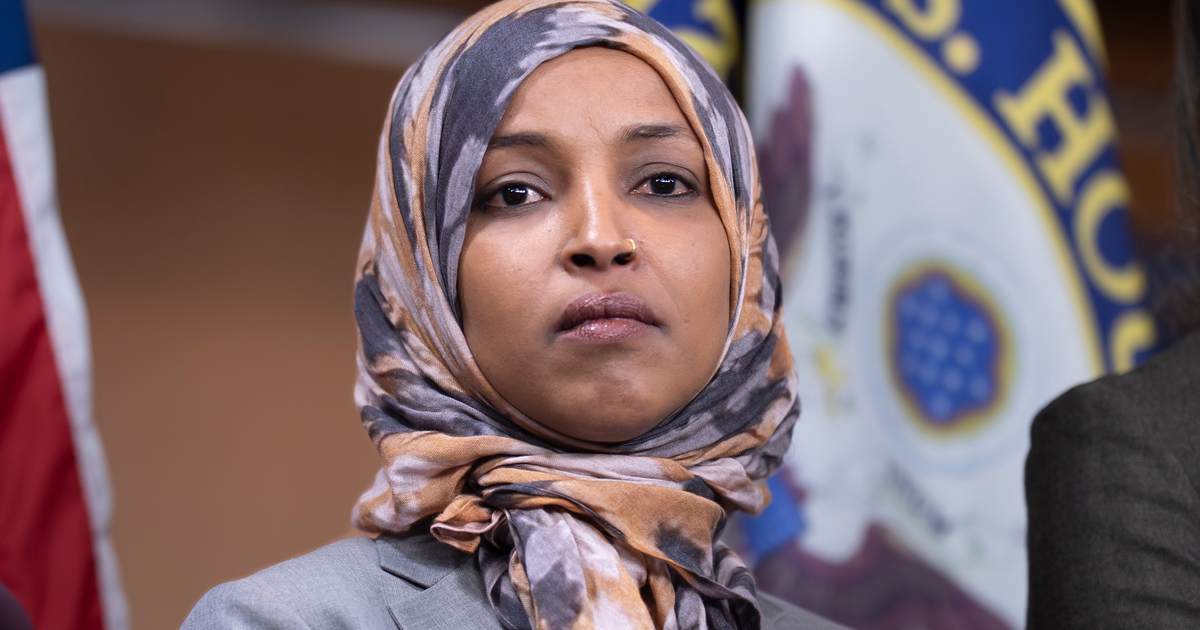
Federal Raid Targets Omar Amid Unresolved Name and Marriage Allegations
Agents searched Rep. Ilhan Omar's DC residence over immigration fraud allegations; she called it bizarre. Reports and commentary questioned her birth name and past marriage details.

Supreme Court Upholds New Hampshire Student ID Voting Ban
The Supreme Court upheld New Hampshire's ban on student IDs as valid voter identification just before midterms, affecting a tight Senate race.
The Compass
You just read five takes on one story.
What's your take? Find your political shape in a few minutes.
Take the test