
US-Iran Talks Open in Switzerland Amid Hormuz Dispute
Cover image from bbc.com, which was analyzed for this article
US and Iranian delegations arrived for high-level negotiations at a Swiss resort focused on the Strait of Hormuz and ending hostilities. The fragile deal has drawn mixed reactions from both parties amid ongoing tensions.
PoliticalOS
Sunday, June 21, 2026 — Politics
The interim deal’s first test is whether fighting in Lebanon can be halted and Hormuz traffic secured before the 60-day clock expires. Both sides arrived in Switzerland asserting the other must move first on implementation. Success hinges on mediators bridging that gap before renewed escalation.
What outlets missed
Several reports omitted the precise language of the interim memorandum distinguishing it from a binding treaty. Most accounts did not include the exact shipping data released by U.S. Central Command or the 2015 nuclear deal reference that frames Iranian caution. Coverage rarely noted that neither Israel nor Hezbollah signed the U.S.-Iran document, leaving enforcement dependent on U.S. pressure.
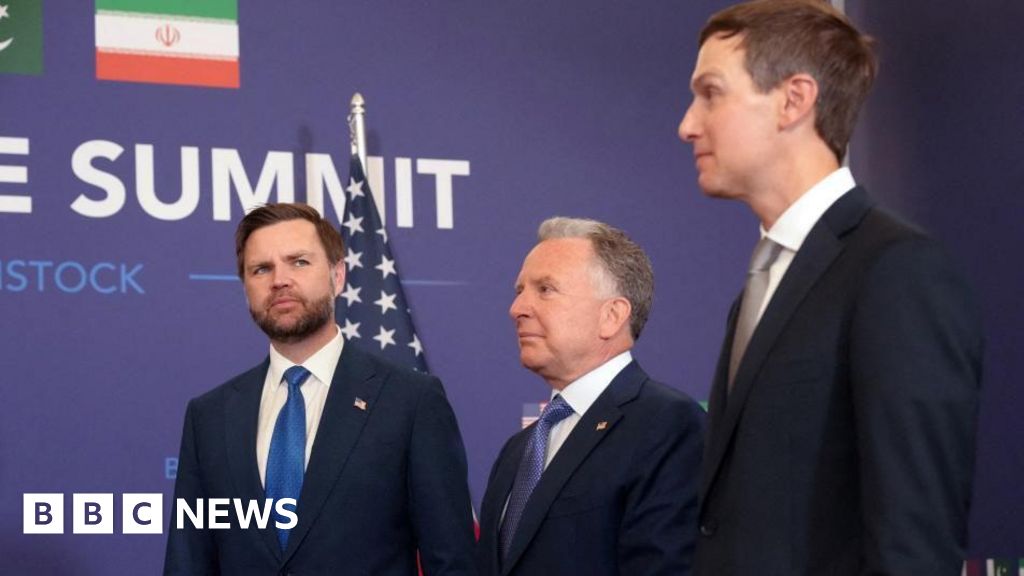
Delegations from the United States and Iran arrived Sunday at the Bürgenstock resort in Switzerland to begin technical talks on implementing a 60-day interim agreement signed days earlier. The memorandum calls for an end to hostilities on all fronts, including Lebanon, the reopening of the Strait of Hormuz without Iranian tolls, and progress toward limits on Iran’s nuclear program.
The central tension is whether the fragile ceasefire can survive continued Israeli strikes in Lebanon and competing claims over the strait. Iran’s Islamic Revolutionary Guard Corps announced the waterway closed again, citing Israeli operations and alleged U.S. failure to enforce the truce. U.S. Central Command stated that 55 merchant ships transited on Saturday carrying more than 17 million barrels of oil and that traffic continues to flow.
Vice President JD Vance leads the U.S. side, joined by envoys Steve Witkoff and Jared Kushner. Iran’s delegation is headed by parliamentary speaker Mohammad Bagher Ghalibaf and Foreign Minister Abbas Araghchi. Pakistan’s Prime Minister Shehbaz Sharif and army chief Field Marshal Asim Munir, along with Qatari officials, are serving as mediators.
Vance told reporters before departure that he hoped to advance both the nuclear file and the Lebanon ceasefire. He described conditions in Lebanon as improving despite the headlines. Iranian Foreign Ministry spokesman Esmaeil Baghaei said Tehran would press for immediate implementation of the memorandum’s first clause on halting military operations everywhere.
Israeli strikes in southern Lebanon on Saturday killed at least 47 people, according to Lebanese health authorities, while the Israel Defense Forces reported striking 80 Hezbollah-linked targets. Hezbollah said it would not allow Israeli freedom of movement. President Trump warned on social media that the United States could impose its own tolls on the strait if no final deal is reached within 60 days.
IAEA Director General Rafael Grossi met Swiss Foreign Minister Ignazio Cassis on the sidelines. The talks are scheduled to last up to two days at the principal level before shifting to technical teams.
More in Politics

Federal Agents Search Omar Home in Ongoing Immigration Probe
Homeland Security agents searched the Minnesota Democrat's DC residence in a criminal probe, prompting accusations of political intimidation from Omar and Democratic leaders. Coverage spans left-leaning outlets like NPR, BBC, and The Guardian alongside right-leaning criticism from The Federalist and Daily Wire.

Trump Diesel Import Plan Draws Pushback Over Russia Ties
The weekend agreement drew bipartisan congressional pushback and criticism from Ukraine's Zelenskyy, with analysts downplaying US fuel price impacts. Right-leaning outlets like National Review, Dispatch, and Washington Examiner questioned its legality and effectiveness.

Independents Test Voter Appetite for Middle Ground in 2026 Midterms
Nearly 200 independents are running in competitive races as voters weigh ballot measures on housing costs in states like Massachusetts. Left-leaning coverage from NYT, NPR, and Guardian highlights turnout and key races while right outlets focus on GOP strategy.
Trump Rallies in Alaska, Ohio to Bolster GOP Senate Candidates
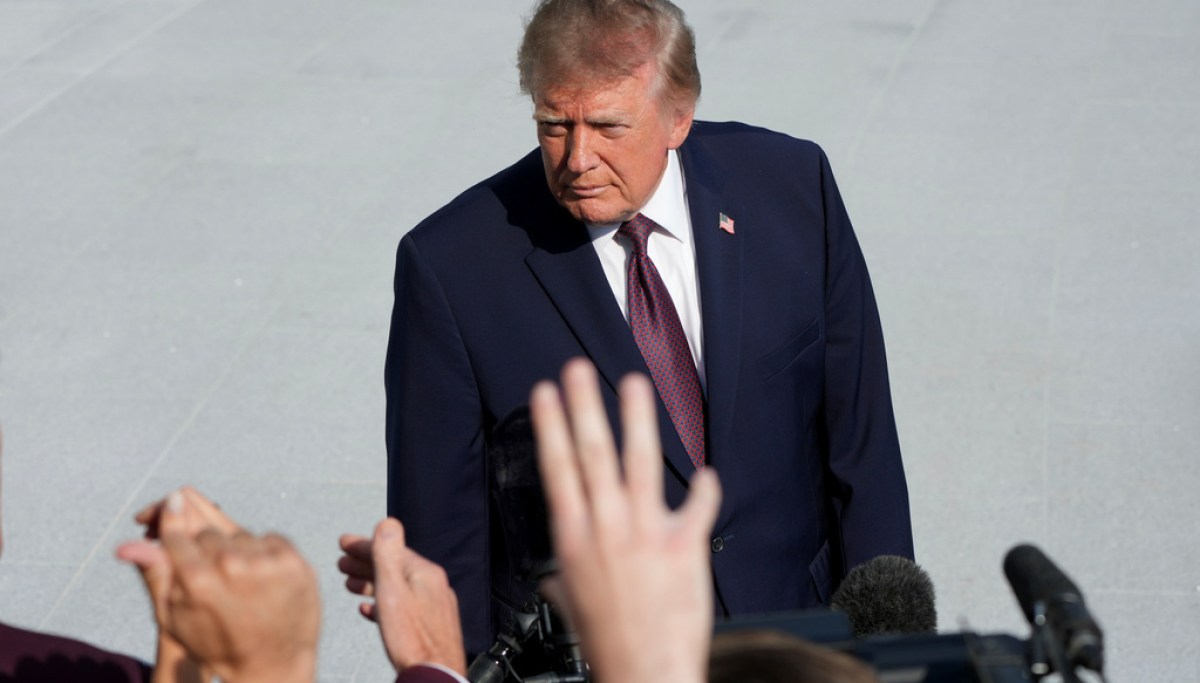
The president rallied in Wasilla for Sen. Dan Sullivan and faced empty seats at an Ohio event amid midterm concerns. Outlets across the spectrum covered the trips as signals of GOP vulnerability weeks before Election Day.
The Compass
You just read five takes on one story.
What's your take? Find your political shape in a few minutes.
Take the test