
US Seizes Iranian Cargo Ship in Hormuz, Jeopardizing Pakistan Talks

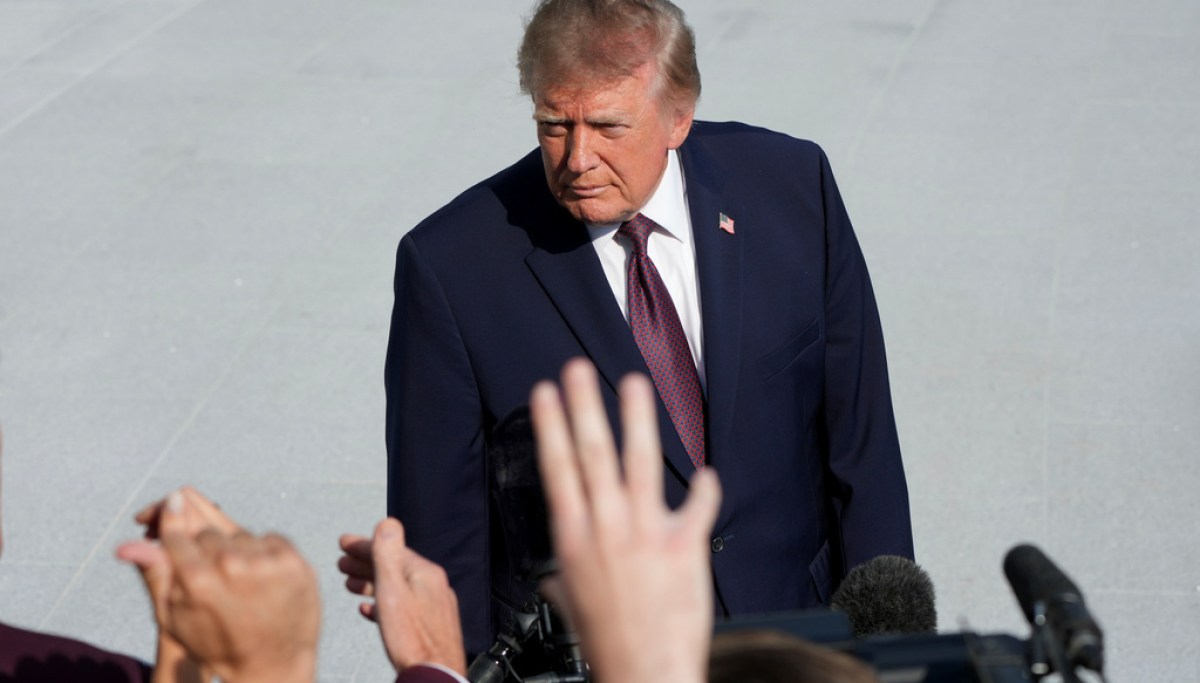
Cover image from aljazeera.com, which was analyzed for this article
US forces seized the Iranian-flagged cargo ship Touska after it ignored orders and attempted to breach a naval blockade in the Strait of Hormuz. The action has led Iran to express doubts about attending the next round of peace talks in Pakistan, with officials vowing retaliation. President Trump confirmed the operation, escalating tensions amid ongoing mediation efforts.
PoliticalOS
Monday, April 20, 2026 — Politics
The seizure of the Touska after repeated warnings is a concrete enforcement of the US blockade, yet it has given Iran a public rationale to question further talks and promise retaliation. Whether this ends the current diplomatic opening or simply raises its price depends on actions in the next 72 hours before the ceasefire expires. Readers should recognize that both governments have incentives to portray the other as the spoiler while global energy markets and regional stability hang in the balance.
What outlets missed
Most coverage downplayed or omitted that the Touska had ignored six hours of explicit radio warnings before any shots were fired, a detail carried in CENTCOM statements and corroborated by video but minimized in outlets emphasizing Iranian grievances. The ship's prior placement on the US Treasury sanctions list for sanctions evasion received inconsistent attention; when mentioned it was often buried, leaving readers without the legal basis the US cites for treating the vessel as fair game. Iran's initial restriction of strait passage to allied ships only, which preceded and helped trigger the American blockade, was rarely placed at the top of the timeline. Coverage also underplayed that this was the first seizure after 25 prior vessels were turned away peacefully, a fact that frames the US action as graduated rather than sudden. Finally, the exact expiration date of the current ceasefire (Wednesday) and the names of the specific US envoys dispatched to Islamabad appeared in only a minority of reports.
A narrow waterway that carries one-fifth of global oil trade became the latest flashpoint in the US-Iran conflict Monday, as American forces seized an Iranian-flagged cargo vessel and Tehran signaled it may skip upcoming peace negotiations. The incident risks unraveling a fragile April ceasefire and pushing the two sides back toward open conflict at a moment when both claim to want a deal.
The sequence began shortly after midnight Iranian time. The guided-missile destroyer USS Spruance issued repeated warnings to the motor vessel Touska, which was attempting to reach the Iranian port of Bandar Abbas in violation of a US naval blockade imposed April 13. After six hours of non-compliance, according to US Central Command, the destroyer fired its 5-inch MK 45 gun into the ship's engine room, disabling it without reported casualties. Marines from the USS Tripoli then fast-roped aboard from helicopters and took control. CENTCOM released video of the radio warnings, the gunfire and the boarding; President Trump confirmed the operation on Truth Social, noting the vessel was under US Treasury sanctions for prior sanctions-evasion activity.
Iran immediately denounced the seizure as "armed piracy" and a violation of the ceasefire that has held, with interruptions, since April 9. Foreign Ministry spokesman Esmaeil Baghaei said Tehran had "no plans" to send negotiators to the next round of Pakistan-mediated talks in Islamabad, citing American "bad faith" and "maximalist" demands. A military spokesman for Iran's Khatam al-Anbiya command vowed a "crushing retaliation." Trump, for his part, repeated threats to strike Iranian power plants and bridges if no agreement is reached, writing that "it's time for the Iran killing machine to end."
The central tension now is whether diplomacy can outrun escalation. Previous talks in Islamabad lasted roughly 21 hours and collapsed without a breakthrough on Iran's nuclear program or the blockade. The US says the blockade responds to Iran's earlier decision to restrict Strait of Hormuz passage to vessels from allied nations only, effectively halting most of its oil exports. Iran calls the blockade itself an act of economic warfare. Oil prices jumped on news of the seizure; global markets remain on edge.
The Touska is 294 meters long, flies the Iranian flag and had been sanctioned by the US Treasury's Office of Foreign Assets Control. It is the first Iranian commercial vessel physically seized since the blockade began; CENTCOM says 25 other ships were peacefully redirected beforehand. No independent verification has yet emerged on the precise cargo. Trump said US forces "are seeing what's on board."
Pakistani officials continued preparations for talks even as Iran's statements cast doubt on attendance. US negotiators including Vice President JD Vance, Steve Witkoff and Jared Kushner were expected to travel to Islamabad regardless. Public opinion in the US has soured on the conflict: an NBC poll released Sunday found roughly two-thirds of adults disapprove of Trump's handling of the war. Iranian state media highlighted domestic protests against the regime, though casualty figures and exact triggers remain disputed.
Both sides accuse the other of violating the ceasefire first. The US points to Iranian fire on commercial vessels in the strait; Iran points to the blockade and now the Touska seizure. The waterway's strategic importance means any sustained closure or retaliation could spike energy costs worldwide and draw in other powers. Whether Monday's events mark the death of the current diplomatic track or merely its latest test is the question that will shape the coming days.
More in Politics

Federal Agents Search Omar Home in Ongoing Immigration Probe
Homeland Security agents searched the Minnesota Democrat's DC residence in a criminal probe, prompting accusations of political intimidation from Omar and Democratic leaders. Coverage spans left-leaning outlets like NPR, BBC, and The Guardian alongside right-leaning criticism from The Federalist and Daily Wire.

Trump Diesel Import Plan Draws Pushback Over Russia Ties
The weekend agreement drew bipartisan congressional pushback and criticism from Ukraine's Zelenskyy, with analysts downplaying US fuel price impacts. Right-leaning outlets like National Review, Dispatch, and Washington Examiner questioned its legality and effectiveness.

Independents Test Voter Appetite for Middle Ground in 2026 Midterms
Nearly 200 independents are running in competitive races as voters weigh ballot measures on housing costs in states like Massachusetts. Left-leaning coverage from NYT, NPR, and Guardian highlights turnout and key races while right outlets focus on GOP strategy.
Trump Rallies in Alaska, Ohio to Bolster GOP Senate Candidates
The president rallied in Wasilla for Sen. Dan Sullivan and faced empty seats at an Ohio event amid midterm concerns. Outlets across the spectrum covered the trips as signals of GOP vulnerability weeks before Election Day.
The Compass
You just read five takes on one story.
What's your take? Find your political shape in a few minutes.
Take the test