
Utah Primary Tests Moderate vs Progressive Path in New Blue Seat

Cover image from npr.org, which was analyzed for this article
In a competitive Democratic primary for a new Utah seat, progressives are targeting moderate Ben McAdams over his past support for abortion limits.
PoliticalOS
Monday, June 22, 2026 — Politics
The primary will reveal whether voters in Utah’s new Democratic-leaning district prefer a candidate with a record of cross-aisle work or one aligned with progressive priorities. A split progressive vote increases the likelihood that McAdams advances.
What outlets missed
Neither outlet provided current polling numbers or fundraising totals from candidate committees. Details on Michael Farrell’s platform and campaign activity received minimal attention. The precise timeline and legal arguments in the redistricting litigation were summarized rather than examined. No reporting addressed how the winner would approach relations with Utah’s congressional delegation or state legislature.
Utah voters will decide Tuesday whether a newly drawn congressional district that leans heavily Democratic will send a moderate or a progressive to the House. The outcome carries weight beyond the state because the seat offers Democrats their clearest chance in decades to gain ground in a Republican stronghold.
Court-ordered redistricting consolidated Salt Lake City and surrounding Democratic-leaning suburbs into the 1st Congressional District. Cook Political Report rates the seat 12 points more Democratic than the nation; some analyses place the advantage higher, citing Kamala Harris’s 24-point margin in 2024 voting patterns within the boundaries. The map resulted from years of litigation over partisan gerrymandering, not from any federal directive.
Four candidates remain. Former representative Ben McAdams, who flipped a competitive seat in 2018 and served one term, presents himself as a pragmatic legislator willing to work across party lines. State Senator Nate Blouin, endorsed by Senator Bernie Sanders, and political newcomer Liban Mohamed, who captured 51 percent of delegates at the state Democratic convention, argue for bolder action on housing, health care, and economic redistribution. Tax attorney Michael Farrell rounds out the progressive field.
McAdams’s record includes votes against federal abortion funding and support for a Republican measure to force a floor vote on an anti-abortion bill while representing a more conservative district. He has since stated that he supports restoring national abortion access and that decisions should rest with women. Blouin and Mohamed have highlighted those earlier positions to argue that McAdams is out of step with the new electorate. McAdams counters that the district still contains enough Republicans and independents to require coalition-building.
Outside spending has favored McAdams. A super PAC connected to the artificial intelligence sector and New Democrat Majority have spent millions on his behalf. Blouin has described the support as an attempt to rewrite McAdams’s record.
Blouin’s own campaign has been complicated by decade-old social media posts containing lewd remarks about Latter-day Saints and sexual assault victims. He has apologized and said the comments do not reflect his current views. Mohamed rejected Blouin’s call for the other progressives to withdraw after an internal poll showed Blouin trailing McAdams but ahead of the rest of the field.
Political science professor Damon Cann of Utah State University noted that a combined progressive vote of 50 percent or more would indicate demand for a more left-leaning nominee, while a McAdams victory would reflect the practical limits of vote-splitting in a multi-candidate primary. The race therefore functions as an early test of whether Democratic voters in the district prioritize ideological consistency or the ability to win and govern in a state that last supported a Democratic presidential candidate in 1964.
More in Politics

Federal Agents Search Omar Home in Ongoing Immigration Probe
Homeland Security agents searched the Minnesota Democrat's DC residence in a criminal probe, prompting accusations of political intimidation from Omar and Democratic leaders. Coverage spans left-leaning outlets like NPR, BBC, and The Guardian alongside right-leaning criticism from The Federalist and Daily Wire.

Trump Diesel Import Plan Draws Pushback Over Russia Ties
The weekend agreement drew bipartisan congressional pushback and criticism from Ukraine's Zelenskyy, with analysts downplaying US fuel price impacts. Right-leaning outlets like National Review, Dispatch, and Washington Examiner questioned its legality and effectiveness.

Independents Test Voter Appetite for Middle Ground in 2026 Midterms
Nearly 200 independents are running in competitive races as voters weigh ballot measures on housing costs in states like Massachusetts. Left-leaning coverage from NYT, NPR, and Guardian highlights turnout and key races while right outlets focus on GOP strategy.
Trump Rallies in Alaska, Ohio to Bolster GOP Senate Candidates
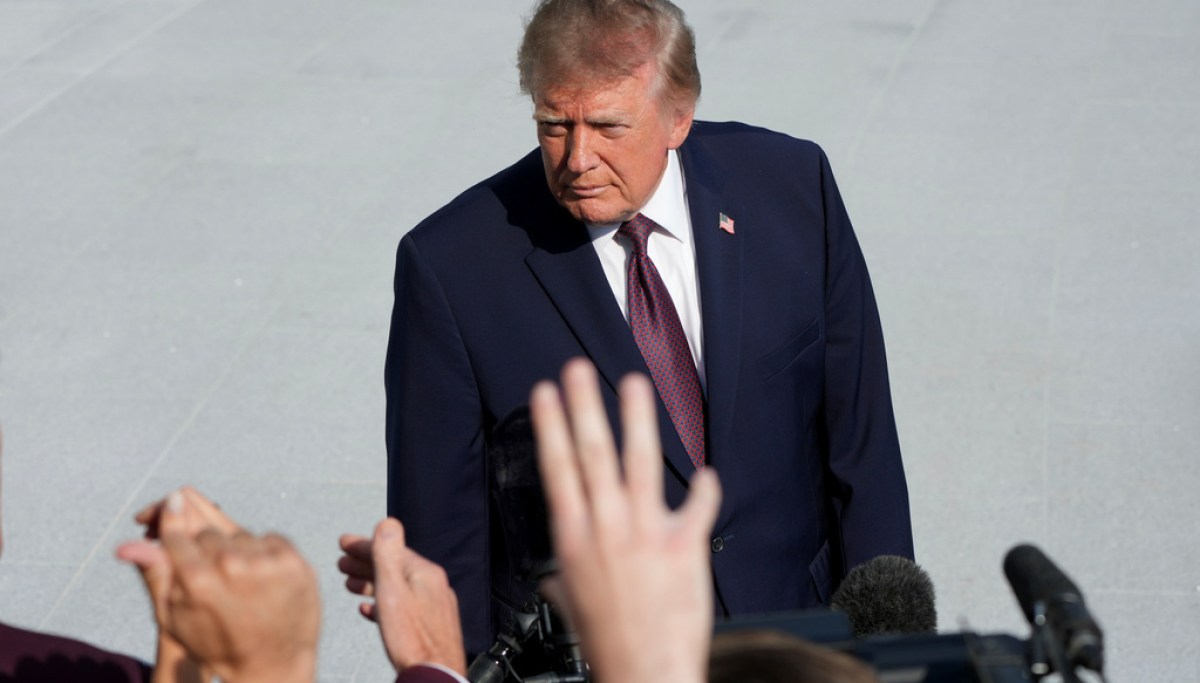
The president rallied in Wasilla for Sen. Dan Sullivan and faced empty seats at an Ohio event amid midterm concerns. Outlets across the spectrum covered the trips as signals of GOP vulnerability weeks before Election Day.
The Compass
You just read five takes on one story.
What's your take? Find your political shape in a few minutes.
Take the test