
Virginia Redistricting Vote Ignites Legal Fight as Florida GOP Pursues Maps
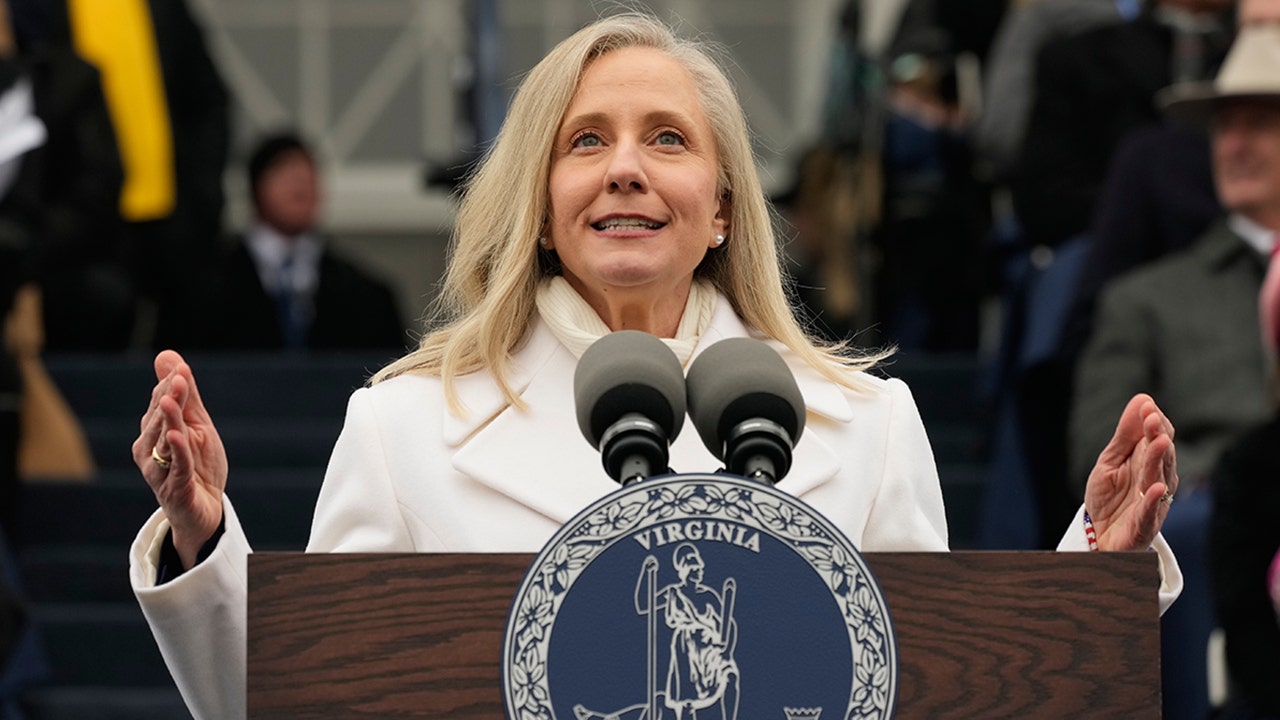
Cover image from foxnews.com, which was analyzed for this article
Virginia's map battles highlight sharp partisan shifts, with Democrats gaining edge against GOP redraws and dishonest ballot language. Legal fights loom as DeSantis faces backfire warnings on gerrymander plans. Midterm implications intensify state-level power struggles.
PoliticalOS
Friday, April 24, 2026 — Politics
Both parties are engaged in tit-for-tat mid-decade redistricting aimed at securing House advantages ahead of the midterms, with Virginia's narrow voter approval now stalled in court and Florida's governor advancing maps under multiple legal shields. The central unresolved question is whether state supreme courts will prioritize process, voter will or constitutional anti-gerrymandering provisions. Readers should understand that these maneuvers carry real risks of backfire in a polarized electorate, and that final maps may not be settled until after candidate filing deadlines or further litigation.
What outlets missed
Most outlets underplayed the reciprocal trigger written into Virginia's amendment, which authorized mid-decade changes only if another state conducted non-decennial redistricting. This condition directly responded to verified GOP-led map shifts in Texas and Florida that added Republican seats, according to NCSL and Ballotpedia records. Coverage also gave short shrift to Virginia's own history of Republican-drawn maps after 2001 that produced a 64-34 state House majority despite Democrats winning the popular vote, later struck down in federal court as unconstitutional gerrymanders. In Florida reporting, population malapportionment data showing districts deviating by thousands of residents after rapid growth was often mentioned only late or skeptically rather than as a documented legal justification alongside the pending Supreme Court case on Voting Rights Act compliance. Finally, the narrowness of Virginia's vote and the fact that the Tazewell ruling is under immediate appeal with a prior Supreme Court stay were sometimes framed as conclusive rather than the opening move in what all parties expect will be months of litigation.
A narrow voter approval of new congressional maps in Virginia has thrust the state into a high-stakes legal battle that could shift House power in the 2026 midterms, even as Florida Republicans pursue their own mid-decade redraw to counter it. The April 21 referendum passed 51.5% to 48.5% according to state election records, authorizing temporary changes to Virginia's districts that Democrats project will net them up to four additional seats. One day later, Tazewell County Circuit Court Judge Jack Hurley blocked certification of the results, citing procedural violations in how the legislature advanced the amendment and "flagrantly misleading" ballot language that asked voters whether the constitution should be changed "to restore fairness" in elections, per court filings reviewed by multiple outlets. Democrats, including Attorney General Jay Jones, immediately announced an appeal to the Virginia Supreme Court, which had previously stayed a similar lower-court injunction in March to allow the vote to proceed.
The central tension now rests with that court: whether to uphold the voter-approved measure or strike it on process grounds, in a state where maps drawn after the 2020 census produced a 6-5 Republican edge in the congressional delegation despite competitive statewide races. Governor Abigail Spanberger, a Democrat elected in 2025, had previously stated she had no plans to alter maps through the legislature but signed the amendment as a "temporary and responsive" step after Republican-led states including Texas, North Carolina and Missouri pursued mid-decade redraws that added GOP seats, according to statements compiled by the Virginia Mercury and Ballotpedia. The Virginia amendment includes a reversion clause returning to the standard commission process after the 2030 census. Republicans, including House leader Terry Kilgore, called the effort an unlawful "power grab" that bypassed normal procedures and relied on heavy spending from Northern Virginia suburbs, which carried the yes vote.
The dispute forms one front in a national wave of map maneuvering. In Florida, Governor Ron DeSantis has called a special legislative session for April 28 to consider new congressional maps drafted by his office, citing population growth of nearly 2 million residents since 2020 that has left districts malapportioned and a pending U.S. Supreme Court ruling on minority voting rights, per his office's January announcement and statements to the Florida Phoenix. Florida's constitution bars maps drawn with intent to favor one party. DeSantis' approach relies on the Purcell principle limiting late court intervention, executive privilege to shield drafting records, and the Apex doctrine to slow depositions, tactics his team used successfully in 2022, according to legal experts interviewed by Axios. As of late last week, legislators had not yet seen the proposed maps.
Republican consultants told both Axios and Raw Story that aggressive line-drawing risks a "dummymander" backfire by diluting safe GOP seats in an environment of rising gas prices near $4 per gallon in some areas and softening Trump approval ratings. One unnamed GOP consultant said, "The enemy gets a vote," warning of potential net seat losses. Virginia's Supreme Court is scheduled to hear arguments as soon as this week, with candidate filing deadlines approaching May 26. The outcomes in both states remain unresolved, leaving control of at least a handful of the 435 House seats in play months before voters return to the polls.
More in Politics

Federal Agents Search Omar Home in Ongoing Immigration Probe
Homeland Security agents searched the Minnesota Democrat's DC residence in a criminal probe, prompting accusations of political intimidation from Omar and Democratic leaders. Coverage spans left-leaning outlets like NPR, BBC, and The Guardian alongside right-leaning criticism from The Federalist and Daily Wire.

Trump Diesel Import Plan Draws Pushback Over Russia Ties
The weekend agreement drew bipartisan congressional pushback and criticism from Ukraine's Zelenskyy, with analysts downplaying US fuel price impacts. Right-leaning outlets like National Review, Dispatch, and Washington Examiner questioned its legality and effectiveness.

Independents Test Voter Appetite for Middle Ground in 2026 Midterms
Nearly 200 independents are running in competitive races as voters weigh ballot measures on housing costs in states like Massachusetts. Left-leaning coverage from NYT, NPR, and Guardian highlights turnout and key races while right outlets focus on GOP strategy.
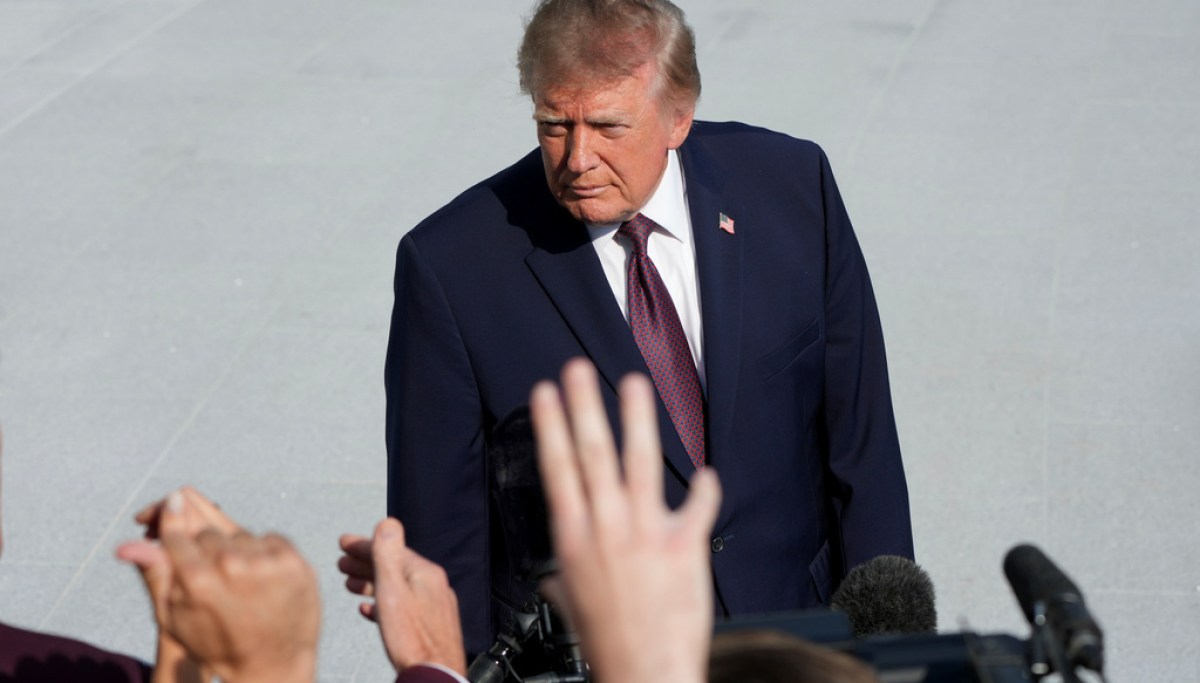
Trump Rallies in Alaska, Ohio to Bolster GOP Senate Candidates
The president rallied in Wasilla for Sen. Dan Sullivan and faced empty seats at an Ohio event amid midterm concerns. Outlets across the spectrum covered the trips as signals of GOP vulnerability weeks before Election Day.
The Compass
You just read five takes on one story.
What's your take? Find your political shape in a few minutes.
Take the test