
Suspect in Correspondents' Dinner Shooting Faces Federal Court

Cover image from npr.org, which was analyzed for this article
The suspect accused of opening fire at the White House Correspondents' Dinner, motivated by grievances against Trump including a manifesto, appeared in federal court. Trump delayed his exit to observe and later urged unity while decrying hate speech. Security failures are criticized despite claims they worked as intended.
PoliticalOS
Monday, April 27, 2026 — Politics
The shooting attempt at a high-profile Washington event shows that political violence remains a tangible risk even at heavily secured gatherings, yet layered defenses stopped the attacker short of the ballroom and prevented serious harm. Allen's profile—an educated tutor, Christian-fellowship participant and small Harris donor who nonetheless wrote of targeting Trump officials—illustrates how personal grievances can intersect with national polarization in unpredictable ways. The ongoing federal investigation, initial charges and Monday court appearance will determine whether additional counts are filed while officials and journalists continue to debate security gaps and the manifesto's full meaning.
What outlets missed
Multiple outlets underplayed or omitted the suspect's documented involvement in a Caltech Christian fellowship and positive descriptions from a local pastor and former professor, details that sit alongside the manifesto's Gospel references and complicate Trump's characterization that the suspect 'hates Christians.' The $25 donation to an ActBlue Harris fund and Allen's status as a no-party-preference voter appeared inconsistently, with right-leaning coverage often skipping them entirely while left-leaning pieces sometimes minimized the manifesto's explicit targeting of Trump officials except Kash Patel. Several reports failed to note that the Secret Service described the response as a success of layered perimeter defenses even as they acknowledged the interior breach, leaving readers without the tension between official self-assessment and external criticism. Uncorroborated claims that a single Trump AI-generated Jesus image 'provoked' the shooter, advanced by one journalist, were presented without noting that independent searches could not locate the cited Substack post.
An armed man came within one security perimeter of President Trump and other senior officials at the annual White House Correspondents' Association Dinner, forcing evacuations, rattling attendees and reviving national fears of political violence. The suspect, 31-year-old Cole Tomas Allen of Torrance, California, allegedly charged a checkpoint inside the Washington Hilton on April 25, 2026, fired a shotgun that struck a Secret Service agent in his tactical vest, and was tackled before reaching the ballroom. No one suffered serious injury; the agent was released from hospital the same day. Allen is scheduled to appear Monday in Washington federal court on charges of assault on a federal officer and using a firearm during a crime of violence, with Acting Attorney General Todd Blanche stating that attempted assassination and additional counts remain possible as the investigation continues.
Authorities recovered a handgun, shotgun and multiple knives from Allen, who traveled by train from California after booking a room at the hotel. Two law enforcement officials told The New York Times that writings attributed to him referred to himself as the "Friendly Federal Assassin," expressed outrage at Trump administration policies and listed administration officials as targets, with an exception for FBI Director Kash Patel. The writings also invoked Christian theology and passages from the Gospels. President Trump, who was ushered offstage after shots were heard, told Fox News the manifesto showed the suspect "hates Christians" and later called for national unity while criticizing hate speech. Blanche told NBC's Meet the Press that targets likely included Trump himself. Secret Service Director Sean Curran said the takedown demonstrated that "our multi-layered protection works," though the breach has drawn criticism over how Allen reached an interior checkpoint.
Allen graduated from Caltech with a mechanical engineering degree in 2017, later earned a master's in computer science, worked as a part-time tutor and received a "Teacher of the Month" award in December 2024. Acquaintances described him as quiet, studious and courteous. He attended a Pasadena church and was active in a Caltech Christian fellowship. Federal records show he made a $25 donation to a Kamala Harris-linked ActBlue fund in October 2024; California voter files list him as no-party-preference. His sister told authorities he had made radical statements and alluded to plans to "fix the world's problems," according to NPR. One student told NPR "you wouldn't expect [Allen] to be plotting some crazy, evil plan."
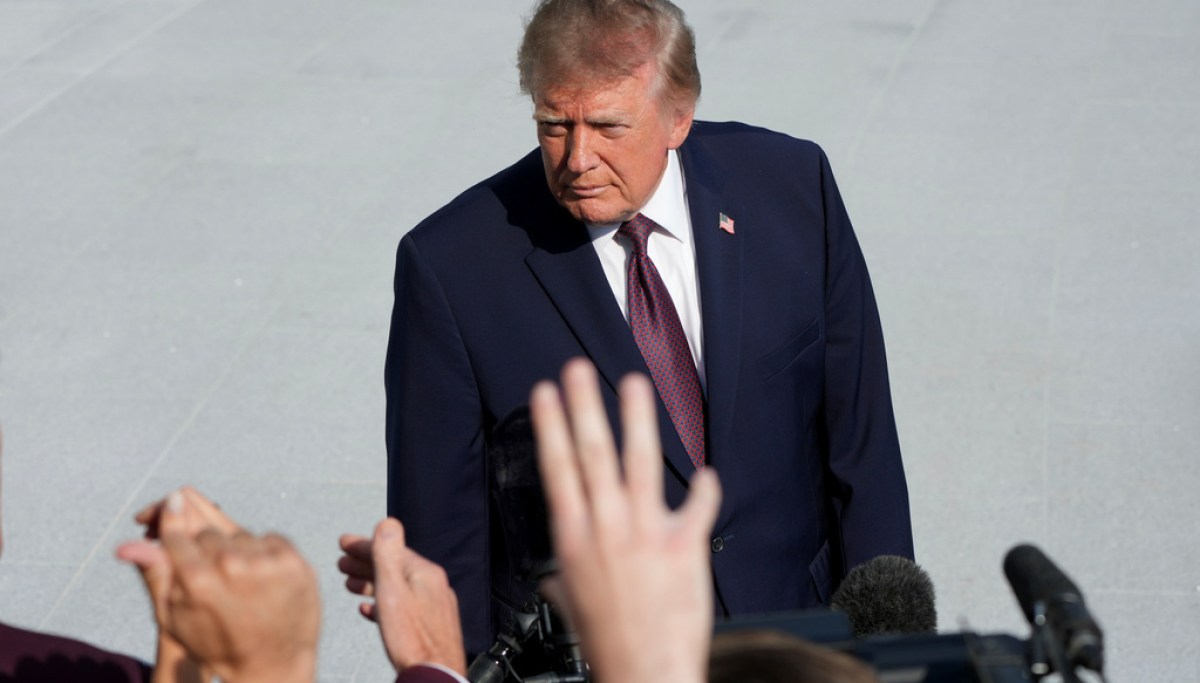
Trump delayed his departure to observe the response, later saying he had "been through this before, a couple times" and that Melania recognized the threat faster than he did. The White House Correspondents' Association called the episode "harrowing" and planned to reassess the event's future. Questions remain about how Allen passed initial hotel security, the full contents and authenticity of every document attributed to him, and whether any elements of his writings or online activity could have been detected earlier. The court proceeding is expected to focus on rights advisement and pretrial detention.
More in Politics

Federal Agents Search Omar Home in Ongoing Immigration Probe
Homeland Security agents searched the Minnesota Democrat's DC residence in a criminal probe, prompting accusations of political intimidation from Omar and Democratic leaders. Coverage spans left-leaning outlets like NPR, BBC, and The Guardian alongside right-leaning criticism from The Federalist and Daily Wire.

Trump Diesel Import Plan Draws Pushback Over Russia Ties
The weekend agreement drew bipartisan congressional pushback and criticism from Ukraine's Zelenskyy, with analysts downplaying US fuel price impacts. Right-leaning outlets like National Review, Dispatch, and Washington Examiner questioned its legality and effectiveness.

Independents Test Voter Appetite for Middle Ground in 2026 Midterms
Nearly 200 independents are running in competitive races as voters weigh ballot measures on housing costs in states like Massachusetts. Left-leaning coverage from NYT, NPR, and Guardian highlights turnout and key races while right outlets focus on GOP strategy.
Trump Rallies in Alaska, Ohio to Bolster GOP Senate Candidates
The president rallied in Wasilla for Sen. Dan Sullivan and faced empty seats at an Ohio event amid midterm concerns. Outlets across the spectrum covered the trips as signals of GOP vulnerability weeks before Election Day.
The Compass
You just read five takes on one story.
What's your take? Find your political shape in a few minutes.
Take the test