
World Cup 2026 Opens as US Hosts Paraguay in Los Angeles

Cover image from nypost.com, which was analyzed for this article
Tournament hosted by US, Mexico and Canada kicked off with US vs Paraguay match. Coverage includes excitement, visa issues and fan reactions.
PoliticalOS
Thursday, June 11, 2026 — Politics
The expanded World Cup opens with familiar U.S. expectations alongside documented access and pricing challenges. Success for the hosts will depend on both on-field results and whether organizers address the logistical friction already visible in the first matches.
What outlets missed
Most coverage centered on U.S. team quotes and historical framing while giving limited attention to documented visa denials affecting fans from Argentina and officials including the Palestinian Football Association head. Reports of dynamic pricing producing empty sections at multiple venues and the introduction of mandatory hydration breaks received only passing mention. The three red cards shown in Mexico’s opener, a tournament record for an opening match, were noted but not placed in the context of officiating trends across the expanded schedule.
World Cup 2026 Opens With Record Scale and Routine Security Scrutiny
The 2026 FIFA World Cup begins this week across 16 cities in the United States, Mexico, and Canada, featuring a record 48 teams and 104 matches over 39 days. Organizers project global viewership near six billion, with the final alone drawing over one billion. Revenue is expected to reach 11 billion dollars, driven largely by broadcasting rights and sponsorships.
Ticket sales have lagged behind projections in several markets. High prices appear to be the main factor, with many blocks remaining unsold even as the event nears. Hotel bookings in host cities have also fallen short of earlier forecasts, according to industry reports. These outcomes reflect standard supply and demand pressures rather than broader failures in planning.
Logistical demands stand out as the tournament's most immediate test. Matches span multiple time zones and countries, requiring coordinated transport, security, and venue operations. Mexico hosts the opener between the home side and South Africa on Thursday in Mexico City. The United States will stage the majority of games, including the final at MetLife Stadium on July 19.
Fan events have been organized in major markets to accommodate local interest. In the New York area, watch parties at the USTA Billie Jean King National Tennis Center and a fan hub at Sports Illustrated Stadium will broadcast select matches along with live entertainment. Similar setups are planned in other host cities to draw crowds without relying solely on stadium attendance.
Immigration enforcement has drawn attention in the days leading up to the opener. A Somali referee was denied entry at Miami airport over vetting concerns, and an Iraqi striker faced extended questioning at Chicago's O'Hare before one accompanying traveler was turned away. Officials cited standard security protocols in both cases. Such reviews occur regularly for international arrivals and do not represent new barriers created specifically for the tournament.
Critics have framed these incidents as evidence of an exclusionary climate. Data from hotel operators shows reduced international bookings tied partly to perceptions of visa delays, yet domestic demand and the expanded format have kept overall projections intact. Attendance figures will ultimately test whether these concerns translate into measurable shortfalls.
Player narratives provide continuity with past tournaments. Lionel Messi is set to appear in a record sixth World Cup for Argentina. Spain enters as a favorite, with France, England, Portugal, and Brazil also viewed as strong contenders. The United States sits outside the top 10 in most betting assessments.
The expanded field and multi-nation hosting introduce variables not present in prior events. Revenue targets depend on sustained viewer interest and corporate support, while local economies in host cities weigh the balance between temporary spending and longer-term infrastructure costs. Early indicators point to a tournament defined more by its size and execution challenges than by any single political overlay.
You just read Conservative's take. Want to read what actually happened?
More in Politics
Polls Show Democratic Edges in Pennsylvania House Races Amid Kansas Senate Strain
Early voting began in key states with Democrats showing edges in House races and Trump barnstorming to defy headwinds as forecasters highlight competitive battlegrounds.

Trump Defends Ramaswamy Ad Using Estranged Mother in Ohio Race
President Trump defended a GOP nominee's ad featuring a Democratic opponent's estranged mother, calling it powerful, while drawing criticism from some Republicans including Ohio Gov. Mike DeWine. The ad has sparked internal GOP tensions ahead of midterms.
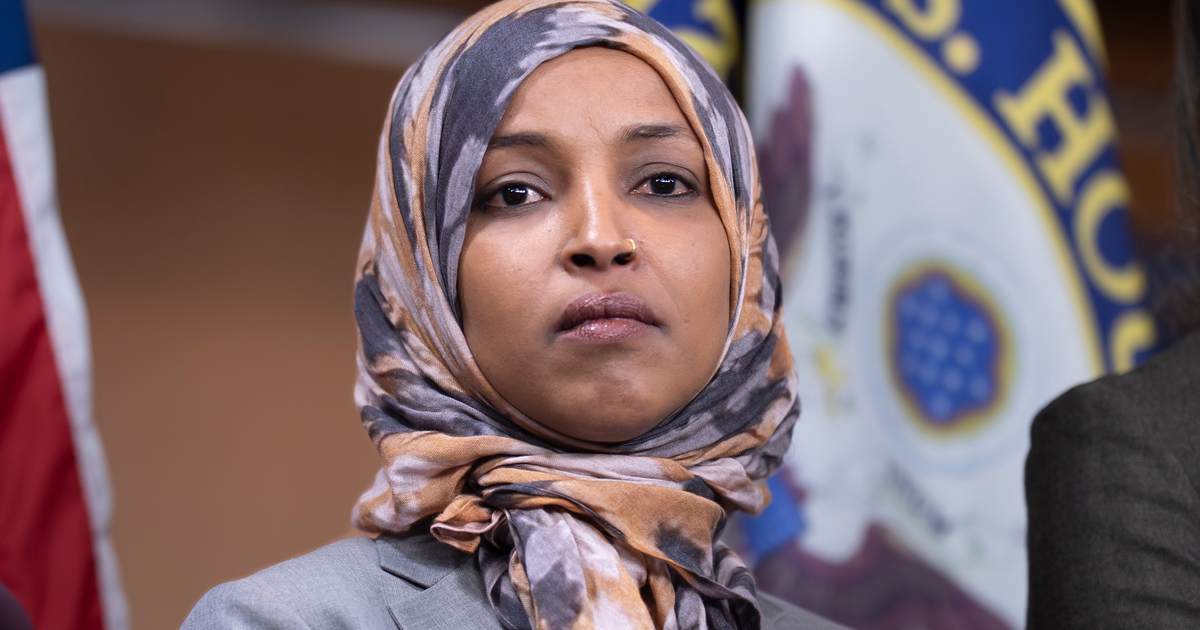
Federal Raid Targets Omar Amid Unresolved Name and Marriage Allegations
Agents searched Rep. Ilhan Omar's DC residence over immigration fraud allegations; she called it bizarre. Reports and commentary questioned her birth name and past marriage details.

Supreme Court Upholds New Hampshire Student ID Voting Ban
The Supreme Court upheld New Hampshire's ban on student IDs as valid voter identification just before midterms, affecting a tight Senate race.
The Compass
You just read five takes on one story.
What's your take? Find your political shape in a few minutes.
Take the test