
World Cup 2026 Opens as US Hosts Paraguay in Los Angeles

Cover image from nypost.com, which was analyzed for this article
Tournament hosted by US, Mexico and Canada kicked off with US vs Paraguay match. Coverage includes excitement, visa issues and fan reactions.
PoliticalOS
Thursday, June 11, 2026 — Politics
The expanded World Cup opens with familiar U.S. expectations alongside documented access and pricing challenges. Success for the hosts will depend on both on-field results and whether organizers address the logistical friction already visible in the first matches.
What outlets missed
Most coverage centered on U.S. team quotes and historical framing while giving limited attention to documented visa denials affecting fans from Argentina and officials including the Palestinian Football Association head. Reports of dynamic pricing producing empty sections at multiple venues and the introduction of mandatory hydration breaks received only passing mention. The three red cards shown in Mexico’s opener, a tournament record for an opening match, were noted but not placed in the context of officiating trends across the expanded schedule.
Immigration Policies Cast Shadow Over World Cup Hosting Ambitions
The 2026 World Cup opens Thursday across 16 cities in the United States, Mexico and Canada, with expectations of record scale that include an estimated five million visitors, six billion global viewers and eleven billion dollars in revenue for FIFA. Yet the tournament has already encountered friction tied directly to U.S. immigration enforcement, which has produced documented cases of denied entry and extended questioning for participants from several countries.
Referee Omar Artan of Somalia was turned away at Miami International Airport over unspecified vetting concerns. Striker Aymen Hussein of Iraq and a team photographer faced hours of additional inspection at Chicago O’Hare before one was admitted and the other denied. Reports indicate similar difficulties for supporters from Côte d’Ivoire and for officials associated with Iran. The American Hotel and Lodging Association has noted that roughly eighty percent of hotel operators in host markets are seeing bookings fall short of forecasts, attributing part of the shortfall to perceptions that visas will face delays or extra scrutiny.
These episodes arrive as the Trump administration has framed the event as an opportunity to project American strength on the eve of the nation’s 250th anniversary. Administration statements emphasize national sovereignty and security vetting, yet the practical result has been selective barriers that affect precisely the international movement the tournament requires. FIFA’s own projections anticipated broad participation; instead, ticket sales remain below target and some group-stage hotel blocks have been released.
The expanded format of forty-eight teams and one hundred four matches spreads logistical demands across three countries, but the majority of games, including the final at MetLife Stadium, occur on U.S. soil. Host cities have prepared fan festivals and watch parties, including sites at the USTA Billie Jean King National Tennis Center and Rockefeller Center. Those venues will broadcast matches and host performances, yet organizers must now contend with uneven international attendance that could mute the very atmosphere the events are meant to create.
Broader environmental and cost concerns have also surfaced. The tournament is projected to be the hottest on record and among the most emissions-intensive, while ticket prices have drawn criticism for limiting access even for domestic audiences. These factors compound the narrower problem of entry restrictions: a global sporting event organized under rules that, in practice, prioritize exclusion over facilitation.
Spain enters as the betting favorite, with France, England, Portugal, Brazil and defending champion Argentina close behind. Lionel Messi, appearing in a potential sixth World Cup, has described the group’s preparation as routine amid mounting external variables. Those variables now include the operational consequences of immigration policy choices made well before the first kickoff. How those choices interact with the month-long schedule will determine whether the record revenues and viewership materialize or whether the tournament registers instead as an early stress test of competing national priorities.
You just read Liberal's take. Want to read what actually happened?
More in Politics
Polls Show Democratic Edges in Pennsylvania House Races Amid Kansas Senate Strain
Early voting began in key states with Democrats showing edges in House races and Trump barnstorming to defy headwinds as forecasters highlight competitive battlegrounds.

Trump Defends Ramaswamy Ad Using Estranged Mother in Ohio Race
President Trump defended a GOP nominee's ad featuring a Democratic opponent's estranged mother, calling it powerful, while drawing criticism from some Republicans including Ohio Gov. Mike DeWine. The ad has sparked internal GOP tensions ahead of midterms.
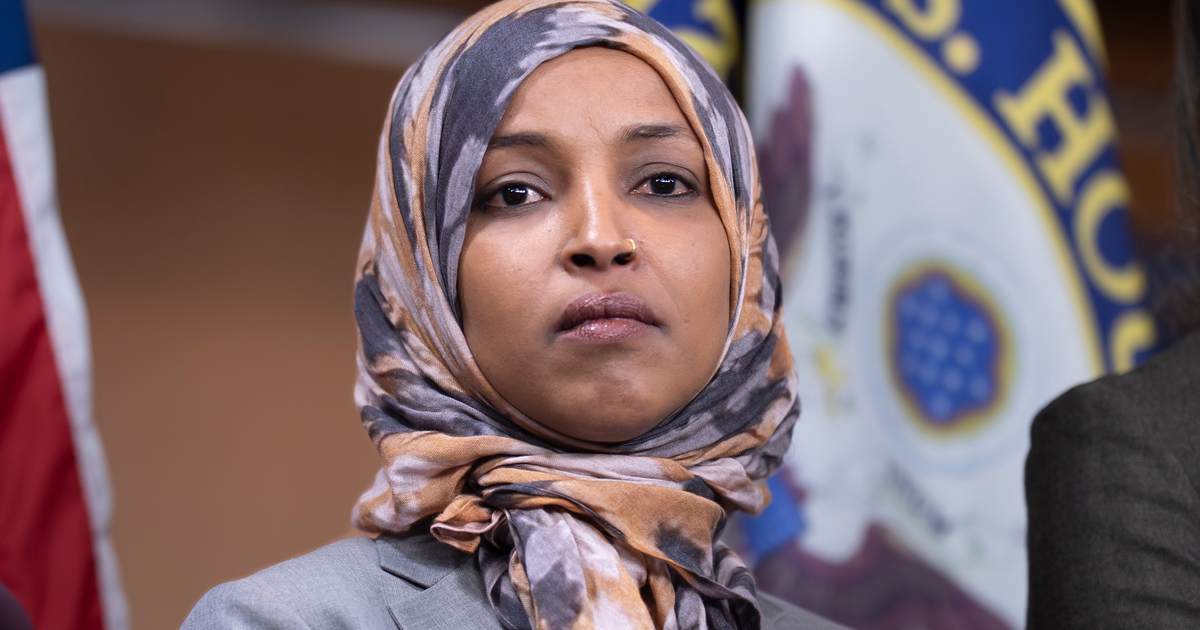
Federal Raid Targets Omar Amid Unresolved Name and Marriage Allegations
Agents searched Rep. Ilhan Omar's DC residence over immigration fraud allegations; she called it bizarre. Reports and commentary questioned her birth name and past marriage details.

Supreme Court Upholds New Hampshire Student ID Voting Ban
The Supreme Court upheld New Hampshire's ban on student IDs as valid voter identification just before midterms, affecting a tight Senate race.
The Compass
You just read five takes on one story.
What's your take? Find your political shape in a few minutes.
Take the test