
World Cup 2026 Opens as US Hosts Paraguay in Los Angeles

Cover image from nypost.com, which was analyzed for this article
Tournament hosted by US, Mexico and Canada kicked off with US vs Paraguay match. Coverage includes excitement, visa issues and fan reactions.
PoliticalOS
Thursday, June 11, 2026 — Politics
The expanded World Cup opens with familiar U.S. expectations alongside documented access and pricing challenges. Success for the hosts will depend on both on-field results and whether organizers address the logistical friction already visible in the first matches.
What outlets missed
Most coverage centered on U.S. team quotes and historical framing while giving limited attention to documented visa denials affecting fans from Argentina and officials including the Palestinian Football Association head. Reports of dynamic pricing producing empty sections at multiple venues and the introduction of mandatory hydration breaks received only passing mention. The three red cards shown in Mexico’s opener, a tournament record for an opening match, were noted but not placed in the context of officiating trends across the expanded schedule.
Trump's Immigration Crackdowns Cast Shadow Over World Cup Spectacle
The 2026 World Cup opens under a cloud of exclusion that clashes sharply with the event's stated ideals of global unity. With 48 teams competing across 16 cities in the United States, Mexico and Canada, organizers project record viewership and revenue exceeding $11 billion. Yet early signs point to a tournament defined less by athletic drama than by the Trump administration's restrictive border policies that have already blocked fans, referees and players from entering the country.
Reports detail multiple incidents in the days before the first match. Somali referee Omar Artan was denied entry at Miami International Airport over unspecified vetting concerns, despite his official role. Iraqi striker Aymen Hussein faced hours of detention and questioning at Chicago's O'Hare Airport, while a team photographer traveling with the squad was turned away entirely. Côte d'Ivoire supporters encountered blanket visa barriers that prevented them from reaching matches. Similar obstacles have surfaced for travelers from Iran and other nations singled out in prior administration travel restrictions.
These episodes arrive after months of warnings from human rights organizations about the risks of staging the tournament's majority of games in the United States. The administration's approach has produced measurable effects on attendance. Hotel operators in host cities report bookings running nearly 80 percent below forecasts, according to the American Hotel & Lodging Association, with some blocks canceled outright. Ticket sales have lagged as well, hampered by high prices and international reluctance to navigate tightened entry rules.
President Trump has framed the event as a showcase for American strength ahead of the country's 250th anniversary. In practice, the policies on display emphasize enforcement over hospitality. Critics note the disconnect between promises of an open sporting celebration and actions that treat visitors from certain countries as presumptive security threats. The result has fueled calls from some fans for boycotts, though major federations have so far declined to withdraw.
Logistical strain compounds the political friction. The expanded 104-match schedule stretches across extreme summer heat in multiple venues, raising emissions and health concerns that organizers have downplayed. Meanwhile, domestic fan festivals in New York and New Jersey proceed with live broadcasts and performances, offering a sanitized version of the tournament that sidesteps the entry barriers facing international supporters.
The contrast is starkest for teams and officials from the Global South, who have long navigated uneven scrutiny at U.S. ports of entry. What was billed as a record-breaking, inclusive spectacle now risks being remembered primarily for the barriers erected before a ball was kicked.
You just read Progressive's take. Want to read what actually happened?
More in Politics
Polls Show Democratic Edges in Pennsylvania House Races Amid Kansas Senate Strain
Early voting began in key states with Democrats showing edges in House races and Trump barnstorming to defy headwinds as forecasters highlight competitive battlegrounds.

Trump Defends Ramaswamy Ad Using Estranged Mother in Ohio Race
President Trump defended a GOP nominee's ad featuring a Democratic opponent's estranged mother, calling it powerful, while drawing criticism from some Republicans including Ohio Gov. Mike DeWine. The ad has sparked internal GOP tensions ahead of midterms.
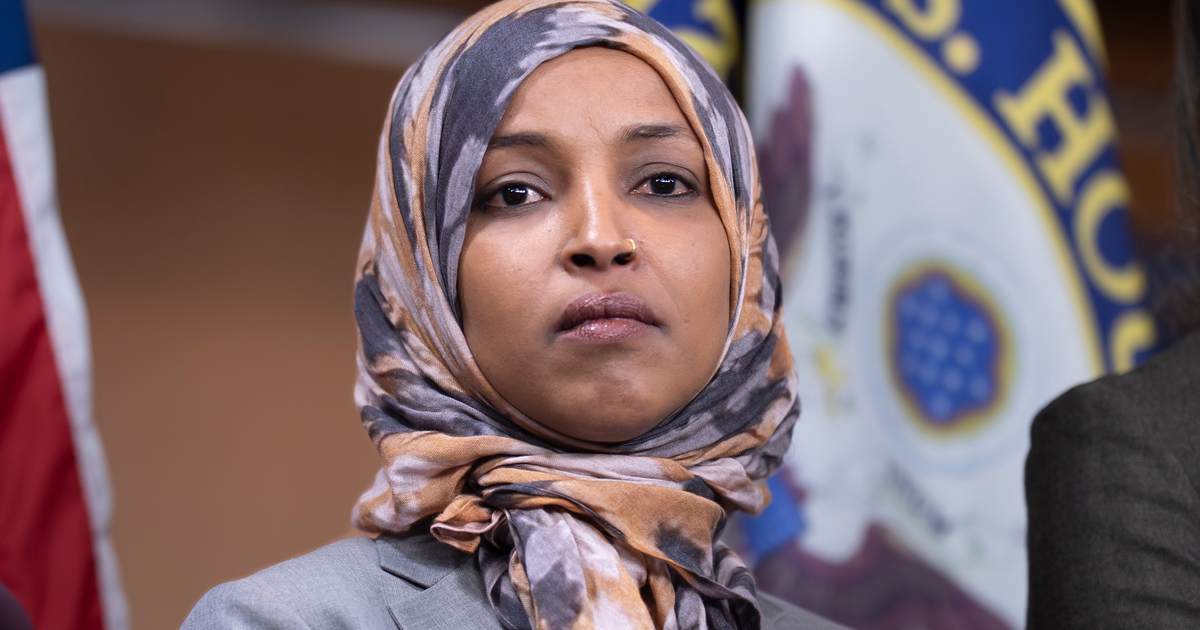
Federal Raid Targets Omar Amid Unresolved Name and Marriage Allegations
Agents searched Rep. Ilhan Omar's DC residence over immigration fraud allegations; she called it bizarre. Reports and commentary questioned her birth name and past marriage details.

Supreme Court Upholds New Hampshire Student ID Voting Ban
The Supreme Court upheld New Hampshire's ban on student IDs as valid voter identification just before midterms, affecting a tight Senate race.
The Compass
You just read five takes on one story.
What's your take? Find your political shape in a few minutes.
Take the test